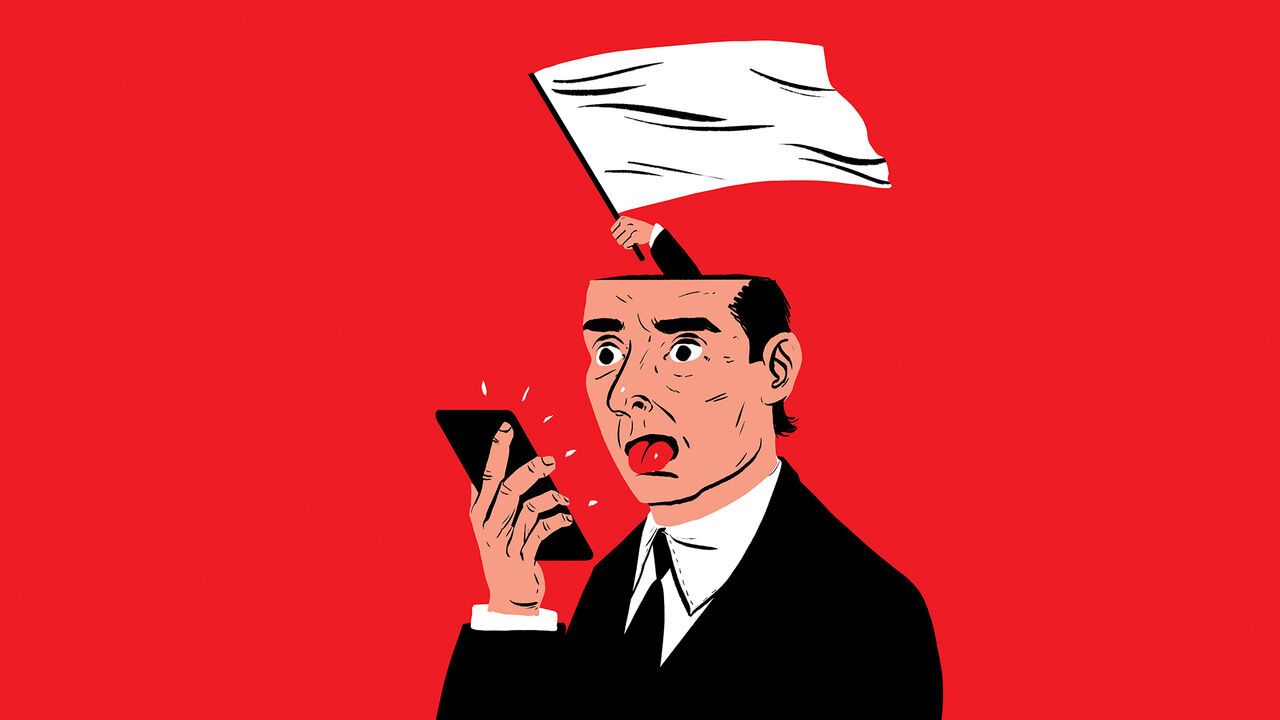
Calculators didn’t make everyone innumerate(不会算术的). GPS navigation systems made driving easier. In any conversation about the cognitive effects of artificial intelligence, these two earlier technologies are reasonably likely(很可能) to come up(被提及). Each is a useful entry-point(切入点) into two big questions. How might AI change the way people think, and should managers do anything in response?
计算器并没有让所有人都变成数学盲。GPS导航系统让开车变得更简单。在任何关于人工智能对认知影响的讨论中,这两种早期技术都很可能被提及。每一个都是进入两个重大问题的重要切入点:AI可能会如何改变人们的思维方式,管理者是否应该采取应对措施?
Using calculators and GPS devices are examples of “cognitive offloading(认知卸载)”—a deliberate decision to delegate a specific task to technology. In both cases, it has been worth it. Calculators improve students’ mathematical performance, helping to build problem-solving skills and self-confidence. GPS means drivers no longer have to pull over(靠边停车) and faff about with maps. It’s harder to get completely lost; it’s easier to avoid terrible traffic.
使用计算器和GPS设备是“认知卸载”的例子——一种有意将特定任务委托给技术的决定。在这两种情况下,这是值得的。计算器提高了学生的数学表现,帮助培养解决问题的能力和自信心。GPS意味着司机不再需要停车手忙脚乱地翻地图。更难完全迷路,更容易避免糟糕的交通。
But there are costs, too. In a 2019 paper, Mark LaCour of the University of Louisiana at Lafayette and his co-authors deliberately programmed calculators to give a group of undergraduates the wrong answers to certain problems. In general they found that there was very little suspicion of slightly inaccurate calculations. Even when answers were patently absurd(明显荒谬的), some people seemed to accept them without question(毫无质疑地).
但也有代价。在2019年的一篇论文中,路易斯安那大学拉斐特分校的马克·拉库尔及其合著者故意编程让计算器给一组本科生某些问题的错误答案。他们发现,总体而言,学生对轻微不准确的计算几乎没有怀疑。即使答案明显荒谬,有些人似乎也毫不质疑地接受。