Letters are welcome via email to letters@economist.comFind out more about how we process your letter
欢迎通过电子邮件发送至letters@economist.com。了解更多关于我们如何处理您的来信的信息。
A pivotal moment for AI
人工智能的关键时刻
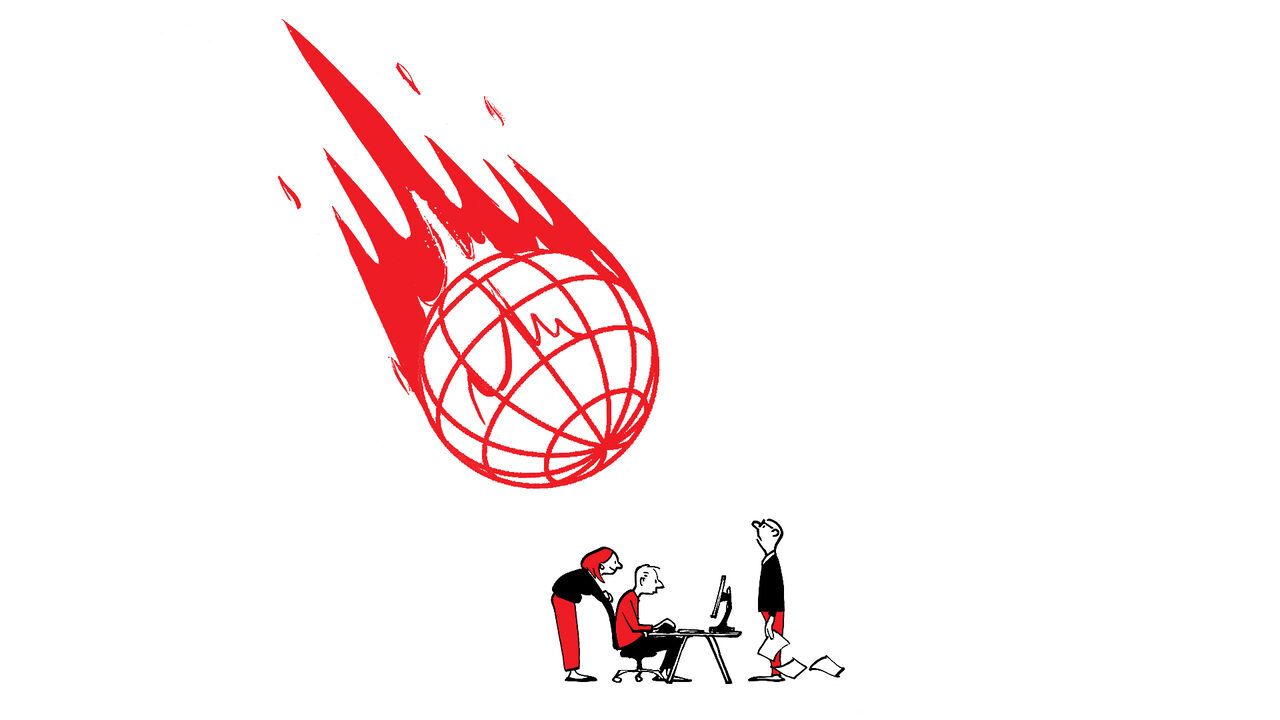
Your leader on “The Mythos moment” (April 18th) marking the release of Anthropic’s latest model did a good job of covering the current state of AI policy. Rapid advances in AI and the associated risks are challenging policymakers to develop regulations quickly and the need for international co-ordination is becoming clearer. However, the stakes, and the urgency, are even higher. Most experts believe AI poses a 5-10% chance of causing human extinction or some other catastrophe. Euphemisms like “AI-induced chaos” sugar-coat the very real possibility, acknowledged by experts and AI firms themselves, that humans will lose control of AI entirely.
您关于《神话时刻》(4月18日)的社论,评述Anthropic最新模型的发布,很好地涵盖了AI政策的现状。AI的快速进步和相关风险正挑战政策制定者迅速制定法规,国际协调的必要性日益明显。然而,风险和紧迫性甚至更高。大多数专家认为AI有5-10%的概率导致人类灭绝或其他灾难。诸如“AI引发的混乱”之类的委婉说法,粉饰了专家和AI公司本身都承认的非常真实的可能性:人类将完全失去对AI的控制。
The Economist has acknowledged the risk of extinction, so why not mention it in your leader? Meanwhile, Anthropic recently dropped its safety pledge to not release systems it believes could cause catastrophic harm. Anthropic is also in the process of handing off(移交,转交) not just coding, but AI R&D to systems like Mythos, hoping to spur a “recursive self-improvement” loop and develop superintelligent AI.
《经济学人》已经承认了灭绝风险,那为什么不在社论中提及呢?与此同时,Anthropic最近放弃了其安全承诺,即不发布它认为可能导致灾难性危害的系统。Anthropic还在将不仅是编码,还有AI研发工作交给像Mythos这样的系统,希望刺激一个“递归自我改进”的循环,并开发出超级智能AI。
In defence of Malthus
为马尔萨斯辩护

Goodwill lacking
善意缺失
Kitchen confidential
厨房秘辛