The blockade of the Strait of Hormuz(① 地理位置:霍尔木兹海峡是波斯湾通往印...) is forcing Asia’s energy importers to scour(仔细搜索,搜寻) new markets. Thailand wants to buy more oil from Nigeria and Kazakhstan; Vietnam is now sourcing from Angola and Argentina. But even as countries cast their nets wider(扩大搜索范围,撒网更广) for crude, they are also reaching for a resource closer to home: farms.
霍尔木兹海峡的封锁正迫使亚洲能源进口国搜索新的市场。泰国希望从尼日利亚和哈萨克斯坦购买更多石油;越南现在从安哥拉和阿根廷采购。但就在各国为原油撒网更广的同时,它们也在伸手获取一种离家更近的资源:农田。
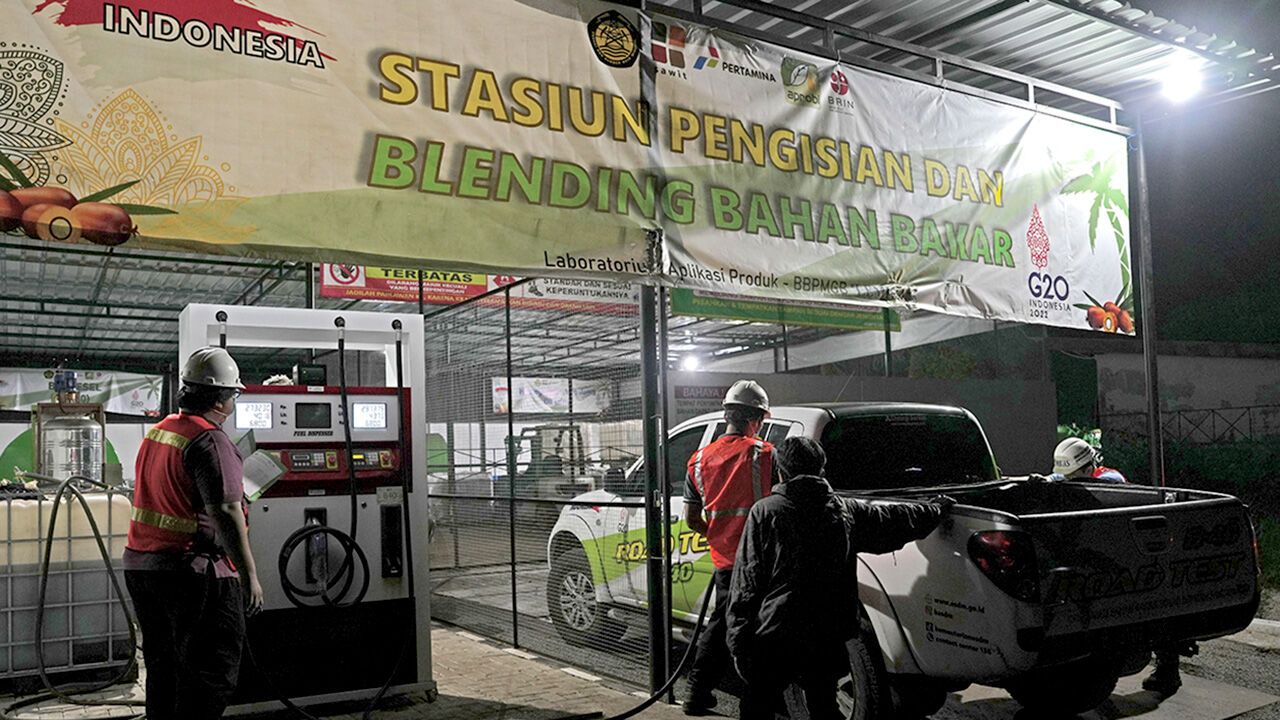
Across Asia, governments are announcing or accelerating plans to expand the use of biofuels. Indonesia, for example, wants to roll out(推出,实施) B50—a 50% palm-oil blend(混合物) of diesel—by July 1st. Vietnam has begun selling E10, a blend of ethanol (10%) and petrol, ahead of a mandated(强制规定的,授权的) switch on June 1st. Last week India, which has already rolled out E20, began the process to step up to even stronger blends.
在整个亚洲,政府正在宣布或加速扩大生物燃料使用的计划。例如,印度尼西亚希望在7月1日前推出B50——一种含50%棕榈油的柴油混合物。越南已开始销售E10(一种含10%乙醇和汽油的混合物),先于6月1日的强制转换。上周,已经推出E20的印度开始了进一步提升至更强混合物的进程。
The push is driven by energy security. In Indonesia the move to(转向,采取行动) B50 is expected to save the country around 48trn rupiah ($2.8bn) in subsidies(补贴) and slash(大幅削减) consumption of diesel by some 4bn litres a year, which the energy minister hopes will mean the end of diesel imports. In India the introduction of E20 in 2014 and the resulting reduction in oil imports has already saved around 1.4trn rupees ($16bn) in foreign exchange.
这一推动力源于能源安全。在印度尼西亚,转向B50预计将为该国节省约48万亿印尼盾(28亿美元)的补贴,并将柴油消耗量每年削减约40亿升,能源部长希望这将意味着柴油进口的终结。在印度,2014年引入E20以及由此带来的石油进口减少,已节省了约1.4万亿卢比(160亿美元)的外汇。