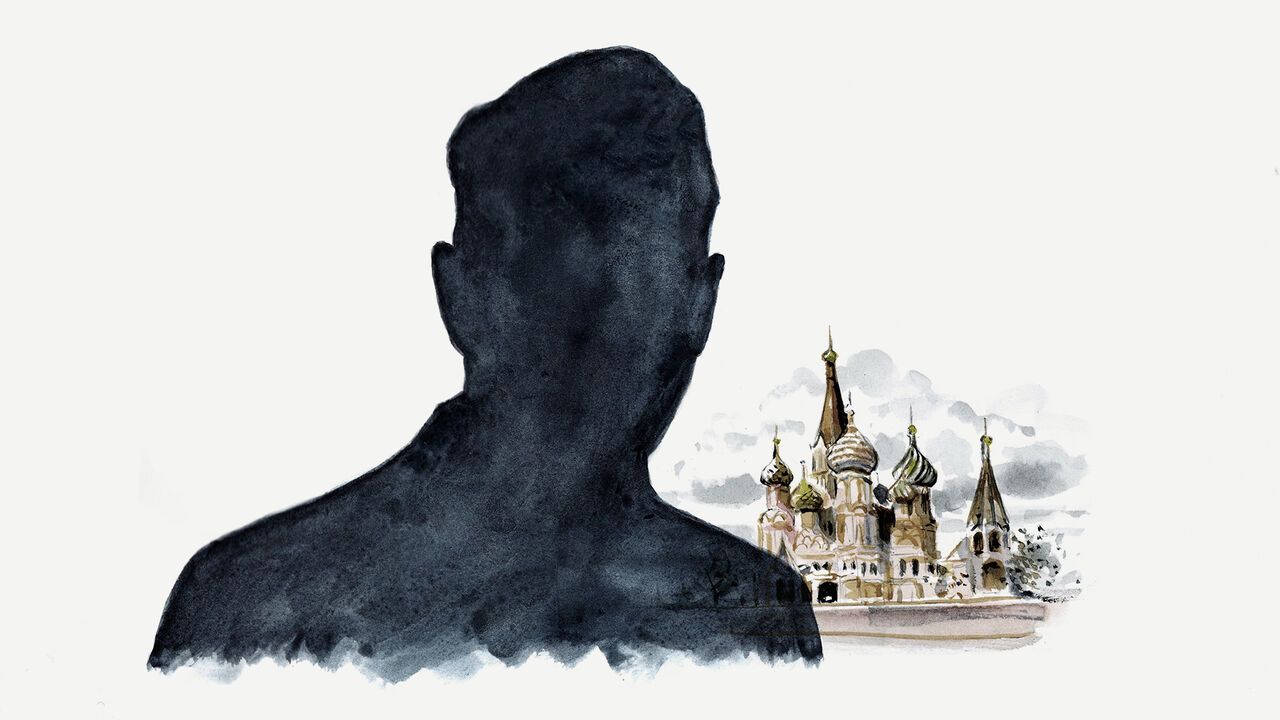
IT ARRIVED NOT as an event but as a sensation, felt everywhere at once: Vladimir Putin has led Russia into a dead-end(死胡同,绝境) and nobody has a map for(有……的计划/方向) what comes next. The first manifestation(表现,显现) is a shift in the language used by senior officials, regional governors and businessmen: they have stopped using the first-person plural(第一人称复数(“我们”)) when talking about the actions of authorities in the country.
它不是作为一个事件,而是作为一种感觉到来,同时无处不在:弗拉基米尔·普京将俄罗斯带入了死胡同,没有人知道接下来该怎么办。第一个表现是高级官员、地方州长和商界人士所用语言的转变:他们在谈论当局行为时已停止使用第一人称复数。
As recently as last spring, everything was “we” and “ours”. Mr Putin’s war on Ukraine may be reckless(鲁莽的,不计后果的) and failing, but it was shared(共同的,被分担的). “We” were inside it(“我们”身在其中), and it would be better for all of “us” if it ended sooner. Now they describe what is happening as “his” story, not “ours”. Not our project, not our agenda, not our war.
就在去年春天,一切都还是“我们”和“我们的”。普京对乌克兰的战争或许是鲁莽且正在失败的,但这是共同的。“我们”身在其中,如果战争早日结束,对“我们”所有人都有好处。现在,他们将正在发生的事情描述为“他的”故事,而不是“我们的”。不是我们的计划,不是我们的议程,不是我们的战争。
His decisions are described as “strange”. Even stranger is the fact that he decides anything at all. It is not only about falling approval ratings. The future is no longer discussed in terms of(在……方面,从……角度) what Mr Putin will decide, but as something that will unfold(展开,展现) independently of him—and possibly already without him.
他的决策被描述为“奇怪”。更奇怪的是,他居然还能做出任何决定。这不仅仅是支持率下降的问题。未来不再被讨论为普京将决定什么,而是作为某种将独立于他展开的东西——甚至可能已经与他无关了。
Running out of moves
无棋可走