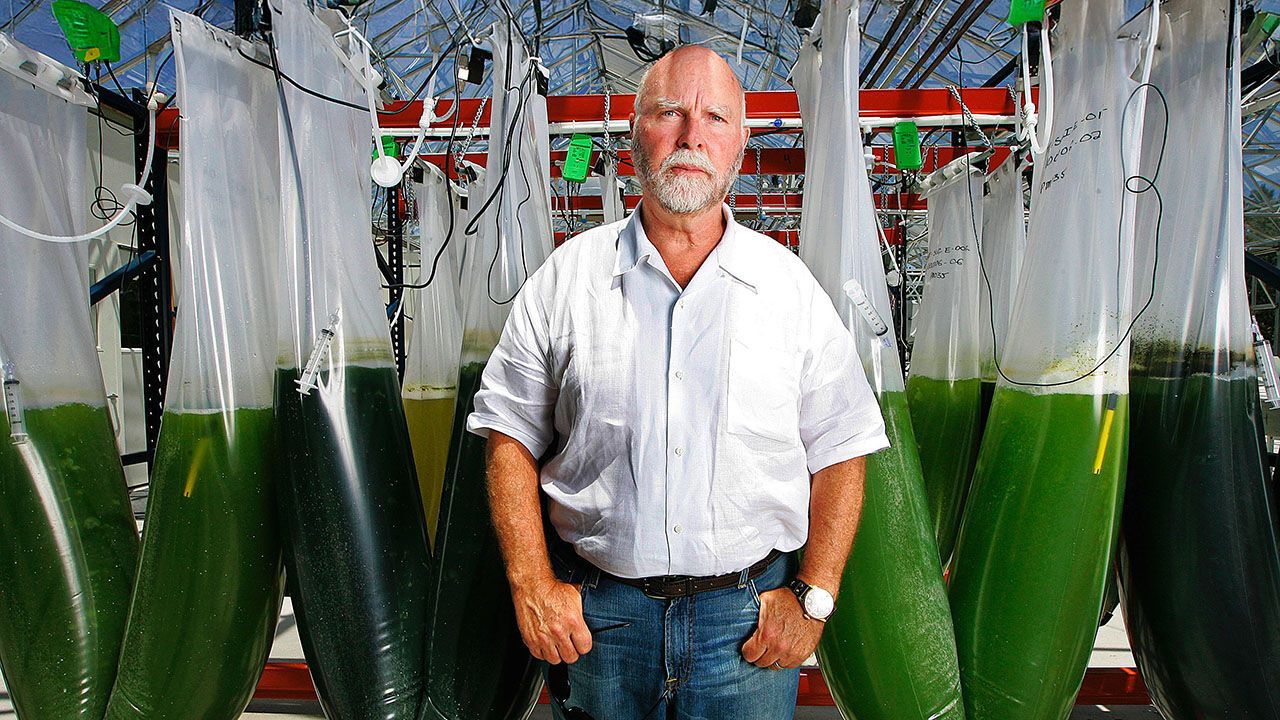
“I have never seen Francis Crick in a modest(谦虚的,谦逊的) mood.” Thus James Watson described his collaborator in the unravelling of DNA’s structure in the opening words of his book on that quest, “The Double Helix”. Substitute “Craig Venter” into this sentence and you have the measure of a man who, though not Crick’s equal as a scientist, was in his own opinion only a rung or two below him on the ladder of scientific merit.(将“克雷格·文特尔”代入这句话,你便能衡量出这样一个人:虽然作为科学家他不及克里克,但在自己看来,他在科学成就的阶梯上仅比克里克低一两个台阶。) But he was also one who felt that his worth was never fully recognised, because he was never quite a member of the club.
“我从未见过弗朗西斯·克里克谦虚的样子。”詹姆斯·沃森在其著作《双螺旋》的开篇如此描述他的合作者——那位共同揭示DNA结构的科学家。将“克雷格·文特尔”代入这句话,你便能衡量出这样一个人:虽然作为科学家他不及克里克,但在自己看来,他在科学成就的阶梯上仅比克里克低一两个台阶。然而,他也总感到自己的价值从未得到充分认可,因为他从来都不是那个圈子的真正一员。
That, perhaps, is what you get for growing up on the wrong side of the tracks(出身贫寒,社会底层) (or, in his case, of the runways at San Francisco airport). Not for him the glittering(辉煌的,耀眼的) starts of a PhD at Cambridge or Yale enjoyed by his rivals, John Sulston and Francis Collins, who headed the British and American arms of the “official” Human Genome Project. A beach-bum slacker at high school, he was drafted into the navy as a hospital corpsman during the Vietnam war. Only after a Damascene insight(大马士革般的顿悟) while attempting to drown himself off the coast of Da Nang to escape that conflict’s horrors, did he realise his vocation: if you want immortality, do something meaningful with your life. Illegitimi non carborundum(不要让杂种把你打倒).
或许,这就是成长在轨道错误一侧(就他而言,是旧金山机场跑道旁)的代价。他的竞争对手约翰·萨尔斯顿和弗朗西斯·柯林斯——分别领导“官方”人类基因组计划的英国和美国分支——拥有剑桥或耶鲁的耀眼博士起点,而他则望尘莫及。高中时他是个海滩浪子,越战期间应征入伍,当了海军医护兵。直到在岘港外海试图淹死自己以逃避战争的恐怖时,他才经历了一次大马士革般的顿悟:若想不朽,就去做有意义的事。不要让杂种把你打倒。
The bastards tried. A belated(迟来的,延误的) degree and PhD got him into the National Institutes of Health (NIH) as a researcher at the outer fringes(外围,边缘位置) of the genome project, which had started, under Watson’s watchful eye, in 1990. The next year he published a neat idea for speeding the project up by tagging where genes sat on chromosomes—so neat that the NIH wanted to patent the results until, after a public storm during which Watson excoriated both Dr Venter’s technology and the whole idea of patenting human genes, they didn’t.(第二年,他发表了一个巧妙的想法:通过标记基因在染色体上的位置来加速项目进展。这个想法如此巧妙,以至于NIH想要为结果申请专利,但在一场公众风暴之后——期间沃森痛斥了文特尔的技术以及整个对人类基因申请专利的想法——他们放弃了。)
那些杂种确实尝试过。凭借着迟来的学士和博士学位,他进入了美国国立卫生研究院(NIH),在基因组计划的外围当一名研究员——该计划于1990年在沃森的密切关注下启动。第二年,他发表了一个巧妙的想法:通过标记基因在染色体上的位置来加速项目进展。这个想法如此巧妙,以至于NIH想要为结果申请专利,但在一场公众风暴之后——期间沃森痛斥了文特尔的技术以及整个对人类基因申请专利的想法——他们放弃了。