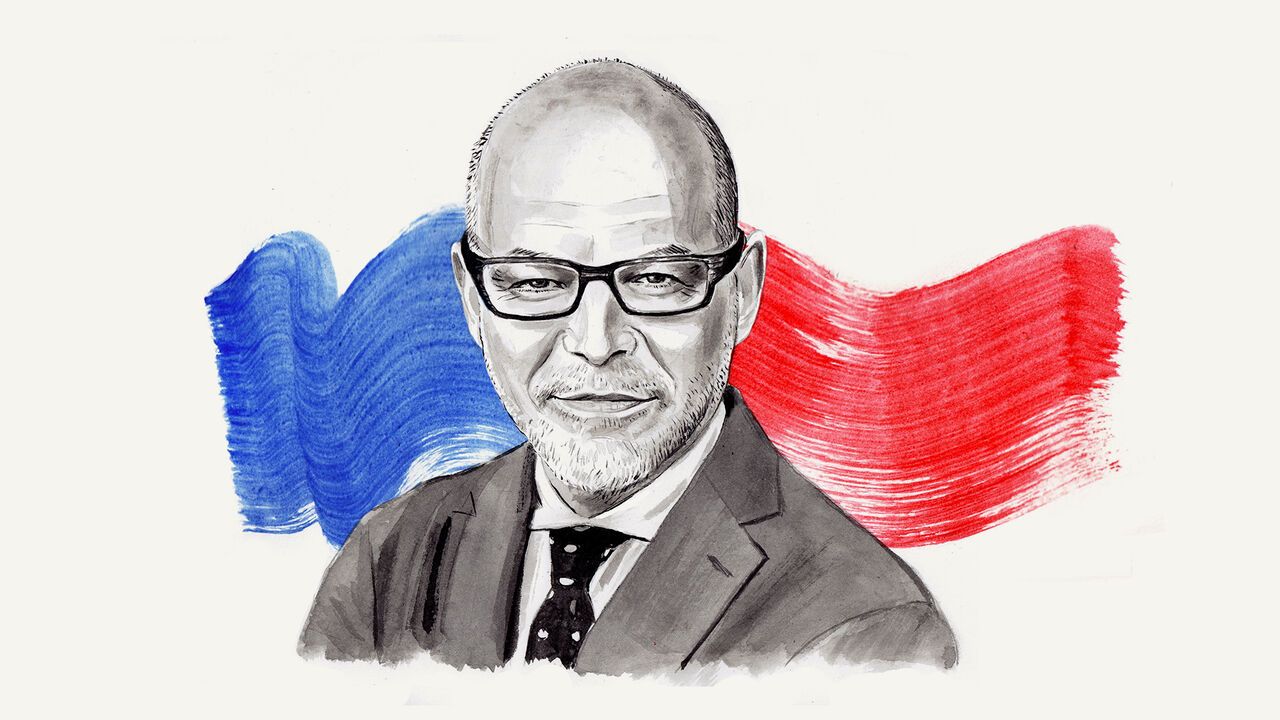
IN HIS SPRAWLING, captivating 1972 masterpiece, “The Best and the Brightest( // 注意: 这里detail字段应...)”, the journalist David Halberstam asked the central question about America’s war in Vietnam: “What was it about the men, their attitudes, the country, its institutions and above all the era which had allowed this tragedy to take place?” They were “the best and the brightest”, after all. Why did it happen?
在他1972年那部宏大而迷人的杰作《最优秀与最聪明的人》中,记者戴维·哈尔伯斯坦提出了关于美国越战的核心问题:“这些人、他们的态度、这个国家、其制度,以及最重要的那个时代,究竟有什么特点,让这场悲剧得以发生?”他们毕竟是“最优秀与最聪明的人”。为什么还会发生?
Halberstam’s answer, repeated by countless authors since, contained two parts: hubris(傲慢,狂妄自大) and ignorance. American planners, presiding over the greatest military and economic power in the history of the world, believed that with the resources at their disposal, as well as their intellectual prowess and deep experience, they could wage and win the conflict. They were “swept forward(被推着向前,被裹挟)” by faith in their own and their country’s invincibility. But they lacked a sense of history, as well as an understanding of their adversary and the obstacles that stood in the way of victory.
哈尔伯斯坦的答案——后来被无数作者重复——包含两部分:狂妄与无知。美国规划者掌控着世界历史上最强大的军事和经济力量,相信凭借他们可支配的资源、他们的才智和丰富经验,他们能够发动并赢得这场冲突。他们被对自己和国家无敌信念“推着向前”。但他们缺乏历史感,也缺乏对对手和胜利道路上障碍的理解。
Robert McNamara, who as secretary of defence was one of the architects of the war, later offered substantial endorsement of Halberstam’s thesis. Writing in his 1995 memoir, “In Retrospect”, he lamented that he and other leaders were ignorant of Vietnamese history and of Ho Chi Minh’s nationalist motivations. They saw a monolithic(铁板一块的,单一的) communist threat where none existed, and in their arrogance failed to fully examine the stakes of the struggle and whether success was truly achievable at a reasonable cost. “If only we had known” became a kind of mantra for the latter-day McNamara.
罗伯特·麦克纳马拉,作为国防部长是战争的设计者之一,后来对哈尔伯斯坦的论点给予了实质性的支持。他在1995年的回忆录《回顾》中哀叹,他和其他领导人忽视了越南历史和胡志明的民族主义动机。他们看到了一个不存在的、铁板一块的共产主义威胁,并在傲慢中未能充分审视斗争的风险,以及以合理成本能否真正取得胜利。“要是我们当时知道就好了”成了晚年麦克纳马拉的一种口头禅。