AT NO TIME(从来没有) in polling history have Americans been less optimistic about their long-term employment prospects. The average person believes they have a 22% chance of losing their job in the next five years, according to one survey, a higher share than even during the global financial crisis of 2007-09(2007-2009年全球金融危机). The cause of this gloom(悲观情绪,忧郁) is artificial intelligence. Nearly one in five American workers recently told another pollster(民调机构/人员) that AI or automation is "very" or "somewhat" likely to replace them.
在民调历史上,美国人从未对自己的长期就业前景如此悲观。一项调查显示,普通人认为自己在未来五年内失业的可能性为22%,这一比例甚至高于2007-09年全球金融危机期间。这种悲观情绪的根源是人工智能。最近,近五分之一的美国工人在另一项民调中表示,人工智能或自动化“非常”或“一定程度”上可能取代他们。
It isn't just average people who are alarmed(担忧的,惊恐的). So are the leaders of the very AI companies causing the anxiety. Dario Amodei of Anthropic has warned that AI could push(推高,促使) unemployment to 10-20%. Bill Gates, co-founder of Microsoft, said that in an AI world people will not be needed for "most things". Sam Altman, boss of OpenAI, has clocked that talking up the technology's disruptive power is provoking a backlash, and now speaks of "tools to augment and elevate people, not entities to replace them".(复杂句,包含认识动词和直接引语) But even he could not resist mentioning "disruption/significant transition as we switch to new jobs".
感到担忧的不仅是普通人。那些引发焦虑的人工智能公司领导人也同样如此。Anthropic公司的达里奥·阿莫代伊警告说,人工智能可能将失业率推高至10-20%。微软联合创始人比尔·盖茨表示,在人工智能世界里,人们将不再需要“大部分事情”。OpenAI的老板萨姆·奥尔特曼已经意识到,大肆宣扬该技术的颠覆性力量正在引发反弹,他现在谈的是“增强和提升人类的工具,而非取代人类的实体”。但就连他也忍不住提到了“当我们转向新的工作时,会出现颠覆/重大转型”。
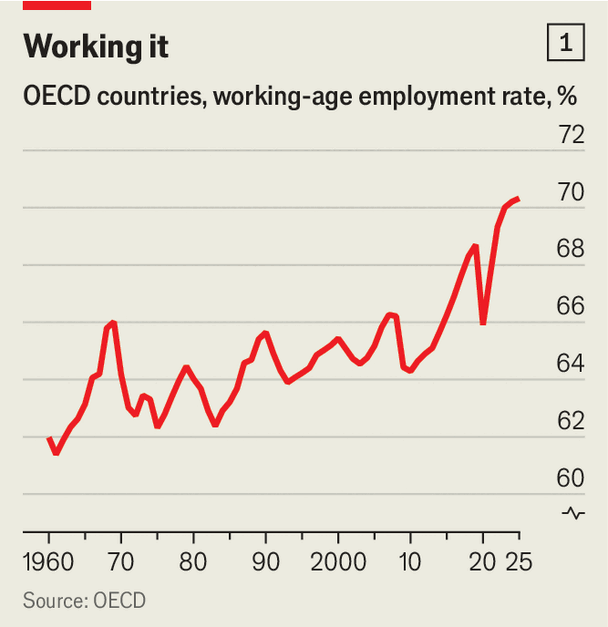
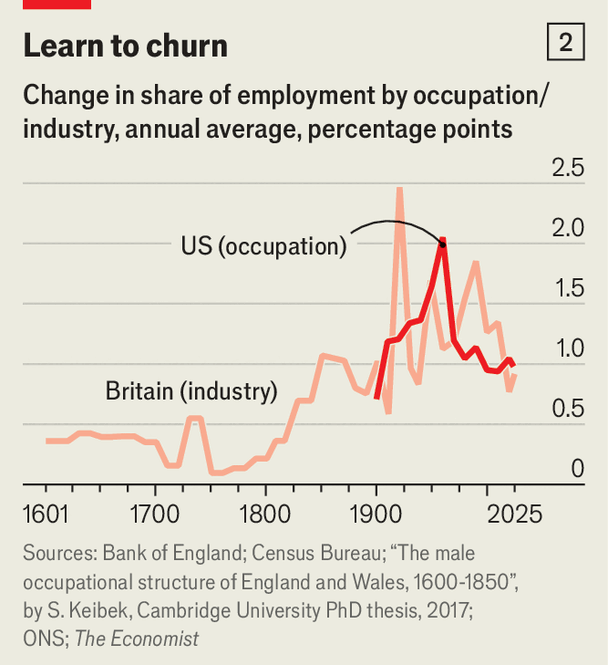
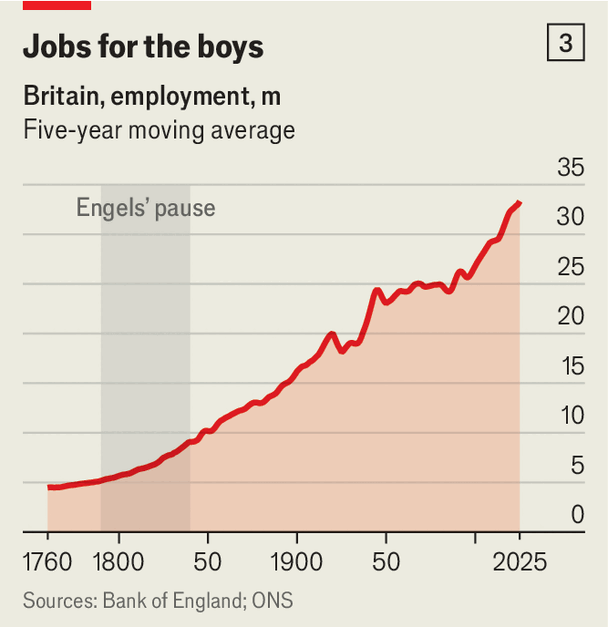
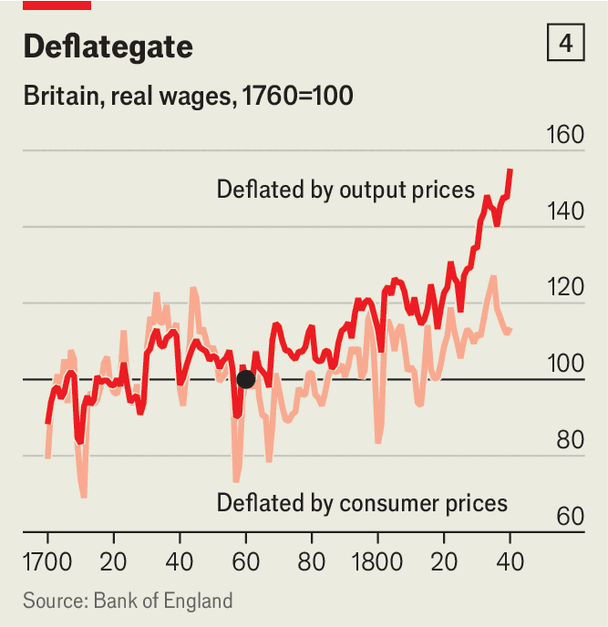
Economists are, for a change(这次不同往常), far less dismal(悲观的,阴沉的). They are allergic to(对…反感,厌恶) the "lump of labour fallacy(工作总量谬误)" which treats the jobs market as static and zero-sum. If technology displaces(取代,使离开) workers from some occupations, they argue, it enriches(使富裕) others, who then spend their gains on goods and services that create new employment.
经济学家这次却远没有那么悲观。他们对“工作总量谬误”感到反感,这种谬误将就业市场视为静态和零和的。他们争辩说,如果技术将工人从某些职业中取代,它会使其他人富裕起来,然后这些人会将自己的收益用于购买商品和服务,从而创造新的就业机会。