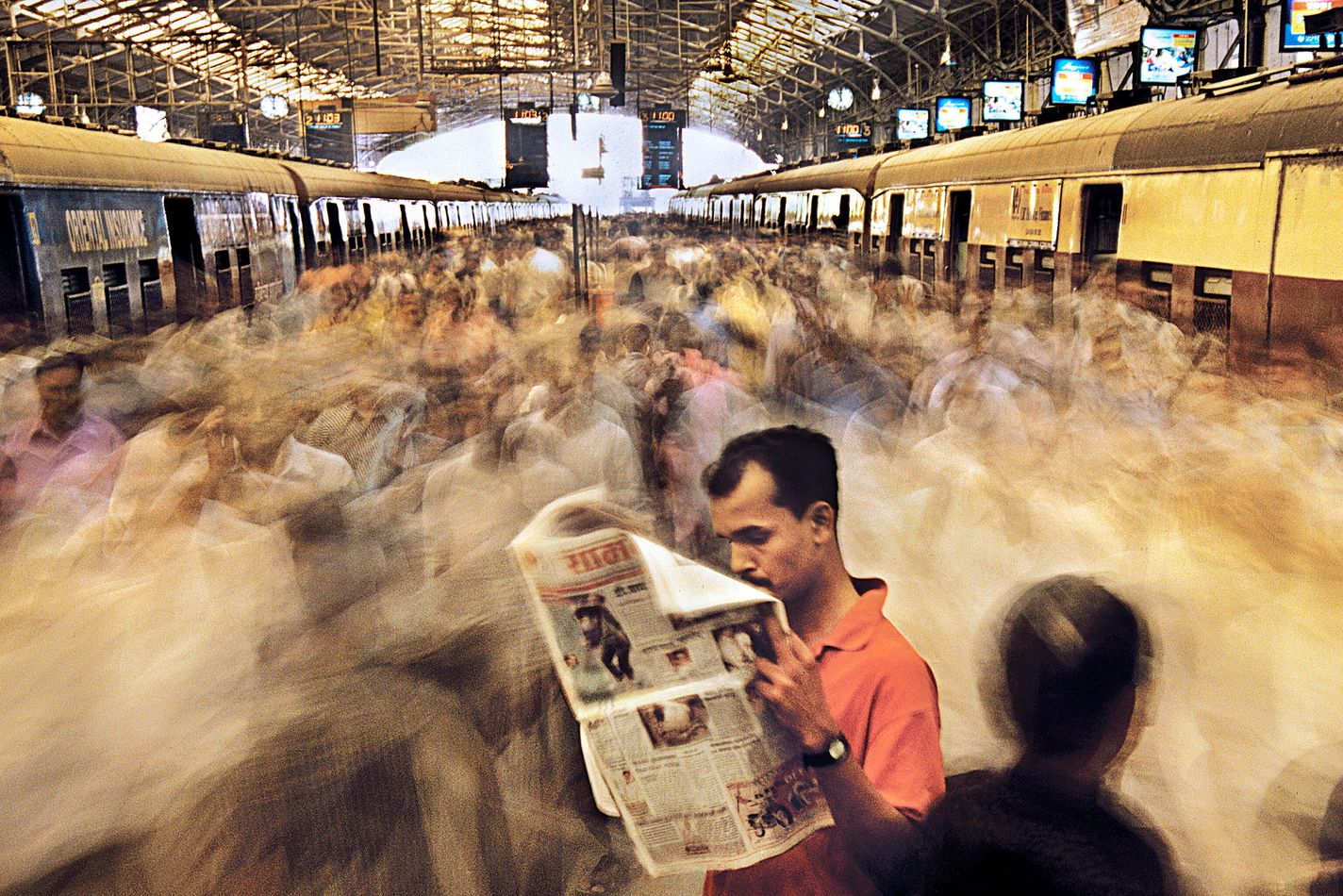
It was hard to walk down a street with Raghu Rai. One friend estimated that, in a ten-minute trot to tea(快步去喝茶), he had stopped at least 100 times. He had seen what others did not see. A shadow on a wall that dramatised(戏剧化,凸显) a woman passing, and the way her sari(纱丽(印度传统服饰)) fell. Three sleeping dogs composing the centre of a terrace. Two commuters at a railway station standing stock still(完全静止不动), reading their newspapers, while the crowd surged past them. Two old men walking in opposite directions, one a well-suited businessman, the other a bent, ragged beggar. This was seeing that did not miss an inch of space; seeing, or darshan(达显(印度教中的神圣看见)), that recognised the connection between all things. Through his camera he met his god.
和拉古·拉伊一起走在街上很困难。一位朋友估计,在去喝茶的十分钟快步行走中,他至少停下了100次。他看到了别人看不见的东西。墙上的一道阴影凸显了一位路过的女人,以及她纱丽垂落的方式。三只睡着的狗组成了露台的中央。火车站的两名通勤者一动不动地站着看报纸,而人群从他们身边涌过。两个老人朝相反方向走着,一个是衣着得体的商人,另一个是驼背、衣衫褴褛的乞丐。这是一种不放过一寸空间的看;一种看见,或曰达显,认识到万物之间的关联。通过他的相机,他遇见了他的神。
Out in the fields he could spend hours too, enjoying the elegance of humped Zebu(瘤牛(一种印度牛)) cattle and the texture of churned-up(翻搅过的,翻腾的) soil. He haunted(常去;萦绕) Mughal(莫卧儿(印度王朝)) ruins and the modern flats they sat beside. He celebrated the magnificent rivers. Avidly he kept an eye on the weather to catch changing light, gathering clouds and beautiful downpours of rain. It was in rural Haryana that this had all begun, when he was struck by the way light fell on a donkey foal in a field. At the time he was a civil engineer, like his father. Wielding his brother’s camera he chased after the donkey until it tired, and stopped to face him. He took the shot; the Times in London published it. His instinct had told him to grasp a moment(抓住一个瞬间), and that was the end of civil engineering.
在田野里,他也能花上几个小时,欣赏峰背瘤牛的高贵和翻耕过的泥土的质感。他流连于莫卧儿王朝的废墟和旁边的现代公寓。他赞美壮丽的河流。他如饥似渴地关注天气,以捕捉变化的光线、聚集的云和美丽的倾盆大雨。这一切始于哈里亚纳邦的农村,那时他被田野中光照在一头驴驹身上的方式所打动。当时他是一名土木工程师,像他父亲一样。他挥舞着哥哥的相机追赶那头驴,直到它累了,停下来面对他。他按下了快门;伦敦的《泰晤士报》发表了这张照片。他的直觉告诉他抓住一个瞬间,土木工程就此终结。
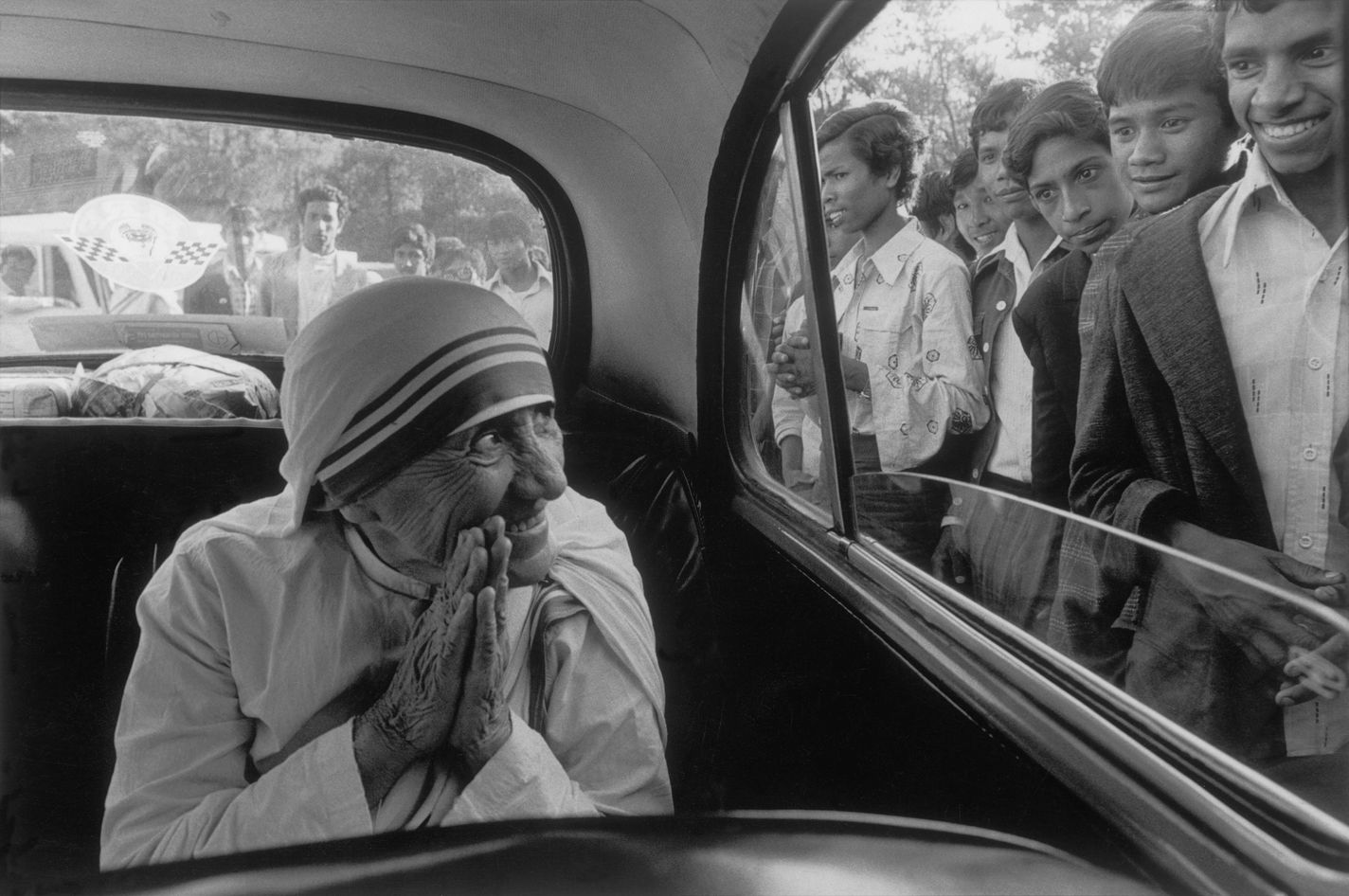
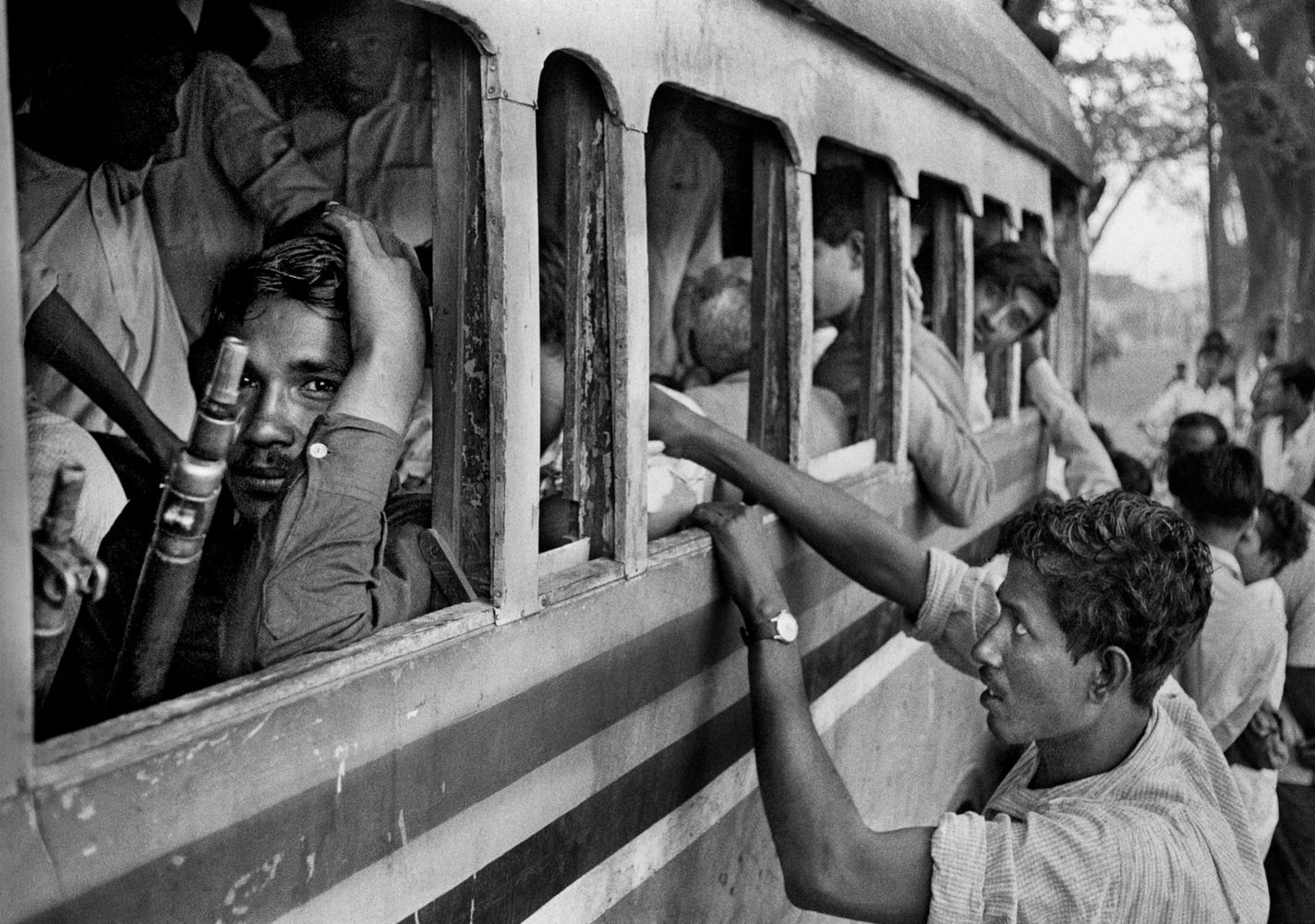
India in every aspect was his canvas, but it was the people who enchanted him. Throughout his more than 18 books of photo essays, there was barely a frame that did not show their intensity and energy. He was not an intrusive(侵扰的,闯入的) photographer. Only one camera, usually his faithful Nikon Z8 with a zoom lens, hung round his neck, and he carried no bags. His movements were leisurely. Over the years he had learned patience. Mud-sculptors making goddesses, near-naked wrestlers relaxing under Kolkata’s Howrah bridge, the boy splashing paint and running off laughing, mourning women raising their arms, did not try to pose for him, and he did not want that. Humbly he preferred to merge with his people, a part of the beating whole(跳动的整体(比喻有机整体)), seeing them with a pure and unsentimental(不煽情的,理性的) eye that was led not by his mind, but by his heart.
印度的每一个方面都是他的画布,但吸引他的是人民。在他超过18本摄影集中,几乎没有一张照片不展现他们的热情和能量。他从来不是一位侵扰式的摄影师。只有一台相机,通常是他那台配有变焦镜头的忠实尼康Z8,挂在脖子上,他不带任何包。他的动作悠然自得。多年来他学会了耐心。制作神像的泥塑匠人,在加尔各答豪拉桥下休息的近乎赤裸的摔跤手,泼洒颜料笑着跑开的男孩,举起手臂的哀悼妇女——他们不会试图为他摆姿势,他也不希望那样。他谦卑地倾向于与他的同胞融为一体,成为跳动整体的一部分,用一颗纯净而不煽情的眼睛观察他们,这颗眼睛不是由头脑驱使,而是由心引导。