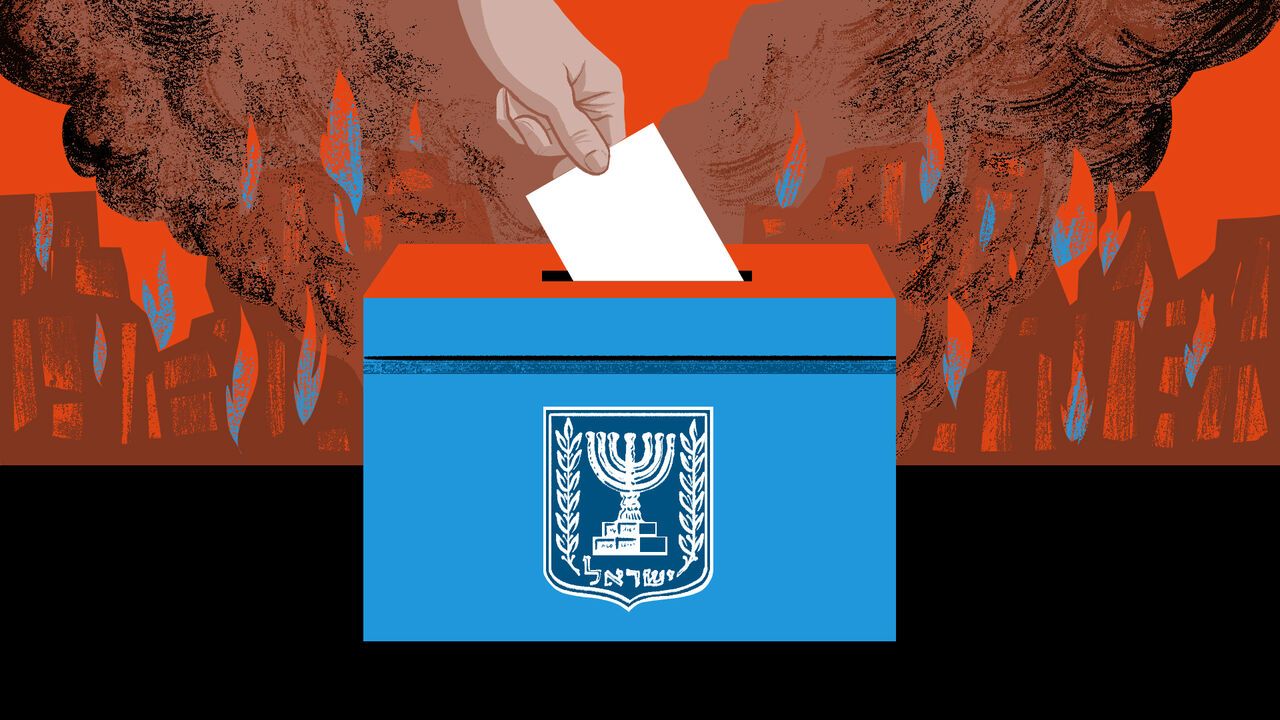
"DID YOU watch the Eurovision Song Contest last night?" asked the barber in a Jerusalem back street, razor in hand. Confessing that he had unaccountably(莫名其妙地) failed to tune in(收看(直播)), your columnist knew why the question was asked. Protest politics intruded(侵入,闯入) on this year's Eurovision—a contest cherished by fans for terrible songs, corny(老套的,陈腐的) lyrics and bad-taste costumes—after Israel made it to the finals. Citing Israel's iron-fisted military occupation(铁腕军事占领) of Gaza, five European countries boycotted(抵制) the competition. Mingled boos and cheers greeted Israel's second-place finish.
“昨晚你看欧洲歌唱大赛了吗?”耶路撒冷后街一位手持剃刀的理发师问道。你的专栏作家承认自己莫名其妙地没看直播,但他知道为何有此一问。在以色列进入决赛后,抗议政治侵入了今年的欧洲歌唱大赛——这个因糟糕的歌曲、老套的歌词和恶俗的服装而深受粉丝喜爱的赛事。五个欧洲国家以以色列对加沙的铁腕军事占领为由抵制了比赛。嘘声与欢呼声交织,迎接以色列获得第二名。
Israel's isolation is not a frivolous(轻浮的,微不足道的) matter. Increasingly its scientists report unexplained refusals when international research grants come up for renewal(到期续期). Parents worry about youngsters being ostracised(被排斥,被孤立) if they enrol at foreign universities, especially after completing national service in the Israel Defence Forces (IDF).
以色列的孤立绝非等闲之事。越来越多的科学家报告称,在国际研究经费续期时会遇到无理由的拒绝。家长们担心,年轻人如果入读外国大学,尤其是在以色列国防军服完兵役后,会受到排斥。
Boycotts do not intimidate(恐吓,威胁) Israel, though. Five days of interviews with serving and retired military officers, government officials and elected politicians reveal a country that still sees itself as fighting for survival in a dangerous neighbourhood. Such a nation can endure solitude. With a world-weary pride(厌世的自豪感), an official quotes a Bible verse from the Book of Numbers, calling the Jews “a people that dwells alone; not reckoned among the nations”. Moreover, Israel is less alone than critics and enemies hope.
不过,抵制行动并不会吓倒以色列。通过对现役和退役军官、政府官员以及民选政治人物历时五天的采访,揭示出一个仍视自己为在一片危险区域中为生存而战的国家。这样的民族能够忍受孤独。一位官员带着饱经沧桑的骄傲引用了《民数记》中的经文,称犹太人为“独居的民,不列在万民中”。此外,以色列实际上并不像批评者和敌人所希望的那样孤立无援。
Security is an illusion, if people have no hope
如果人们没有希望,安全便是幻觉