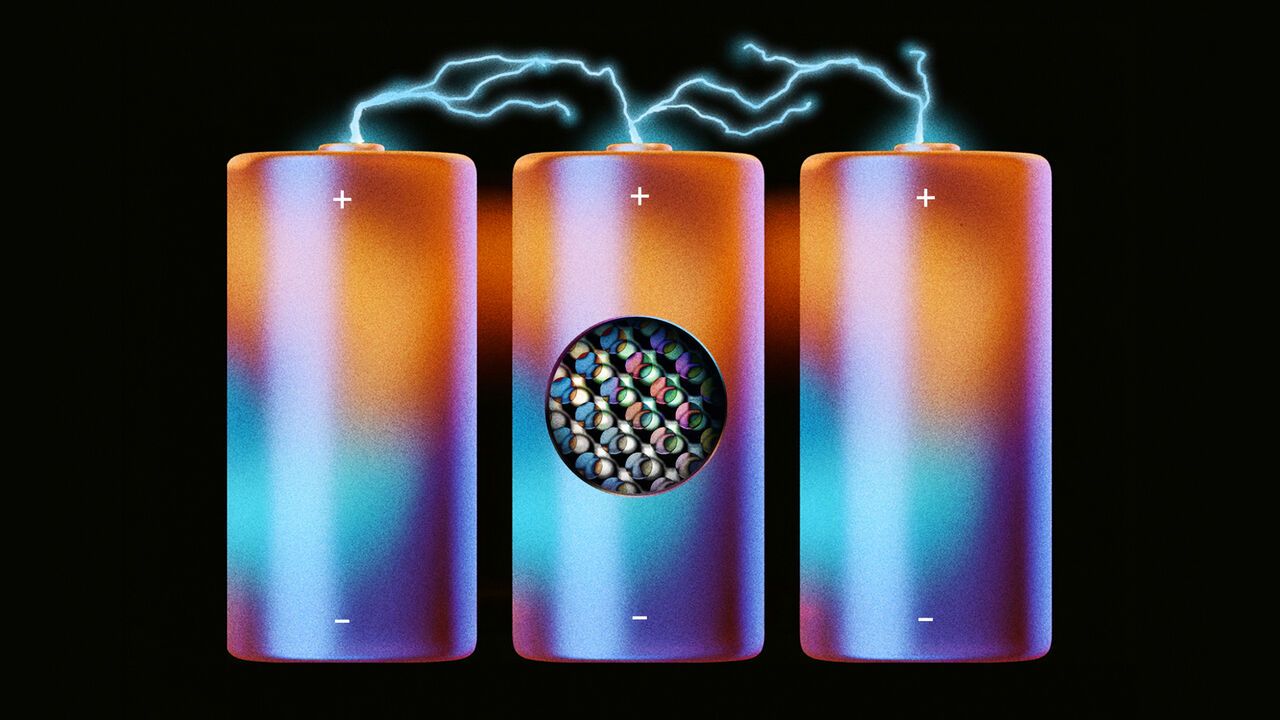
LIKE ANY champion who spends too long at the top, the lithium-ion battery is stagnating(停滞不前). Over decades as the battery of choice in everything from smartphones to electric cars and drones, its design has been tweaked countless times to improve its energy density and performance. But, some scientists say, those improvements are approaching their theoretical limits. Even the best models are prone to(易于,有倾向) dying out in the cold, rapidly losing capacity or—as is the case for those in household devices—spontaneously catching fire(自发起火).
如同任何在巅峰停留过久的冠军,锂离子电池正在停滞不前。几十年来,作为从智能手机到电动汽车和无人机的首选电池,其设计被无数次调整以提高能量密度和性能。但一些科学家表示,这些改进正接近理论极限。即使最好的型号也容易在低温下失效、快速损失容量,或者——就像家用设备中的情况——自发起火。
At the same time, demand for batteries has never been greater. 30% of cars sold in 2026 are expected to be electric vehicles (EVs) which rely on them for power. Last year American homes and businesses installed a record number of big batteries. According to Wood Mackenzie(① 背景:Wood Mackenzie(...), a consultancy, by the end of the decade installations could rise by almost 40%. Worthy challengers are desperately needed(迫切需要).
与此同时,对电池的需求从未如此巨大。2026年售出的汽车中预计30%将是依赖电池供电的电动汽车(EV)。去年美国家庭和企业安装了创纪录数量的大型电池。据咨询公司伍德麦肯齐称,到2020年代末,安装量可能增加近40%。急需有价值的挑战者。
Advances in materials science are at last bringing some within reach. Battery-builders are modifying existing materials and creating novel combinations to design batteries that store more energy while being safer and more stable than anything on the market today. The lithium-ion battery’s crown may be up for grabs(可争夺的,待竞争).
材料科学的进步终于使一些技术触手可及。电池制造商正在改进现有材料并创造新颖组合,以设计比当今市场上任何电池都更安全、更稳定且储能更多的电池。锂离子电池的王冠可能即将易主。
Braving the elements
勇敢面对挑战