UNCOVERING HOW a virus spreads among a population involves some tricky detective work(棘手的侦探工作). The schedules of all those infected have to be carefully examined in the days or weeks around the time they fell ill, in order to work out who infected whom—and, most important, where and how. The more isolated the population, the more accurately such records can be gathered. To epidemiologists, therefore, cruise ships with onboard outbreaks are the equivalent of floating Petri dishes bursting with valuable information.
揭示病毒如何在人群中传播需要一些棘手的侦探工作。必须仔细检查所有感染者在发病前后几天或几周内的行程安排,以弄清谁感染了谁——而最关键的,是在哪里以及如何感染的。人群越孤立,这些记录就能收集得越准确。因此,对于流行病学家来说,发生疫情的邮轮就相当于漂浮的培养皿,充满了宝贵的信息。
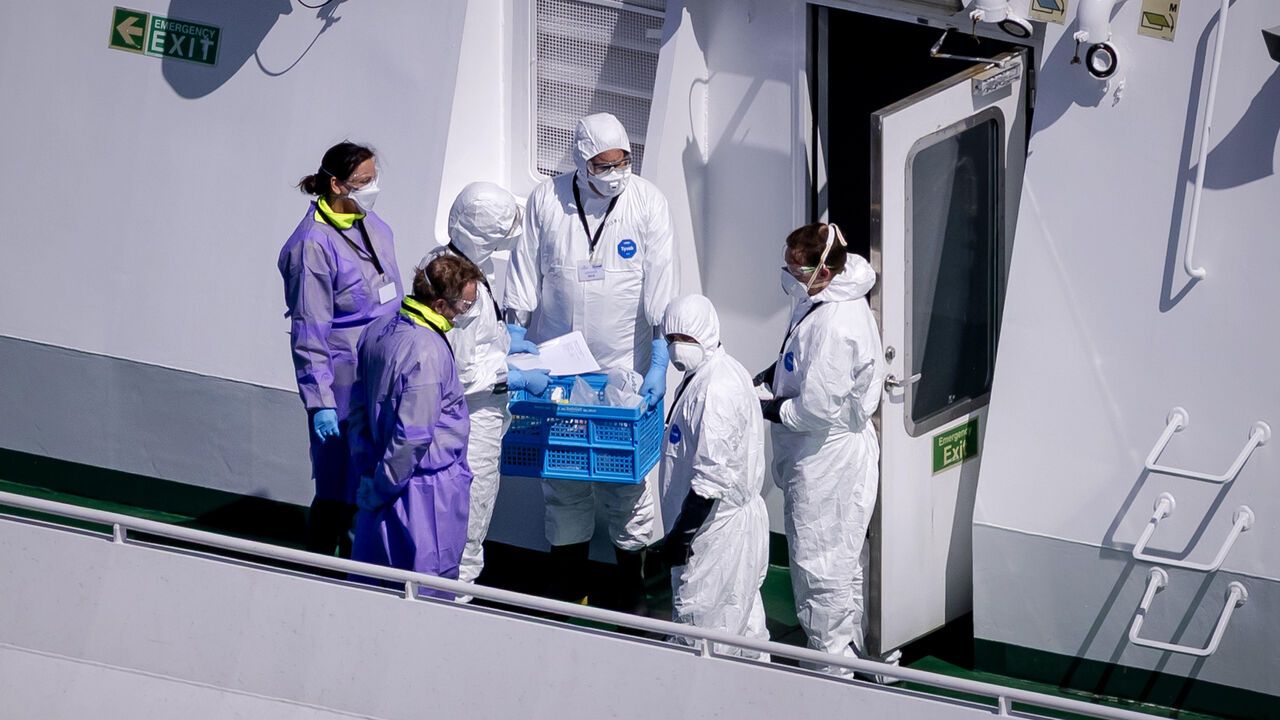
The MV Hondius is the latest example. As of May 20th at least 11 cases of hantavirus were confirmed among its 147 passengers and crew; three of those infected have died. The outbreak was caused by the Andes strain(毒株、菌株) of hantavirus, a bug(病菌、病毒) carried by South American rodents that causes about 100-150 known human infections in Argentina and Chile each year. Human-to-human transmission can occur but such secondary cases are rarer still. The Hondius case study is, therefore, a valuable addition to this body of knowledge(知识体系).
MV Hondius 就是最新的例子。截至5月20日,其147名乘客和船员中至少有11例汉坦病毒确诊病例;其中3名感染者已经死亡。此次疫情是由安第斯株汉坦病毒引起的,这是一种由南美啮齿动物携带的病毒,每年在阿根廷和智利导致约100至150例已知人类感染。人际传播可能发生,但这种继发病例更为罕见。因此,Hondius 的案例研究是对这一知识体系的有益补充。
At the moment, the original source of the onboard virus is thought to be exposure to rodent droppings(粪便(动物)) or urine prior to departure. The data—including genomic sequencing of the virus—suggest that the first four cases in the outbreak may have originated that way, possibly from the same source, says Thomas Hofmann from the European Centre for Disease Prevention and Control. But there is rarely complete certainty about how an infection was picked up. People cannot recall every single interaction they have with others. It is even harder to know who used the same toilet or touched the same serving utensils(用具、器皿) at a lunch buffet. Better records of passenger interactions are needed to get to the bottom of(查明真相、彻底弄清) the outbreak.
目前,船上病毒的原始来源被认为是出发前接触了啮齿动物的粪便或尿液。数据显示——包括病毒的基因组测序——疫情中的前四个病例可能源自这种方式,且可能来自同一源头,欧洲疾病预防与控制中心的托马斯·霍夫曼表示。但关于感染是如何获得的,很少有完全的确定性。人们无法回忆起与他人每一次互动。更难知道谁使用了同一个厕所,或者谁在午餐自助餐时接触了同一个盛菜用具。需要更好地记录乘客之间的互动,才能彻底查明疫情。