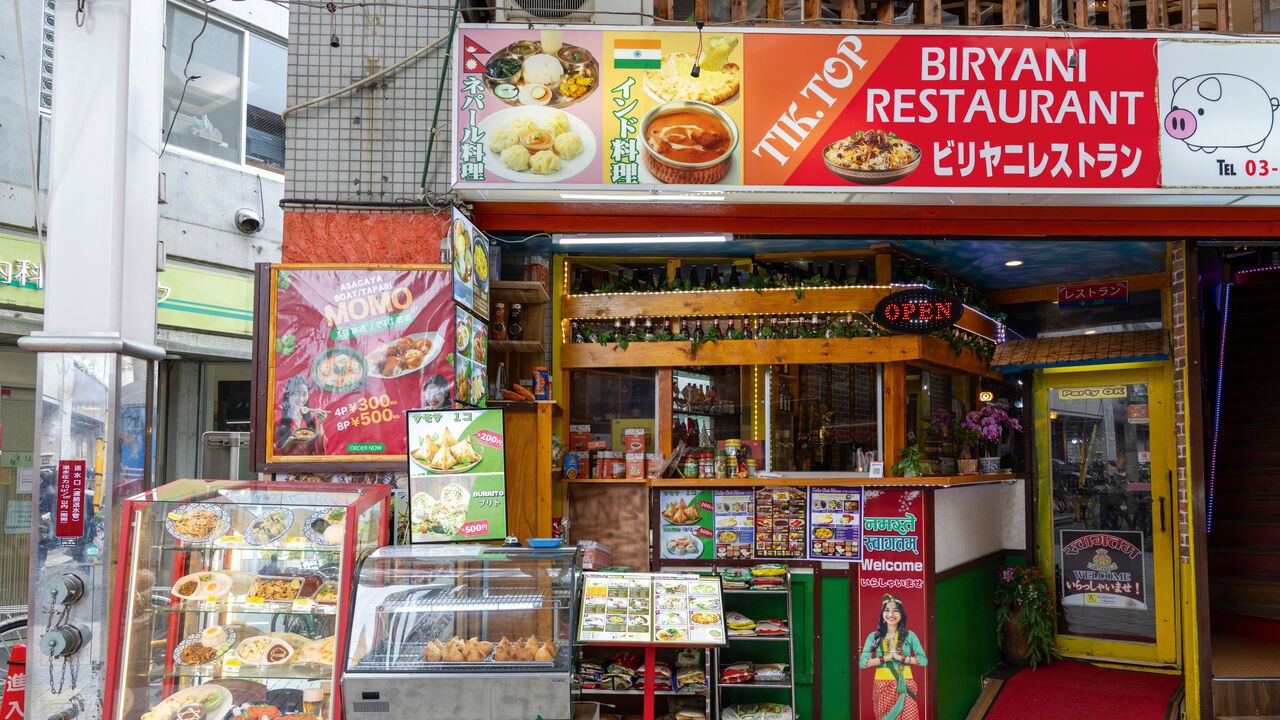
HIMALAYAN CARAVAN, a Nepalese-Indian restaurant in east Tokyo, has sat(坐落于,位于) on its quiet street for two decades. Sanjay Sahani, its Nepalese owner, first came to Japan as a chef in 2006. His ¥850 ($5) curry-and-naan set lunch draws a steady crowd(吸引稳定的客流), from office workers to pensioners(养老金领取者,退休人员). The neighbours and his regulars are like family, he says.
位于东京东部的尼泊尔-印度餐厅“喜马拉雅大篷车”已在安静的小街上经营了二十年。尼泊尔店主桑杰·萨哈尼最初于2006年以厨师身份来到日本。他提供的850日元(约5美元)咖喱烤饼套餐午餐吸引了稳定的客流,从上班族到退休人士都有。他说邻居和熟客就像家人一样。
Mr Sahani is not unusual. Japan has little immigration—foreigners are just 3% of the population, compared with 15% across the OECD(① OECD(Organisation ...)—yet Indian restaurants are everywhere. The country has between 4,000 and 5,000 of them, more than it has McDonald’s outlets, despite having only 59,000 Indian residents. Most are owned and staffed(配备员工,由…经营) by Nepalese immigrants, who number around 300,000. Now they are in trouble. As Japanese politics turns against(转而反对,变得敌视) immigration, the government has tightened(收紧,加强限制) rules for the “business management” visa on which most foreign restaurateurs(餐馆老板,餐厅经营者) depend. The intended target lies elsewhere. Yet the humble curry house has become a casualty.(然而,不起眼的咖喱店却成了牺牲品。)
萨哈尼先生的情况并不罕见。日本移民极少——外国人仅占总人口的3%,而经合组织国家平均为15%——但印度餐厅却无处不在。全国有4000到5000家印度餐厅,数量超过麦当劳门店,而印度裔居民只有5.9万人。其中大部分由尼泊尔移民拥有和经营,尼泊尔移民约30万人。如今他们遇到了麻烦。随着日本政治转向反对移民,政府收紧了大多数外国餐馆老板赖以生存的“经营管理”签证的规定。原定目标另有其人。然而,不起眼的咖喱店却成了牺牲品。
In recent years officials have grown suspicious that some foreigners, often rich Chinese, have used shell companies(空壳公司,皮包公司) to secure(获得,获取) visas. In October the government raised the visa’s minimum capital requirement(要求,必要条件) from ¥5m ($31,500) to ¥30m ($188,000). It also required applicants to employ at least one full-time Japanese worker or permanent resident. Existing holders have a three-year grace period(宽限期).
近年来,官员们怀疑一些外国人(通常是富裕的中国人)利用空壳公司获取签证。去年10月,政府将签证的最低资本要求从500万日元(3.15万美元)提高到3000万日元(18.8万美元)。还要求申请人至少雇佣一名全职日本员工或永久居民。现有持有者有三年的宽限期。