If you are a bank boss and in the headlines, you are either Jamie Dimon or you have screwed up(搞砸了). Bill Winters, the chief executive of Standard Chartered, an emerging-markets bank headquartered in Britain, made waves(引起轰动) recently when he talked about a planned 15% reduction in back-office jobs over the next four years. Four words in particular landed him in trouble: a reference to the replacement of “lower-value human capital” by financial capital invested in automation. The kerfuffle(小风波、争吵) provides an instructive case study in a problem now faced by almost every manager: how to talk about the effect of artificial intelligence on jobs.
如果你是一位银行老板并且上了头条,你要么是杰米·戴蒙,要么就是搞砸了。渣打银行(一家总部位于英国的新兴市场银行)首席执行官比尔·温特斯最近因谈到计划在未来四年内减少15%的后台岗位而引发波澜。特别是其中四个字让他陷入了麻烦:他提到用投资于自动化的金融资本替代“低价值人力资本”。这场风波为几乎所有管理者现在都面临的一个问题提供了一个具有启发性的案例研究:如何谈论人工智能对就业的影响。
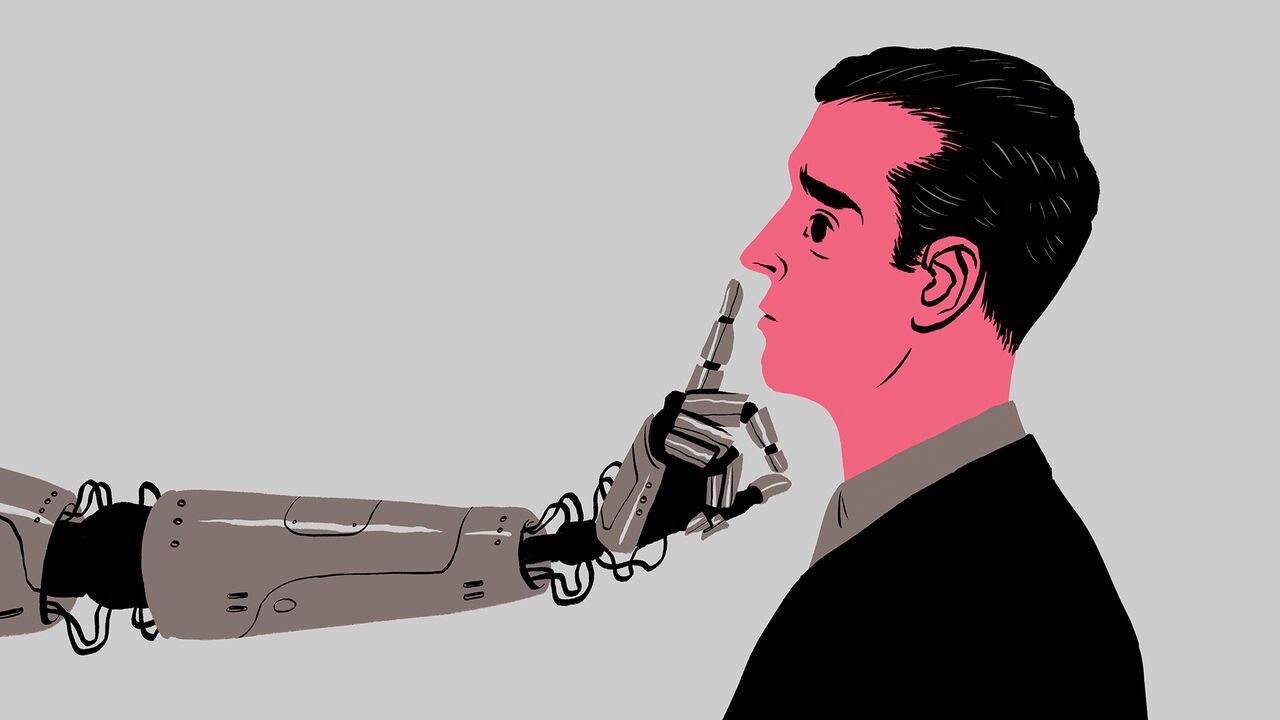
Bosses want employees to use AI in order to improve productivity, see off(击败;送别) AI-using rivals and more. Employees, on the whole, are less enthused. They can see some benefits to the technology. But they can also see the risks that it poses to jobs. Even if the numbers do not point to widespread lay-offs yet, an AI backlash(强烈反对) is well under way. It has spawned the acronym “FOBO(害怕过时恐惧)”, for “fear of becoming obsolete”. It shows up in viral videos—of American graduates booing commencement speakers who mention the technology and of a departing Meta employee singing about the tech giant’s AI strategy to the tune of “American Pie(美国派(歌曲))” (“And now I’m singing bye bye to professional pride”).
老板们希望员工使用人工智能以提高生产力、击败使用AI的竞争对手等等。员工总体而言热情较低。他们能看到这项技术的一些好处,但也能看到它对就业构成的威胁。即使数据尚未显示大规模裁员,但针对AI的反弹已经如火如荼。它催生了缩写词“FOBO”,意为“害怕过时”。这在病毒式传播的视频中有所体现——美国毕业生对提及该技术的毕业典礼演讲者发出嘘声,以及一名即将离职的Meta员工按照《美国派》的旋律演唱这家科技巨头的AI战略(“现在我唱着永别了,职业自豪感”)。
Job insecurity(不安全、不稳固) is not great for anyone. It has the most unpleasant effects on employees. A literature review by Magnus Sverke of Stockholm University and his co-authors—published in 2019, before the start of the generative-AI age—found that it is generally associated with worse health outcomes and decreased job satisfaction. But firms suffer, too. In theory, job insecurity might benefit organisations if it spurred greater employee effort. In practice, it seems to lead to impaired performance.(理论上,工作不安全感若促使员工更加努力,或许对企业有利。但实际上,它似乎会导致绩效受损。)
工作不安全感对任何人都不好。它对员工的影响最为不快。斯德哥尔摩大学的马格努斯·斯维尔克及其合著者于2019年(生成式AI时代开始前)发表的一篇文献综述发现,工作不安全感通常与更差的健康状况和更低的工作满意度相关。但公司也深受其害。理论上,工作不安全感若促使员工加倍努力,或许对企业有利。但实际上,它似乎会导致绩效受损。