THE VIEW from the breakwater(防波堤) at Nice has not altered too much over the decades: stately harbour front, azure(蔚蓝的) sea. What has changed is the size of the yachts. Over the past decade superyachts, defined as any private boat over 24 metres long, have become as common as gulls at a fried-fish stand(像炸鱼摊旁的海鸥一样常见). Europe is not only a playground for such craft; it is where most of them are built. But the war in Iran has plunged the industry into stormy waters.
尼斯防波堤的景色几十年来变化不大:庄严的港口前沿,蔚蓝的大海。发生变化的是游艇的尺寸。在过去十年中,超级游艇——定义为长度超过24米的私人船只——已经变得像炸鱼摊旁的海鸥一样常见。欧洲不仅是这类船只的游乐场,也是大多数船只的建造地。但伊朗战争使该行业陷入了风暴水域。
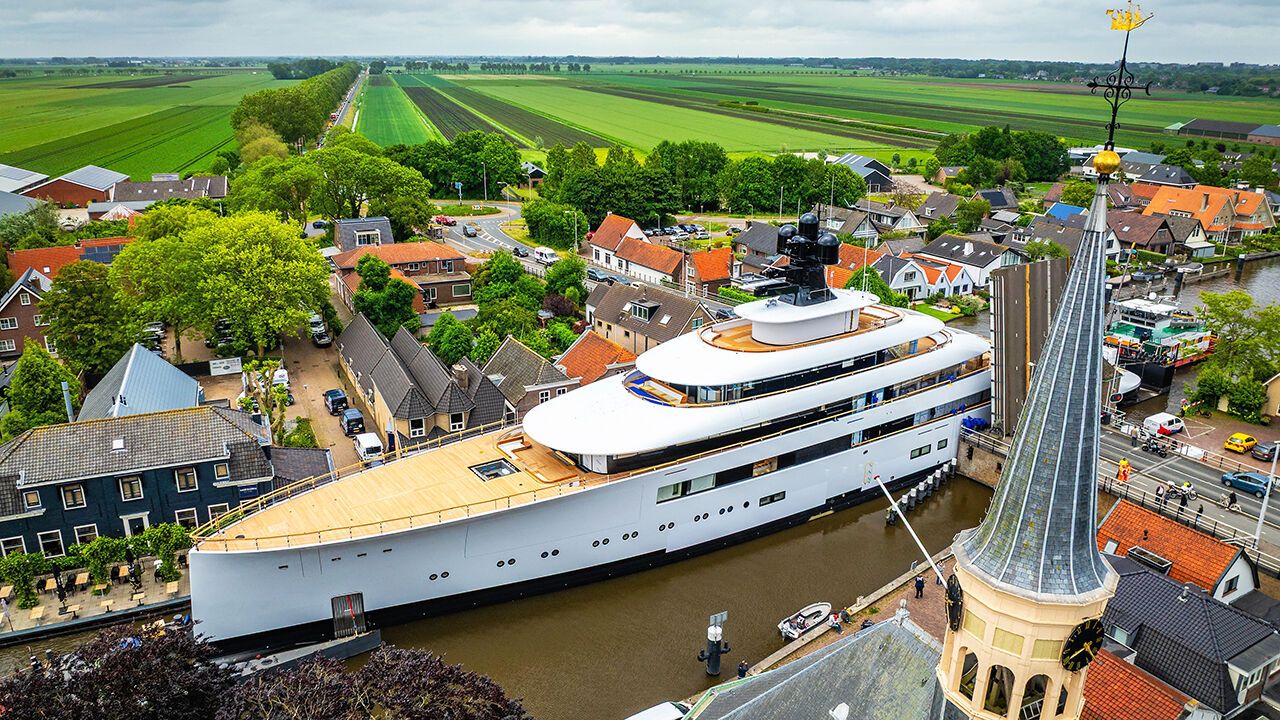
Europe is in trouble in many manufacturing sectors, from automobiles to chemicals, but it dominates(主导,占据优势) superyacht construction. Over half of the more than 1,000 big boats built last year were made in Italy. Four of the next five top producing countries are European. Purveyors of floating palaces are dotted across the continent. Andrey Melnichenko(① 背景:Melnichenko是俄罗斯...), a Russian magnate, turned to Nobiskrug in Kiel, Germany. Howard Schultz, ex-CEO of Starbucks, bought his (pictured) from Feadship in the Netherlands.
欧洲在从汽车到化工的许多制造业领域都陷入困境,但它在超级游艇建造领域占据主导地位。去年建造的1000多艘大型船只中,超过一半是在意大利制造的。接下来五个主要生产国中有四个是欧洲国家。水上宫殿的供应商遍布欧洲大陆。俄罗斯大亨安德烈·梅利尼琴科选择了德国基尔的Nobiskrug公司。星巴克前CEO霍华德·舒尔茨从荷兰的Feadship公司购买了他的游艇(如图所示)。
The giant pleasure-cruiser business is usually resilient(有弹性的,能复原的) to crises. After 2008 orders dipped, then recovered, as the drop in ultra-wealthy fortunes was short-lived. The pandemic only increased demand: salesmen marketed them as an escape from lockdown.(疫情反而增加了需求:销售商将其推销为逃离封锁的方式。) The total number of superyachts on order rose from 821 in 2021 to 1,093 today. This year, however, orders are spluttering(断断续续地发出,停滞). At Ferretti, a large Italian yacht-builder, they were down by a third in the first quarter compared to the same period in 2025, in large part because of war in the Gulf.
巨型休闲游艇业务通常对危机有韧性。2008年后订单下滑,然后恢复,因为超级富豪的财富下跌是短暂的。疫情反而增加了需求:销售商将其推销为逃离封锁的方式。超级游艇的订单总数从2021年的821艘增至今天的1093艘。然而今年订单量开始下滑。在意大利大型游艇制造商法拉帝,第一季度订单量比2025年同期下降了三分之一,很大程度上是因为海湾战争。