IN A FIELD somewhere in Kyiv, a group of patriotic teenagers are practising military drills under the watch of army instructors. The youngest is 14. They come here four or five times a week after homework, and earnestly say they are ready to step in for the fallen(接替阵亡者). “Our guys are not infinite(无限的). Someone has to replace them,” says 18-year-old Danylo, his emerald eyes framed by a khaki balaclava.
在基辅的某处田野里,一群爱国青少年正在军队教官的指导下进行军事演习。最小的只有14岁。他们放学后每周来四到五次,认真地表示自己已经准备好顶替阵亡的士兵。“我们的人不是无限的。总得有人来替代他们,”18岁的丹尼洛说,他翠绿色的眼睛被卡其色巴拉克拉法帽衬托着。
Across town, a 28-year-old is staring at the walls of his safehouse, in lockdown and digital silence since escaping conscription(征兵) in February. At the start of the war Ivan raised money for the army. Now, pallid from lack of sunlight, he rejects the idea of an independent Ukraine itself. He is one of an estimated 300,000 Ukrainian men absent without leave(擅离职守).
在城市的另一边,一名28岁的男子盯着他安全屋的墙壁,自2月逃避征兵以来一直处于封锁和数字静默状态。战争初期,伊万为军队筹款。现在,由于缺乏阳光而面色苍白,他连乌克兰独立本身的想法都否认。他是估计30万擅离职守的乌克兰男性之一。
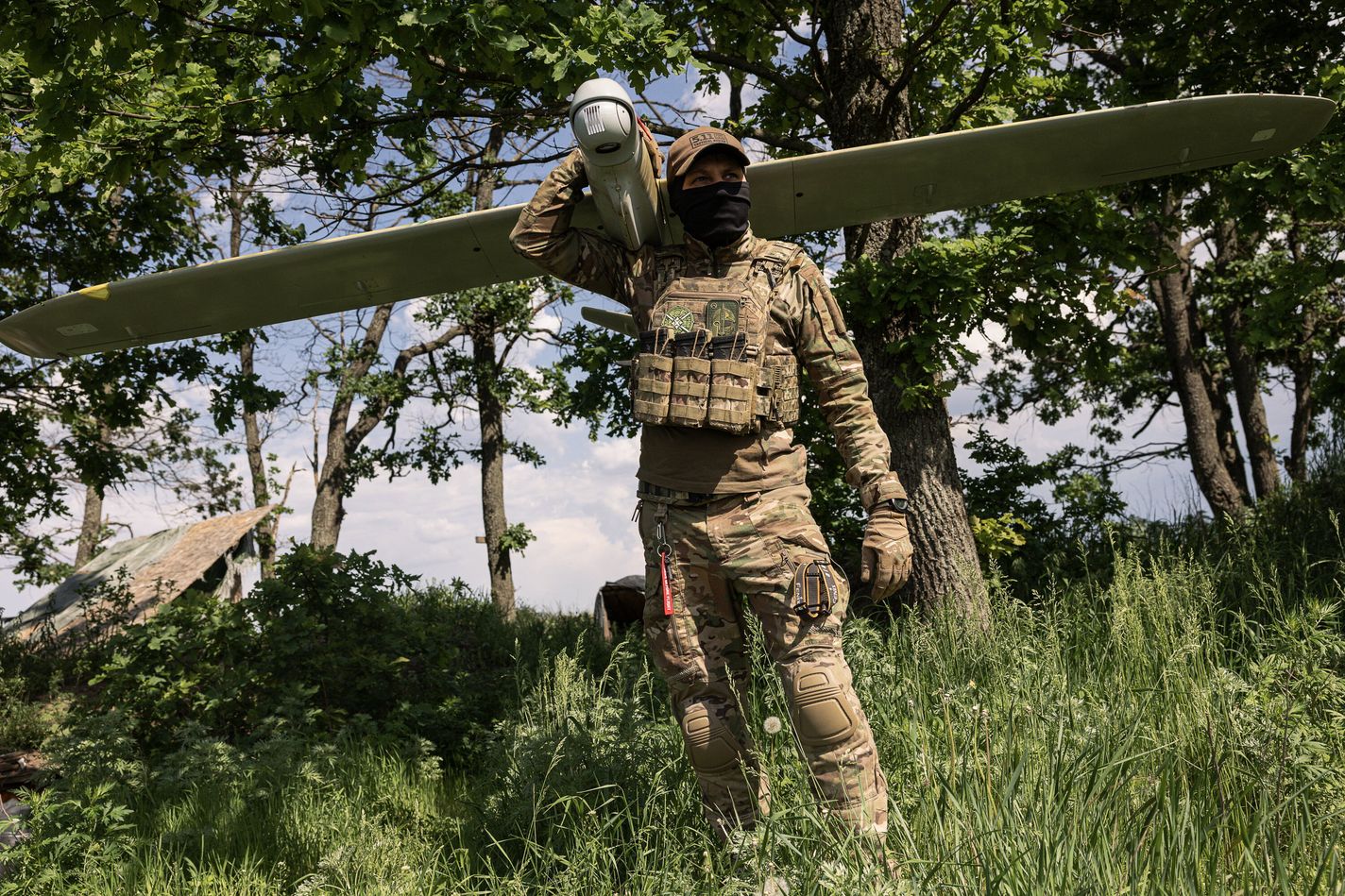
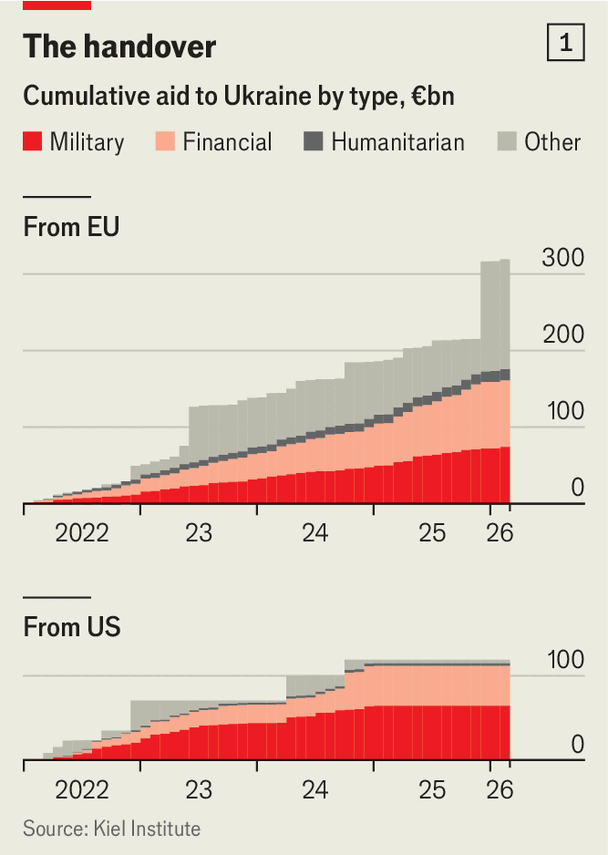
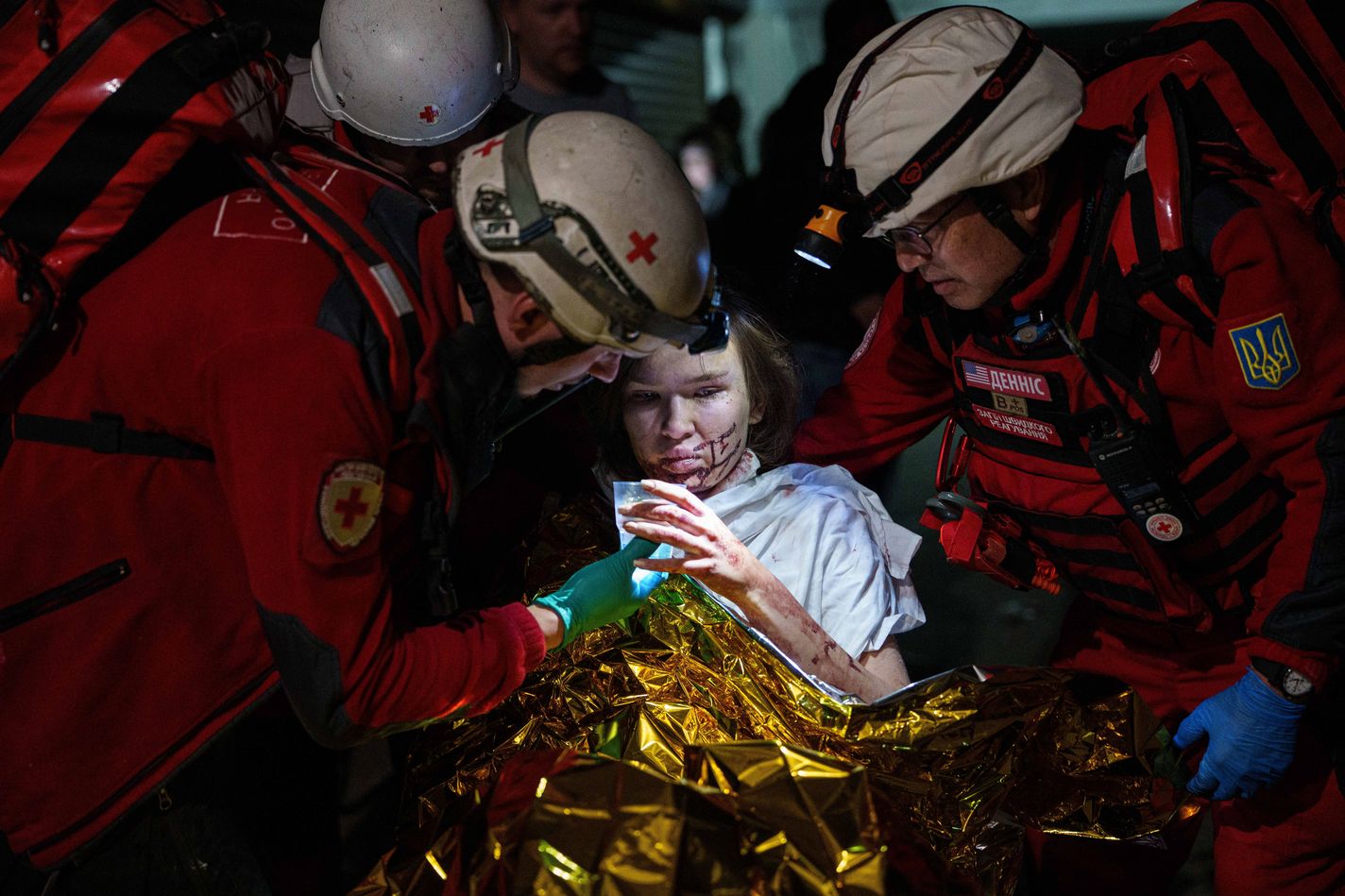
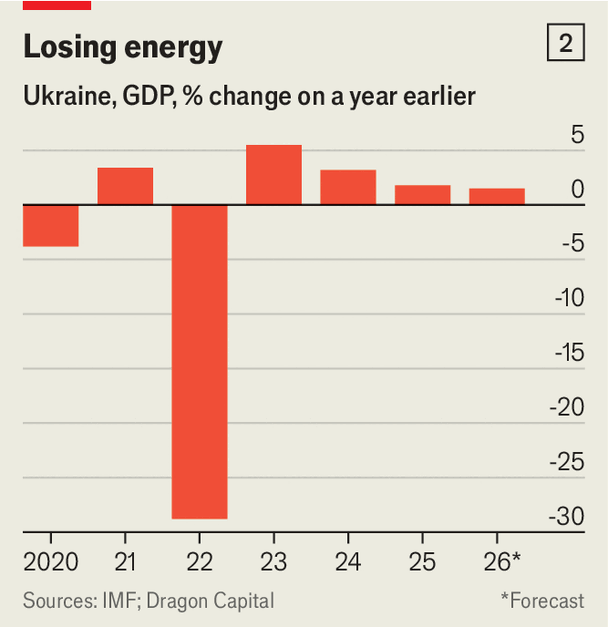
The two scenes are close enough to share the same Kyiv postcode. But they describe two different wars: one where Ukraine is starting to get an advantage over Russia, and one where it is still struggling. The front line is stabilising, Europe is delivering cash and the country is carving out a role(开创角色) as a defence power, producing drone technology the world needs. Volodymyr Zelensky is leaning into the idea of a longer war, as confidence grows that Russia, with its burning refineries, stalling economy and grumbling(抱怨的) elites, is growing more unstable.
这两个场景相距很近,足以共享同一个基辅邮政编码。但它们描述了两场不同的战争:一场是乌克兰开始对俄罗斯取得优势,另一场是仍在挣扎。前线正在稳定,欧洲在提供资金,该国正在塑造自己作为国防大国的角色,生产世界需要的无人机技术。弗拉基米尔·泽连斯基倾向于长期战争的想法,因为信心在增长,认为俄罗斯的炼油厂在燃烧、经济停滞、精英怨声载道,正变得更加不稳定。
The war Ukraine is winning
乌克兰正在赢得的战争
The cost of war
战争的代价
War without end
无尽的战争