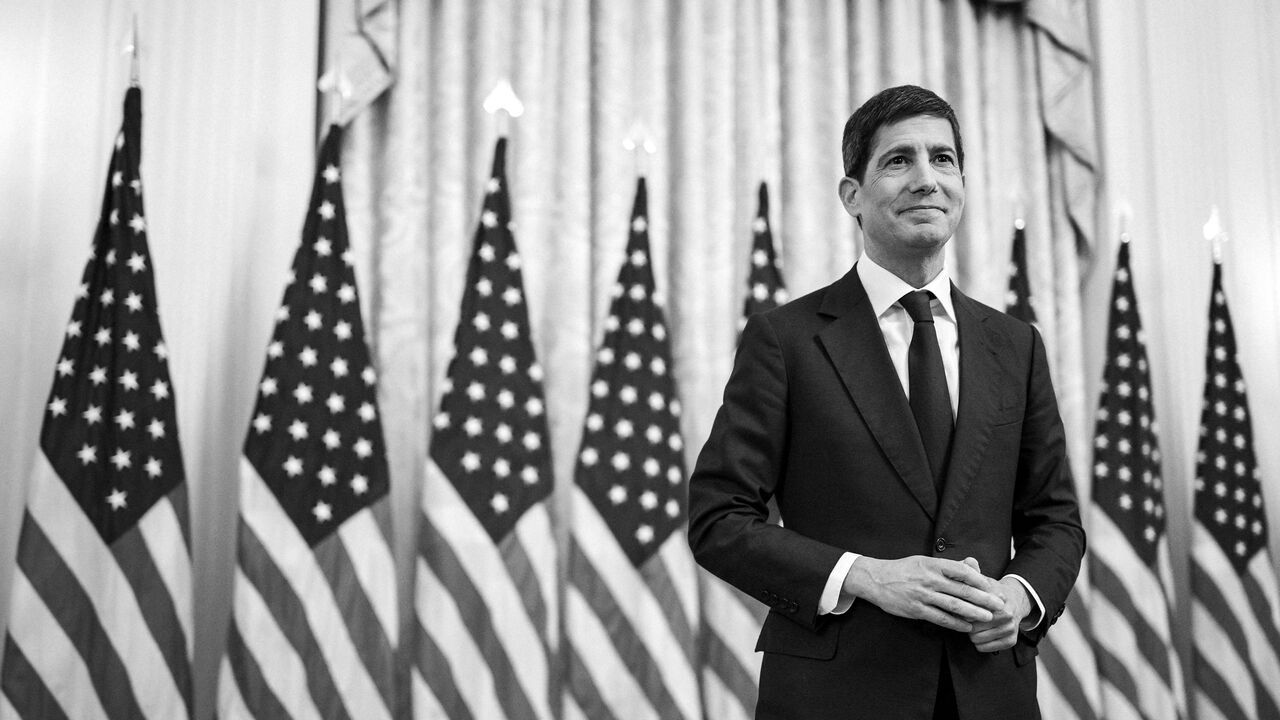
KEVIN WARSH'S first day in his new job on May 22nd was instructive(有启发性的). For the first time in nearly 40 years, the chairman of the Federal Reserve was sworn in at the White House—an odd setting for the head of an institution that prides itself on political distance.(近40年来,美联储主席首次在白宫宣誓就职——对于一个以政治距离为荣的机构负责人来说,这是一个奇怪的场所。) Donald Trump nevertheless assured his hand-picked inflation dove(亲手挑选的通胀鸽派) that he should be “totally” independent. Hours later, at a rally in New York, the president sketched the boundaries of that independence. “I had a rotten head of the Fed, now I have a great head of the Fed,” he boasted, before predicting that interest rates would come down “very quickly”.
凯文·沃什在5月22日上任第一天就颇具启示意义。近40年来,美联储主席首次在白宫宣誓就职——对于一个以政治距离为荣的机构负责人来说,这是一个奇怪的场所。尽管如此,唐纳德·特朗普还是向他亲手挑选的通胀鸽派保证,他应该“完全”独立。几小时后,在纽约的一次集会上,总统勾勒了这种独立的边界。“我有一位糟糕的美联储主席,现在我有一位伟大的美联储主席,”他吹嘘道,然后预测利率将“很快”下降。
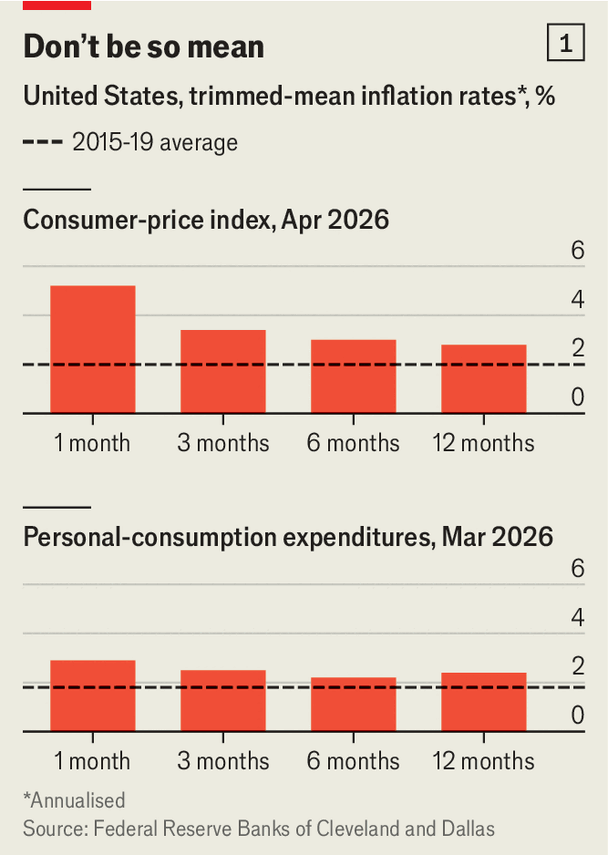
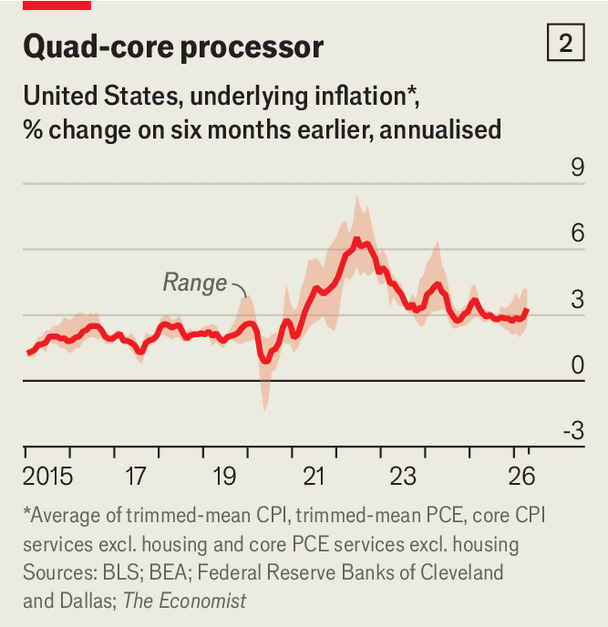
Yet the path to lower rates has narrowed(变窄,缩小) since he nominated Mr Warsh in January. As war in Iran pushed up energy prices, America’s consumer-price index (CPI) rose at an annualised pace of 7.3% in the three months to April. Pricier oil is feeding into(渗透到,传导到) other costs, from plastics to transport, inflating prices far from the pump. Even excluding energy and food, CPI is up by a hot(高的,过热的) 3.2%. The central bank’s preferred gauge of underlying inflation is hotter still.
然而,自他1月份提名沃什以来,降息之路已经变窄。随着伊朗战争推高能源价格,美国消费者价格指数(CPI)在截至4月的三个月内以年化7.3%的速度上涨。更贵的石油正渗透到从塑料到运输的其他成本中,推高了远离油泵的价格。即使剔除能源和食品,CPI也上涨了3.2%,热度不减。央行偏好的潜在通胀指标更热。
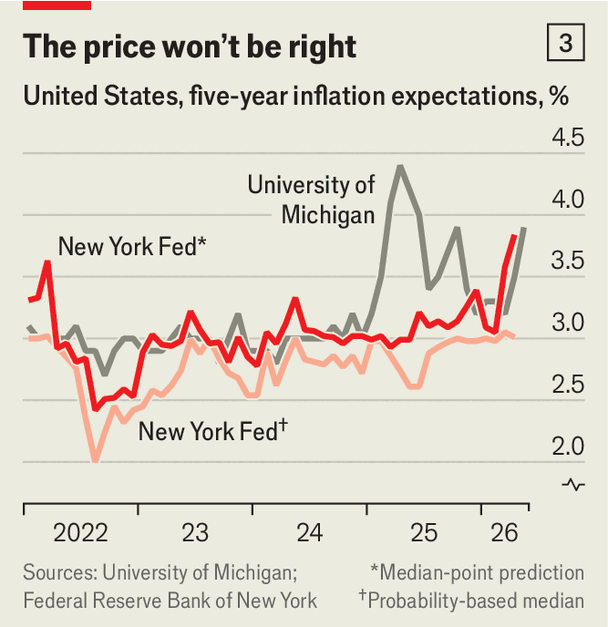
At his confirmation hearing in April, Mr Warsh told Congress he was not interested in “the one-time change in prices because of a change in geopolitics”. Central bankers are usually taught to “look through(看穿,忽略)” energy shocks, since these may lift prices once without stoking(煽动,加剧) underlying inflation—so long as they do not provoke the public to expect higher inflation in future. But one-offs(一次性事件) are easier to ignore when they are brief. The war in Iran has already dragged on(拖延,持续), and the buffers(缓冲因素,缓冲物) holding down oil prices are dwindling.
在4月的确认听证会上,沃什告诉国会,他对“因地缘政治变化而产生的价格一次性变化”不感兴趣。央行行长通常被教导要“看穿”能源冲击,因为这些冲击可能一次性抬高价格,而不会引发潜在通胀——只要它们不引发公众对未来更高通胀的预期。但一次性冲击在短暂时更容易被忽略。伊朗战争已经拖延,而压低油价的缓冲因素正在减少。