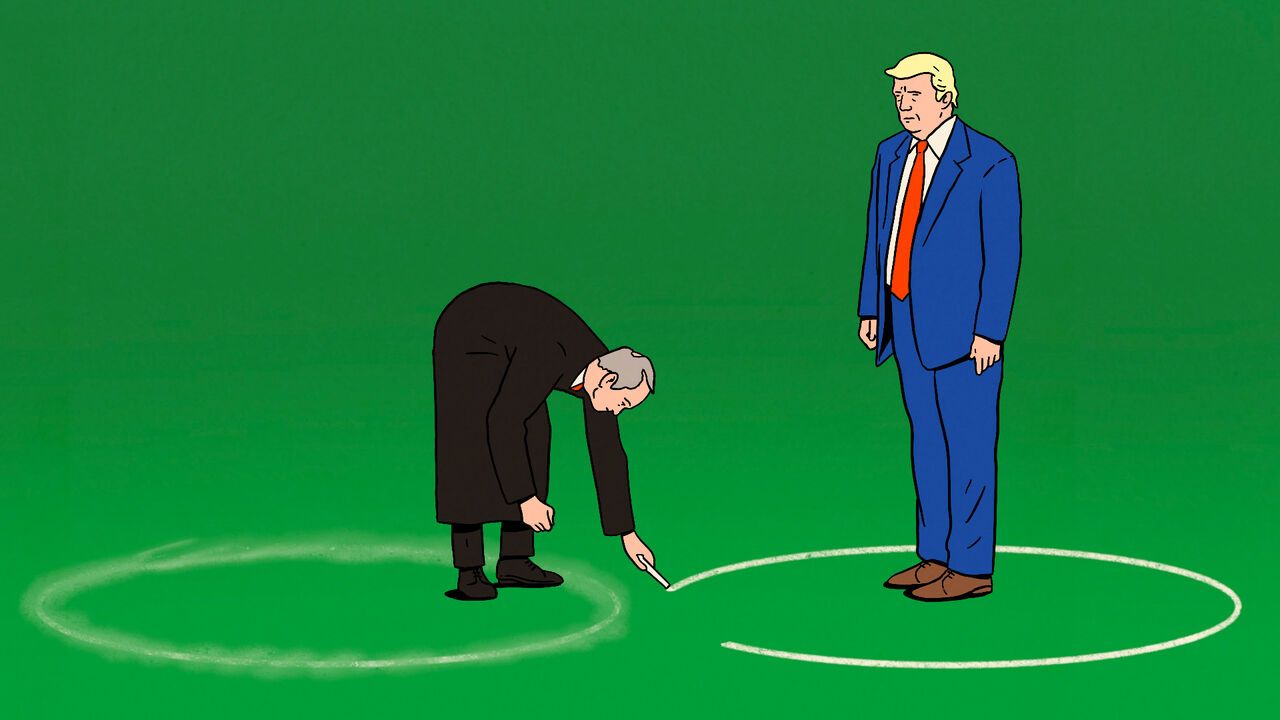
One of Donald Trump’s most enduring(持久的,耐久的) legacies will be his imprint on the Supreme Court. In his first term he appointed three justices—Neil Gorsuch, Brett Kavanaugh and Amy Coney Barrett—creating a 6-3 conservative majority. The court has since delivered a series of landmark rulings cheered by the president and his supporters. The constitutional right to abortion is gone; affirmative action in university admissions has been curtailed; gun rights are more robust than ever before; and former presidents now enjoy broad immunity for acts undertaken in office. More recently the court has provisionally blessed(暂时批准) Mr Trump’s policies on spending, immigration and the restructuring of the executive branch. The president has made it clear he thinks the conservative justices’ job is to advance his agenda; critics on the left accuse them of doing just that.(总统明确表示他认为保守派大法官的工作就是推进他的议程;左派批评者则指责他们正是这么做的。)
唐纳德·特朗普最持久的遗产之一将是他对最高法院的影响。在他的第一个任期内,他任命了三位大法官——尼尔·戈萨奇、布雷特·卡瓦诺和艾米·科尼·巴雷特——形成了6比3的保守派多数。此后,最高法院做出了一系列特朗普及其支持者欢呼的里程碑式裁决。宪法赋予的堕胎权不复存在;大学招生中的平权行动被削减;持枪权比以往任何时候都更强大;前总统现在对其在任期间的行为享有广泛的豁免权。最近,法院暂时批准了特朗普在支出、移民和行政机构重组方面的政策。总统明确表示他认为保守派大法官的工作就是推进他的议程;左派批评者则指责他们正是这么做的。
Yet a closer look at the court’s current term—at both the decisions already handed down(宣布(裁决)) and those still to come—suggests a more complicated picture. On several occasions the justices have shown themselves willing to rule against the president when he has clearly crossed statutory(法定的,成文法的) or constitutional boundaries. At the same time, in cases that will shape the structure of American government and the conduct of politics, the court is moving to the right—often in ways that benefit Mr Trump. In effect, the court of Chief Justice John Roberts shows how difficult it has become to disentangle conservatism from Trumpism.(实际上,首席大法官约翰·罗伯茨领导下的法院表明,将保守主义与特朗普主义区分开来已变得多么困难。) That, in turn, is making it harder for the court to sustain its reputation as an institution above politics.
然而,仔细审视最高法院当前的任期——无论是已经做出的裁决还是即将做出的裁决——揭示出更复杂的图景。在几次场合,大法官们表明,当总统明显跨越法定或宪法界限时,他们愿意做出不利于他的裁决。与此同时,在那些将塑造美国政府结构和政治运作的案例中,法院正在右倾——往往以有利于特朗普的方式。实际上,首席大法官约翰·罗伯茨领导下的法院表明,将保守主义与特朗普主义区分开来已变得多么困难。这反过来又使法院更难维持其超政治的机构声誉。
The court does not reliably rule in Mr Trump’s favour. Earlier this term it delivered its most forceful check on the president, ruling 6-3 that his “Liberation Day” tariffs were not authorised(授权,批准) under the International Emergency Economic Powers Act. Chief Justice Roberts pointed out that the act does not mention tariffs, and the constitution clearly gives the power to raise taxes to Congress, not the president. Mr Trump responded furiously. He called the ruling “a disgrace to the nation” and lashed out(猛烈抨击) at the justices in the majority—including two of his own appointees—describing them “fools and lapdogs(走狗,唯命是从者) for the RINOs [”Republicans in name only”] and the radical left Democrats”.
法院并非总是对特朗普有利。本任期早些时候,它做出了对总统最有力的制衡,以6比3裁定他的“解放日”关税未得到《国际紧急经济权力法》授权。首席大法官罗伯茨指出,该法案未提及关税,而宪法明确将征税权赋予国会而非总统。特朗普愤怒回应。他称该裁决是“国家的耻辱”,并猛烈抨击多数方的大法官——包括他自己的两位任命者——称他们是“名义上的共和党人和激进左派民主党的傻瓜和走狗”。
Consolation prizes
安慰奖
Race to judgment
竞相审判