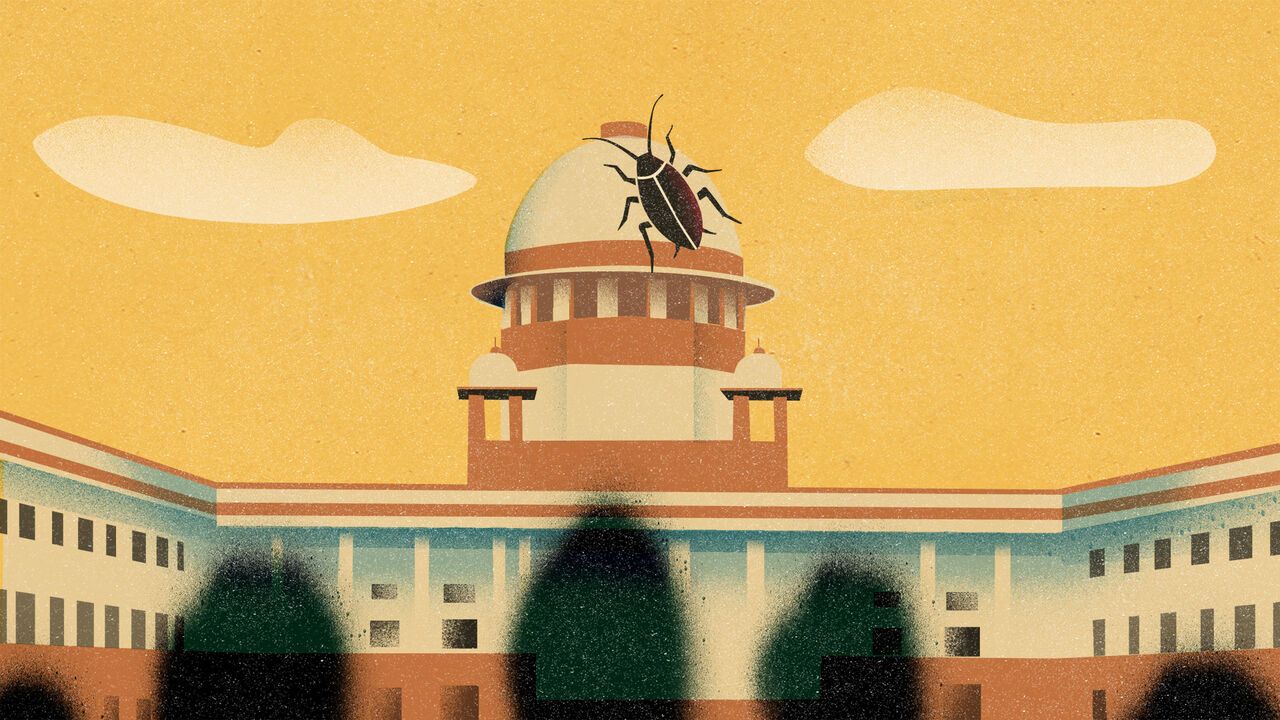
LET ME TELL you how to identify an Indian uncle. A dead giveaway(明显的暴露) is the phrase “let me tell you”. It is inevitably followed by a thesis on what really ails(困扰,使痛苦) the country. Another hallmark(标志,特征) is unsolicited advice, veering from career counselling (“only girls study literature”) to dietary prescriptions (“eat five soaked almonds to build immunity”). But the defining feature of the Indian uncle is his bottomless disdain(蔑视,鄙视) for the youth of today: feckless(无能的,不负责任的) phone-addled(被手机搞糊涂的) softies(软弱的人), the lot of them. They need discipline.
我来告诉你如何识别一位印度大叔。一个明显的标志就是“让我告诉你”这个短语。这句话后面必然跟着一篇关于国家真正弊病的论文。另一个特征是主动提供建议,从职业指导(“只有女生才学文学”)到饮食处方(“每天吃五颗泡过的杏仁以增强免疫力”)无所不包。但印度大叔最显著的特点是对当今年轻人无底线的蔑视:一群无能的、被手机搞糊涂的软蛋。他们需要纪律。
The uncle reigns supreme(占据至高地位) across India’s divides of religion, caste and language. He earns his radioactive(放射性的,极具攻击性的) confidence through the simple act of reaching middle age, thereupon instantly gaining omniscience(全知,无所不知). But despite proselytising(传教,宣扬主张) the Way of the Uncle(大叔之道) on WhatsApp, his authority extends only to his own circle. The uncles who run India, however, know no such boundaries. They inflict(强加(痛苦等)) their fossilised(石化的,僵化的) notions upon the nation. India is a republic of the uncles, by the uncles, for the uncles.
这位大叔在印度跨越宗教、种姓和语言的分歧而占据至高地位。他的放射性自信仅通过到达中年这一简单行为而获得,并随即获得全知全能。但是,尽管在WhatsApp上宣扬“大叔之道”,他的权威仅延伸至自己的小圈子。然而,掌管印度的大叔们则不知这样的界限。他们把石化了的观念强加于国家。印度是一个大叔的共和国,由大叔统治,为大叔服务。
Thus does the country produce such infantilising(使幼稚化的) policies as Gujarat’s plan to require parental sign-off(父母签字同意) before adult couples can legally marry. Or Goa’s mandatory uniforms(强制校服) for adult students at its public colleges. Or Delhi, where adults can vote at 18 and marry at 21 but cannot enjoy a beer until they are 25.
因此,这个国家产生了这样幼稚化的政策:古吉拉特邦计划要求成年夫妇在合法结婚前必须获得父母签字同意;果阿邦的公立大学要求成人学生穿校服;德里则规定成年人18岁可以投票、21岁可以结婚,但直到25岁才能喝啤酒。