It was late March 2026. The war in Iran was raging(激烈的;肆虐的). Donald Trump had threatened to destroy Iran’s power plants. Newspapers across the world raced to cover(封面;覆盖物) this. Not Country Life. The British magazine instead offered a cover with two lambs on it and, inside, a feature on “The chickens that lay our favourite eggs”. It was similarly off-news(远离新闻的) for the outbreak of the covid-19 pandemic (its cover had a lovely picture of a thatched cottage) and of the Ukraine war (a lovely picture of the coast). The second world war was marginally(稍微;勉强地) more newsy(新闻多的;有新闻价值的). On September 16th 1939 the magazine offered: “Golf—The Game in War-Time”.
那是2026年3月底。伊朗战争正激烈进行。唐纳德·特朗普威胁要摧毁伊朗的发电厂。世界各地的报纸争先报道此事。《乡村生活》却没有。这本英国杂志反而在封面上刊登了两只羊羔,内页则是一篇题为“为我们提供最爱鸡蛋的鸡”的特写。同样,在新冠疫情爆发时,它也远离新闻(封面是一张可爱的茅草屋图片),在乌克兰战争时(封面是一张可爱的海岸图片)。二战时它勉强多了些新闻性。1939年9月16日,杂志提供了:“高尔夫——战时的游戏。”
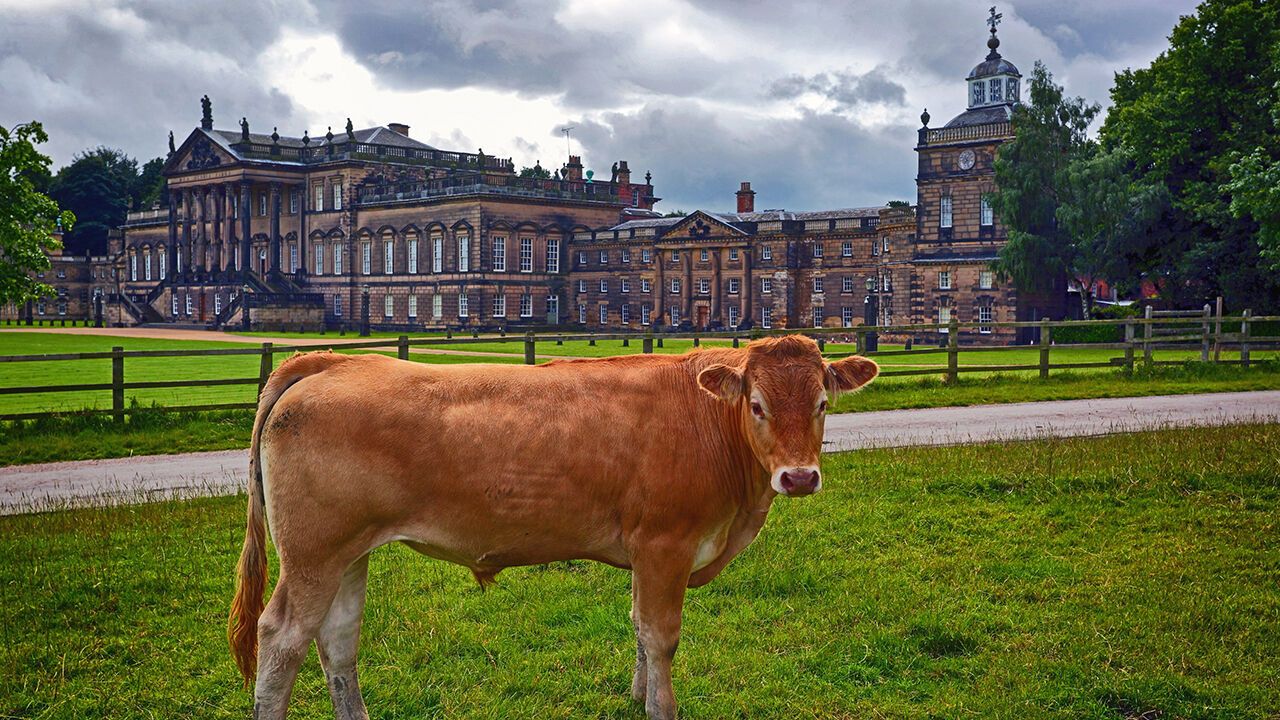
Britain offers two kinds of country life. There is “country life”, the simple act of living in the country. Then there is Country Life, an upper-case(大写字母的), upper-class magazine that is related to country living (it feature(以……为特色;刊载)s a lot of cows) but that is also very different (it features a lot of country houses and croquet lawn(槌球草坪)s).
英国有两种乡村生活。一种是“country life”,即简单的乡村居住行为。另一种是《乡村生活》,一本大写字母的、上流社会的杂志,它与乡村生活有关(刊登很多牛),但又非常不同(刊登很多乡村别墅和槌球草坪)。
Country Life is less a mere publication than an institution(制度;惯例;机构). British novelists satirise(讽刺;讥讽) it. British landmarks are sold in it (in 1915 Stonehenge(① 背景:巨石阵位于英格兰威尔特郡,是新...) was flogged(出售(尤指快速或廉价地)) for £6,600, or £602,340 in today’s money). British royalty reads it: Charles is a fan. The other British royal family, the Beckhams, rather like it, too: David reads it from cover to cover. It is, like the royals, surprisingly popular; 40,000 buy it each week.
《乡村生活》与其说是一份出版物,不如说是一种体制。英国小说家讽刺它。英国地标通过它出售(1915年巨石阵以6600英镑售出,相当于今天的602,340英镑)。英国王室阅读它:查尔斯是粉丝。另一个英国王室家庭——贝克汉姆一家——也很喜欢它:大卫从头读到尾。它就像王室一样,出人意料地受欢迎;每周有4万人购买。
Featuring Harriets and Camilla
封面哈丽特们与卡米拉