One stereotype held by foreigners about Americans is that they are irritatingly(令人烦恼地,烦人地) upbeat. Picture a stranger ordering you to have a nice day, or a family declaring everything to be “so great” while exploring a drizzly, midge-infested Scottish ruin—there is only one nationality they could possibly be. This cliché is misleading, though. Americans are generally cheerful. But even in the country’s brightest moments many of them have been struck by a kind of dread about it all unravelling. “Democracy never lasts long,” wrote the second president, John Adams, in 1814. “It soon wastes, exhausts and murders itself.”(“民主不会长久,”第二任总统约翰·亚当斯在1814年写道。“它很快就会浪费、耗尽并谋杀自己。”) That sentiment is widespread as the country turns 250.
外国人对美国人的一个刻板印象是他们乐观得烦人。想象一个陌生人命令你"祝你今天愉快",或者一个家庭在探索潮湿多蚊的苏格兰废墟时宣称一切都"太棒了"——他们只可能是一个国籍的人。然而这个陈词滥调具有误导性。美国人总体上开朗,但即使在国家最光明的时刻,许多人也被一种对一切分崩离析的恐惧所击中。"民主不会长久,"第二任总统约翰·亚当斯在1814年写道,"它很快就会浪费、耗尽并谋杀自己。"在美国迎来250岁生日时,这种情绪普遍存在。
America is feeling nostalgic as well as pessimistic on its semiquincentennial(250周年纪念). In the country that has been inventing the future since 1776, nearly half of the population say they would rather live in the past. Most young Americans do not expect to be better off than their parents. Meanwhile, on many objective measures, the country is doing better than ever. After a dip caused by opioid overdoses and covid-19, life expectancy is back to the highest level in history. The economy has been growing robustly(强劲地,稳健地), unlike in other Western countries. Income inequality after taxes is lower than it was a decade ago. American firms are pre-eminent in artificial intelligence, biomedicine, entertainment and space technology. The Kennedy Centre is getting its name back.
在250周年之际,美国既感到怀旧又悲观。在这个自1776年以来一直创造未来的国家,将近一半的人口表示他们宁愿生活在过去。大多数年轻美国人预计不会比父母过得更好。与此同时,在许多客观指标上,国家比以往任何时候都好。在因药物过量死亡和新冠疫情导致下降后,预期寿命恢复到历史最高水平。经济一直强劲增长,与其他西方国家不同。税后收入不平等程度低于十年前。美国企业在人工智能、生物医学、娱乐和太空技术领域出类拔萃。肯尼迪中心正在恢复其原名。
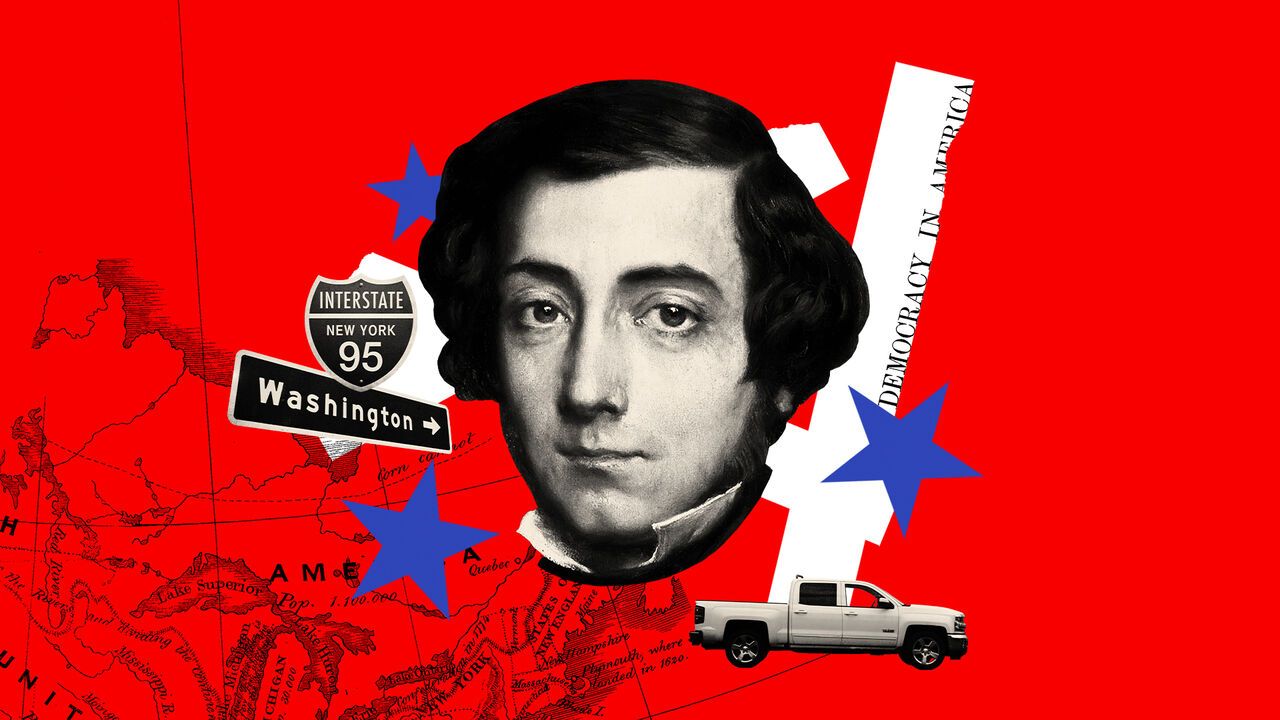
The distance between the data and the vibes is the central puzzle of the United States in the 2020s. Exploring that was the impulse behind the making of a new podcast we are launching this week to celebrate this spectacular country on its big birthday. The six-part series is a road trip in the company of Alexis de Tocqueville, a French aristocrat who loved the place and wrote a prescient book about it in the 1830s, “Democracy in America”. This road trip took The Economist from New York’s aristocracy to a maximum-security prison in the Hudson Valley; from a fight over a data centre in rural Michigan to Harvard University; and from a sheriff’s office in Ohio to Donald Trump’s court in Palm Beach, via plenty of other places. Wherever possible, we spoke with the same sorts of people Tocqueville did, to compare America then and now.
数据与感受之间的差距是2020年代美国的中心谜题。探索这一差距是我们本周推出新播客的冲动,旨在庆祝这个壮观国家的盛大生日。这个六集系列是一次与阿列克西·德·托克维尔同行的公路旅行,托克维尔是一位热爱美国的法国贵族,在1830年代写了一本有先见之明的书《论美国的民主》。这次公路旅行将《经济学人》从纽约的贵族阶层带到哈德逊河谷的一所最高安全级别监狱;从密歇根农村数据中心之争到哈佛大学;从俄亥俄州警长办公室到棕榈滩特朗普的法庭,途中还有许多其他地方。只要可能,我们就与托克维尔当年采访过的同类人交谈,比较美国的今昔。