HUNDREDS OF YEARS ago Peruvian fishermen noticed that, every few years, the anchovies(凤尾鱼;鳀鱼) in the equatorial(赤道的) Pacific Ocean would vanish(消失;突然不见). Since the disappearances happened around Christmas, they named the event after el niño Jesus(圣婴耶稣)— “the Christ child”.
数百年前,秘鲁渔民注意到,每隔几年,赤道太平洋的凤尾鱼就会消失。由于这种消失发生在圣诞节前后,他们便以“圣婴耶稣”命名这一事件。
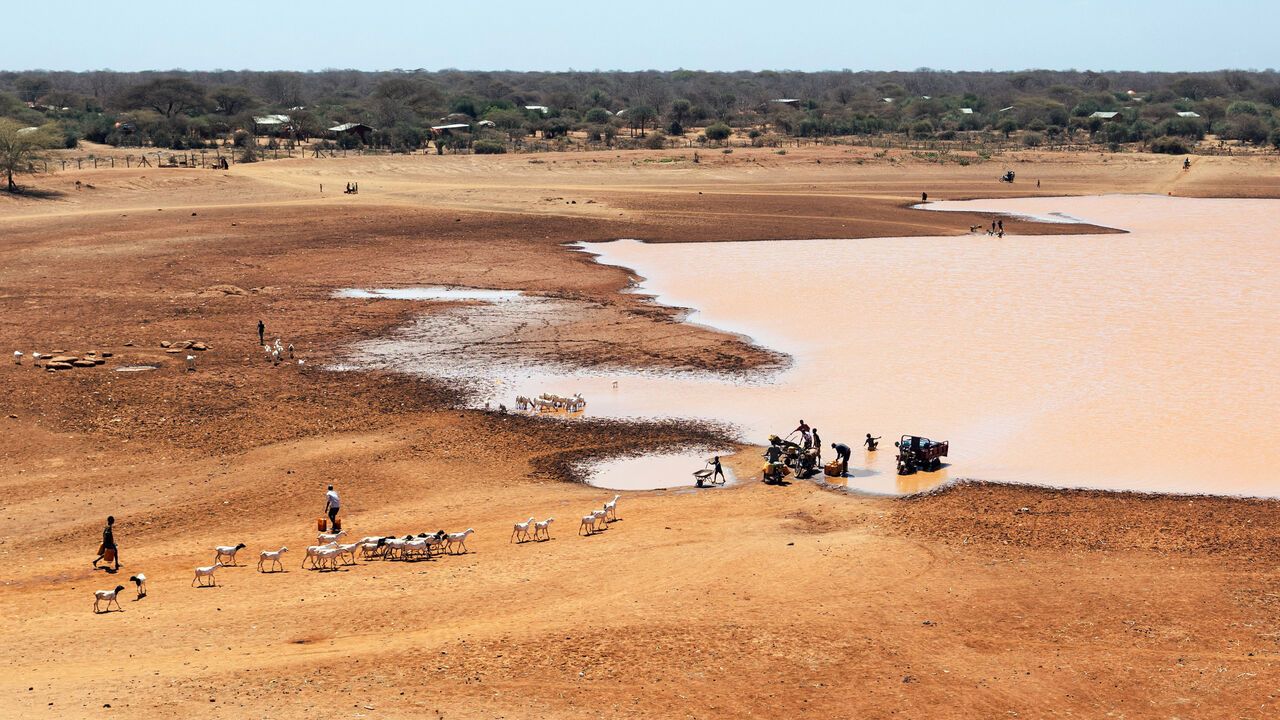
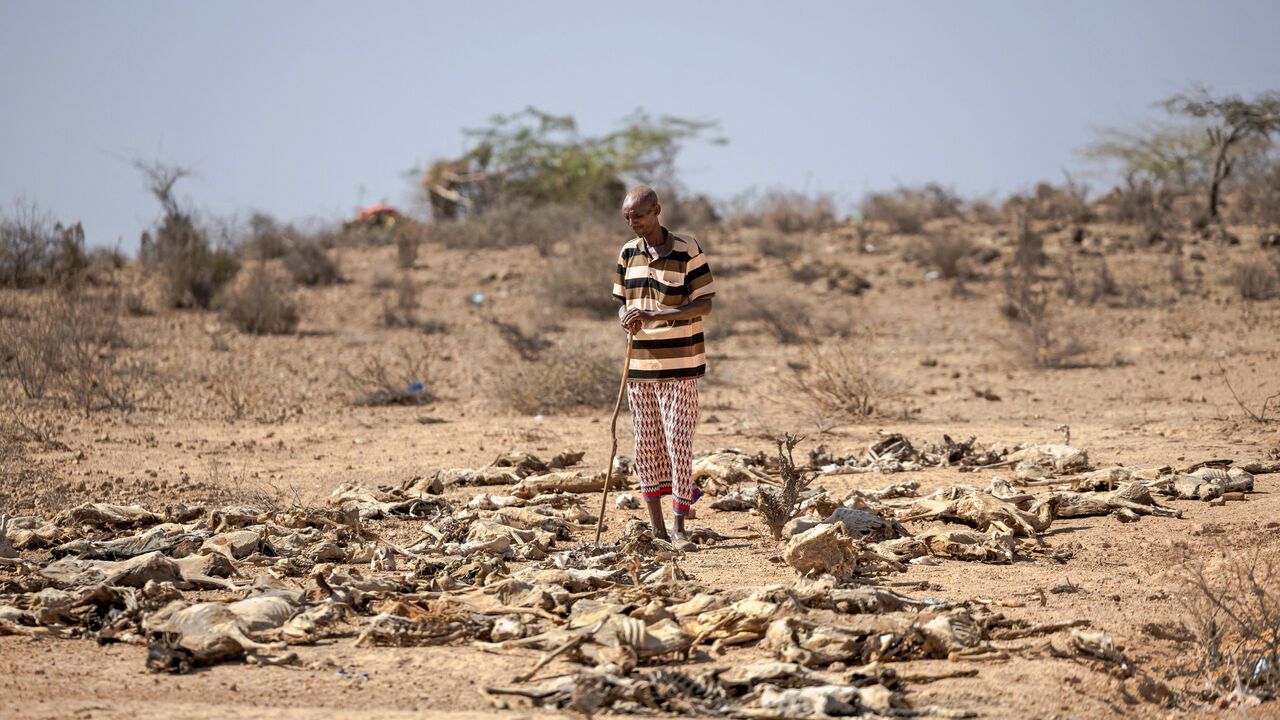
These days the phenomenon, known simply as El Niño, is recognised as a recurring(反复出现的;周期性的) climatic pattern that alters the weather all over the world. It causes droughts in some places, heavy rain in others, heatwaves, wildfires and a general warming of the planet. On June 11th the National Oceanic and Atmospheric Administration, an arm of the American government, announced that a new El Niño had begun. And this one could be a whopper(巨大的事物;庞然大物).
如今,这个简称为厄尔尼诺的现象被公认为一种反复出现的气候模式,能改变全球各地的天气。它会造成一些地区干旱,另一些地区暴雨,引发热浪、野火,并导致全球整体变暖。6月11日,美国政府下属机构国家海洋和大气管理局宣布新一轮厄尔尼诺已经开始。而这一次可能规模巨大。
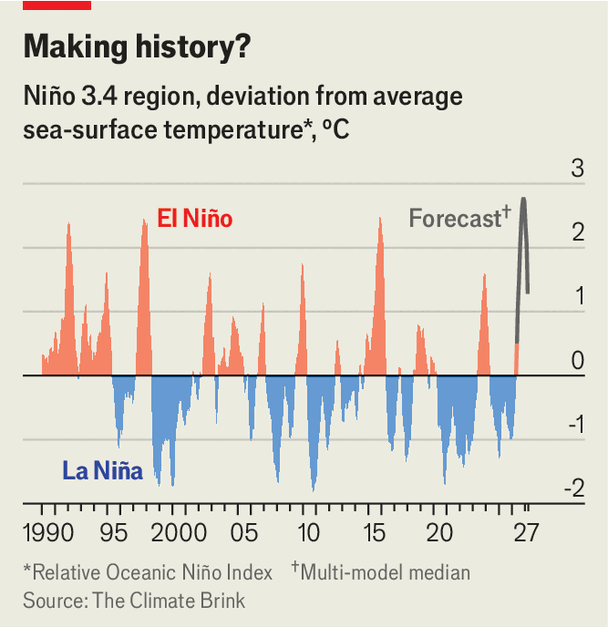
El Niño is driven by(由……驱动) a shift in the winds above the eastern Pacific, which draws a band of(一片;一带) warmer-than-average surface water into the “Niño 3.4” region (see map). The strength of any particular El Niño is measured by how much warmer the water gets. Anything above a 2°C rise over the long-run average is considered strong. Forecasts from most of the world’s modellers for the rest of this year and the first couple of months of 2027 suggest a rise in sea-surface temperatures of more than 2.5°C—and perhaps even 3°C. That would be unprecedented(前所未有的;史无前例的) in the 75 years for which scientists have been keeping records. (The current record is held by the 1982-83 El Niño, when water temperatures rose 2.5°C.)
厄尔尼诺是由东太平洋上方的风向转变驱动的,这种转变将一片较暖的表层海水汇集到“尼诺3.4”区域(见图)。每次厄尔尼诺的强度通过海水升温幅度来衡量。任何超过长期平均值2°C的升温都被认为是强事件。全球大多数模型的预测显示,从今年余下时间到2027年头几个月,海表温度将上升超过2.5°C,甚至可能达到3°C。这在科学界有记录的75年间将是前所未有的。(当前纪录由1982-83年厄尔尼诺保持,当时海水温度上升了2.5°C。)