AMERICAN INTELLIGENCE agencies are used to analysing chaos, but in recent weeks they have endured(忍受,经历) a different type of uncertainty. First there was the resignation, announced on May 22nd, of Tulsi Gabbard, the director of national intelligence (DNI). Then came Donald Trump’s move to replace her with Bill Pulte, a housing official with no national-security experience who used his access to mortgage records to support probes of(对...的调查) Mr Trump’s opponents. That prompted Democrats to declare that they would block the renewal of important spying powers until the president offered a better alternative.
美国情报机构习惯于分析混乱,但最近几周它们却经历了一种不同的不确定性。首先是5月22日宣布的国家情报总监图尔西·加巴德辞职。随后唐纳德·特朗普试图用比尔·普尔特取而代之,这是一位没有国家安全经验的住房官员,曾利用其访问抵押贷款记录的权限支持调查特朗普的对手。这促使民主党人宣布,他们将阻止重要间谍权力的续期,直到总统提出一个更好的替代方案。
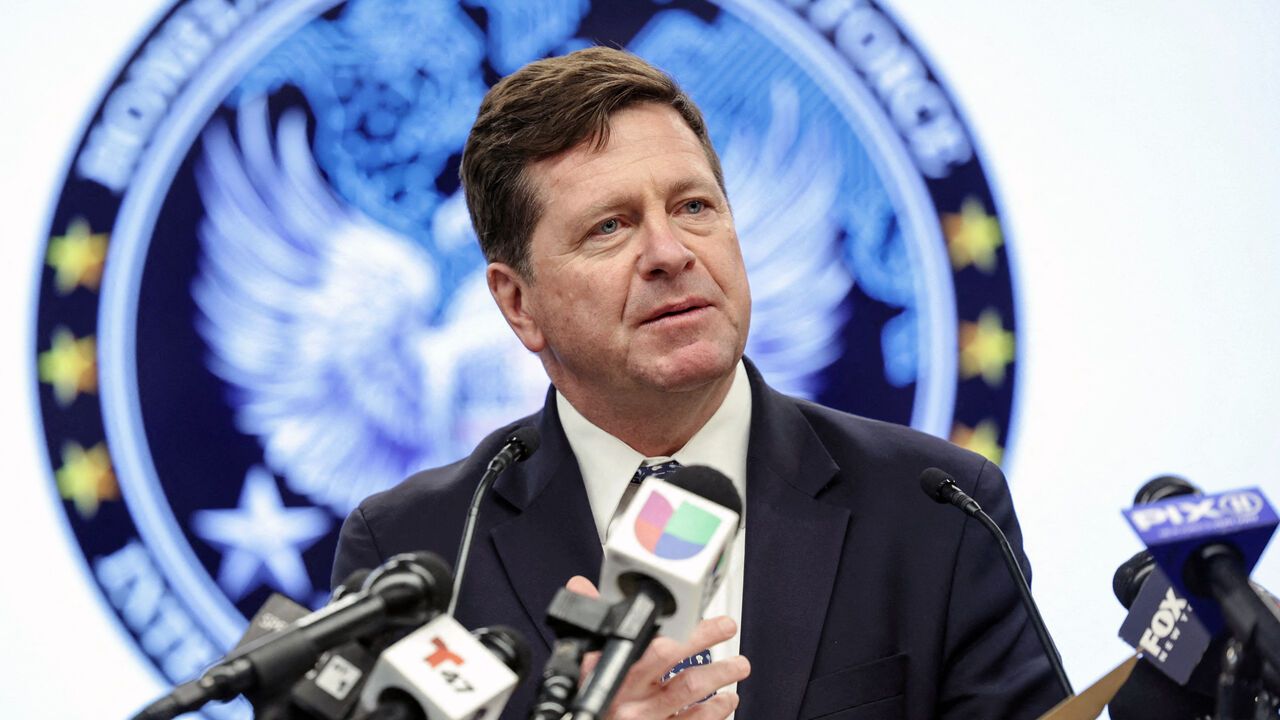
Mr Trump did so on June 11th, nominating Jay Clayton, the US attorney for the Southern District of New York. Mr Clayton is generally considered a more sober(稳重的,冷静的) choice than Mr Pulte. But on June 16th Mr Trump said Mr Clayton would not appear for a scheduled confirmation hearing, and that a deal on spying powers would depend on yet another political fight, over voter-identification requirements. As is so often the case with Mr Trump, these theatrics(戏剧性行为) obscure broader questions, on the scope of surveillance powers and the role of the DNI itself.
特朗普于6月11日这样做了,提名了纽约南区联邦检察官杰伊·克莱顿。克莱顿通常被认为是一个比普尔特更稳健的选择。但6月16日,特朗普表示克莱顿将不会出席预定的确认听证会,并且关于间谍权力的协议将取决于另一场政治斗争,即选民身份识别要求。正如特朗普经常做的那样,这些戏剧性表现掩盖了更广泛的问题,即监控权力的范围和国家情报总监本身的角色。
The spying authorities at issue were created in 2008, in an amendment to the decades-old Foreign Intelligence Surveillance Act (FISA)(《外国情报监视法》). Under Section 702 of the amended law, agencies could instead get approval for surveilling foreigners’ messages by providing a broad rationale—say, counter-terrorism—rather than obtaining individual warrants.
争议中的间谍权力是在2008年作为对已有数十年历史的《外国情报监视法》(FISA)的修正案而设立的。根据修订后法律的第702条,情报机构可以通过提供广泛的理由——比如反恐——来获得监视外国人通信的批准,而无需获得单独的搜查令。
ODN-bye
ODN再见