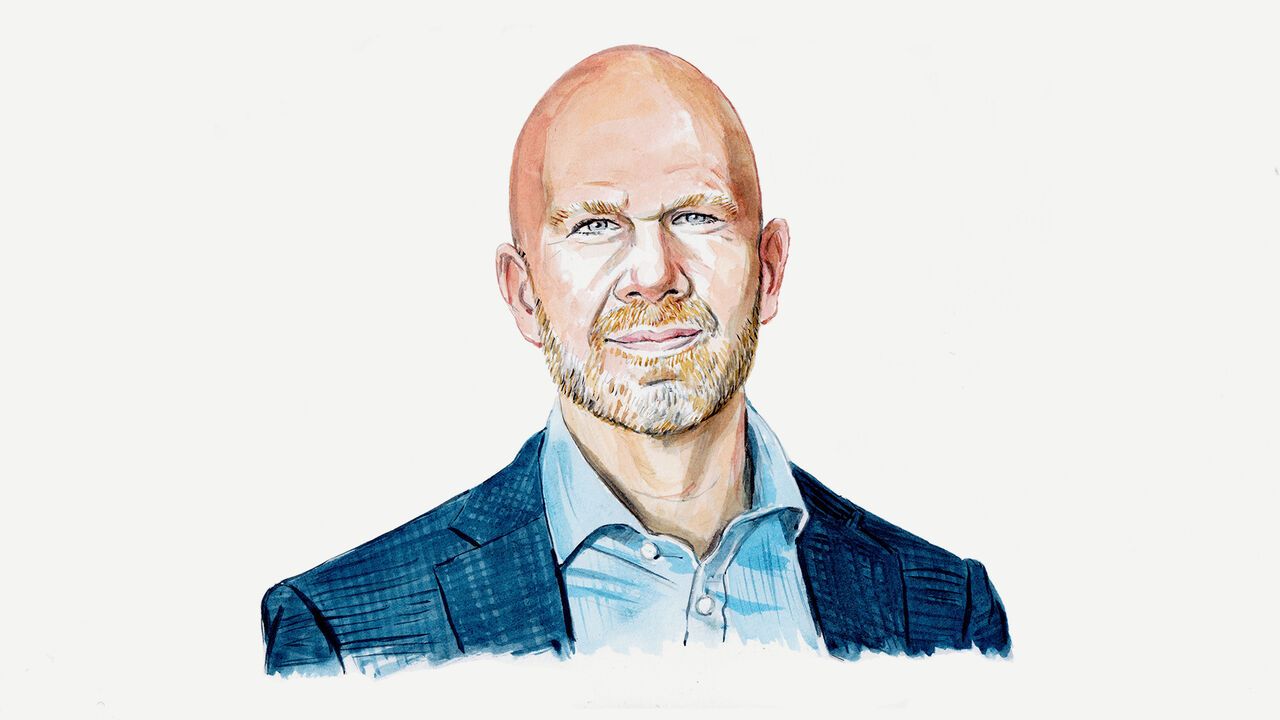
WHAT WERE the 1990s? On one side were the wry cynicism(讽刺犬儒主义) of “Friends”, “The Simpsons” and “Seinfeld”, the angst(焦虑、不安) of Seattle grunge and a scandal-prone(丑闻频发的) White House. On the other were a surging(飙升的、激增的) stock market, the internet boom and the first sustained(持续的) federal budget surplus since the 1920s. The personification(化身、人格化) of these contradictions was not Kurt Cobain, Jerry Seinfeld or Bill Clinton. It was Alan Greenspan, chairman of the Federal Reserve.
20世纪90年代是什么样?一方面是《老友记》《辛普森一家》和《宋飞正传》中的讽刺犬儒主义、西雅图垃圾摇滚的焦虑,以及丑闻缠身的白宫。另一方面是飙升的股市、互联网繁荣以及自20世纪20年代以来首次持续的联邦预算盈余。这些矛盾的化身不是科特·柯本、杰瑞·宋飞或比尔·克林顿,而是美联储主席艾伦·格林斯潘。
Greenspan, who has died aged 100, leaves behind a legacy so complex that historians will spend decades parsing(解析、仔细分析) it. He helped usher in(引领、开创) prosperity: low inflation, high growth and American economic might(力量、实力) in a post-cold-war world. He also did too little to discipline financial markets that learned to bet the Fed would bail them out, allowing them to privatise gains and socialise losses(收益私有化、损失社会化).
享年100岁的格林斯潘留下的遗产如此复杂,历史学家将花费数十年去解析。他帮助迎来了繁荣:低通胀、高增长以及后冷战时代美国的经济实力。但他也未能有效约束金融市场,这些市场学会了押注美联储会出手相救,从而允许它们将收益私有化、损失社会化。
That legacy is familiar. Another is just as important, both an invitation and a warning to central bankers who must lead in his wake(在他之后、继他而来). More than a forecaster, a central banker, a strident(激进的、强硬尖锐的) libertarian, Greenspan was a politician. He mastered the art of guiding the Fed through political thickets(政治困境/政治丛林). He also dragged it into maelstroms(大漩涡、混乱) where it did not belong.
这一遗产为人熟知。另一个同样重要,既是对继他之后领导央行的银行家们的邀请,也是一种警告。格林斯潘不仅仅是一位预测者、一位央行行长、一位激进的自由意志主义者,他还是一位政治家。他精通引导美联储穿越政治丛林的技艺。他也把它拖入了不属于它的漩涡。