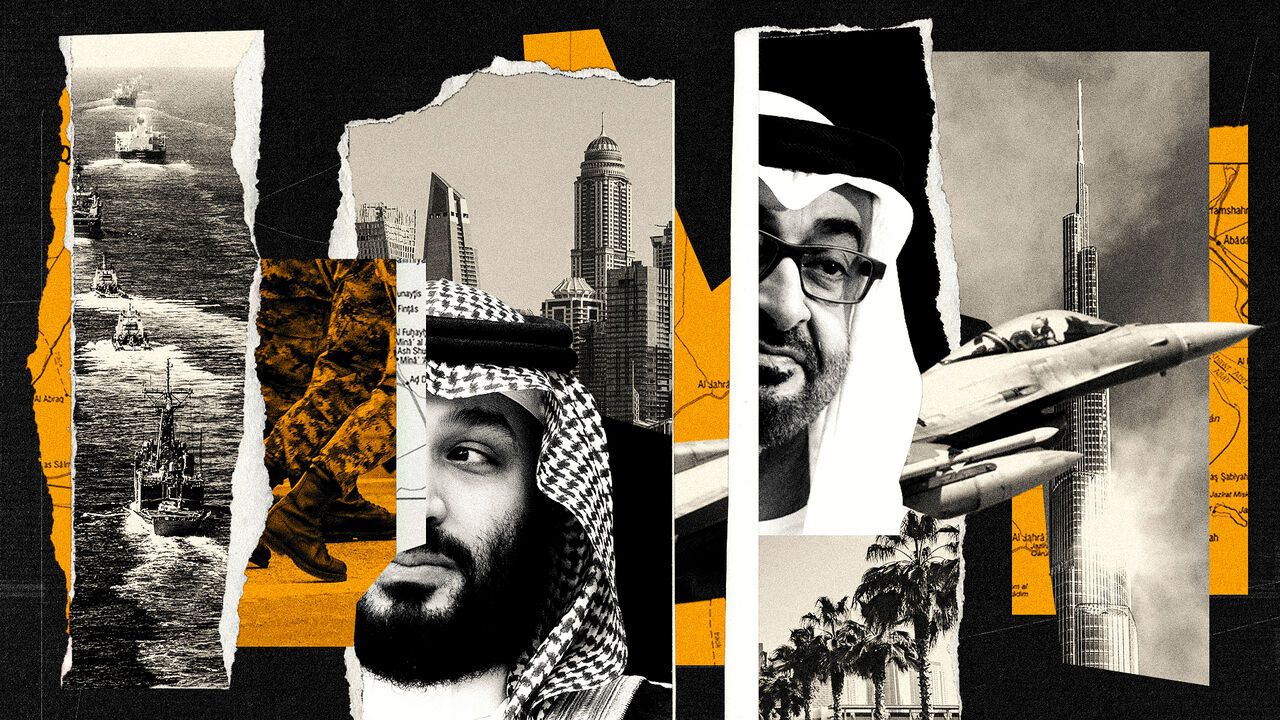
GULF RULERS are no strangers to(对...不陌生) disruption. The region’s petrostates(石油国家(靠石油出口为生的国家)) prospered from an oil shock(石油冲击(油价骤变引发的经济震荡)) in 1973. The revolution in Iran, six years later, led most of them to seek American protection. The recent war against Iran was unsettling(令人不安的), too. But, as Donald Trump offers remarkably generous peace terms, the post-war dealmaking(战后交易) alarms(使警觉;使担心) them even more. The next months will see old certainties upended. How can the region cope?
海湾统治者对动荡并不陌生。该地区的石油国家从1973年的石油冲击中获利。六年后伊朗革命促使他们中的大多数寻求美国保护。最近对伊朗的战争也令人不安。但是,当唐纳德·特朗普提出异常慷慨的和平条款时,战后的交易更令他们警觉。未来几个月里,旧有确定性将被颠覆。该地区该如何应对?
The Gulf is not only the world’s most important petrol station(加油站(比喻)). Its airports are also global hubs for passenger travel, cargo and other logistics. Its financial centres are gaining increasing clout(影响力;势力). Many wealthy expats have become hooked on(对...上瘾) low taxes and brilliant sunshine. But all that requires a bubble of security(安全泡沫) in an otherwise unstable region.
海湾不仅是世界上最重要的加油站。其机场也是客运、货运和其他物流的全球枢纽。其金融中心影响力日益增强。许多富有的外籍人士已沉迷于低税率和灿烂的阳光。但这一切都需要在一个原本不稳定的地区建立一个安全泡沫。
Iran threatens to pop it. It now has a chokehold(遏制;牢牢控制) over the Strait of Hormuz and expects to levy fees(征收费用), perhaps disguised as compulsory insurance charges, on tankers that pass through it. Iran could earn billions of dollars a year from this. The efforts of consuming countries to wean their economies off oil(使经济摆脱对石油的依赖) could also pose a problem for the Gulf states.
伊朗威胁要戳破它。它现在牢牢控制着霍尔木兹海峡,并打算对过往油轮征收费用,可能伪装成强制保险费。伊朗每年可从中赚取数十亿美元。消费国努力使经济摆脱对石油的依赖,也可能给海湾国家带来问题。