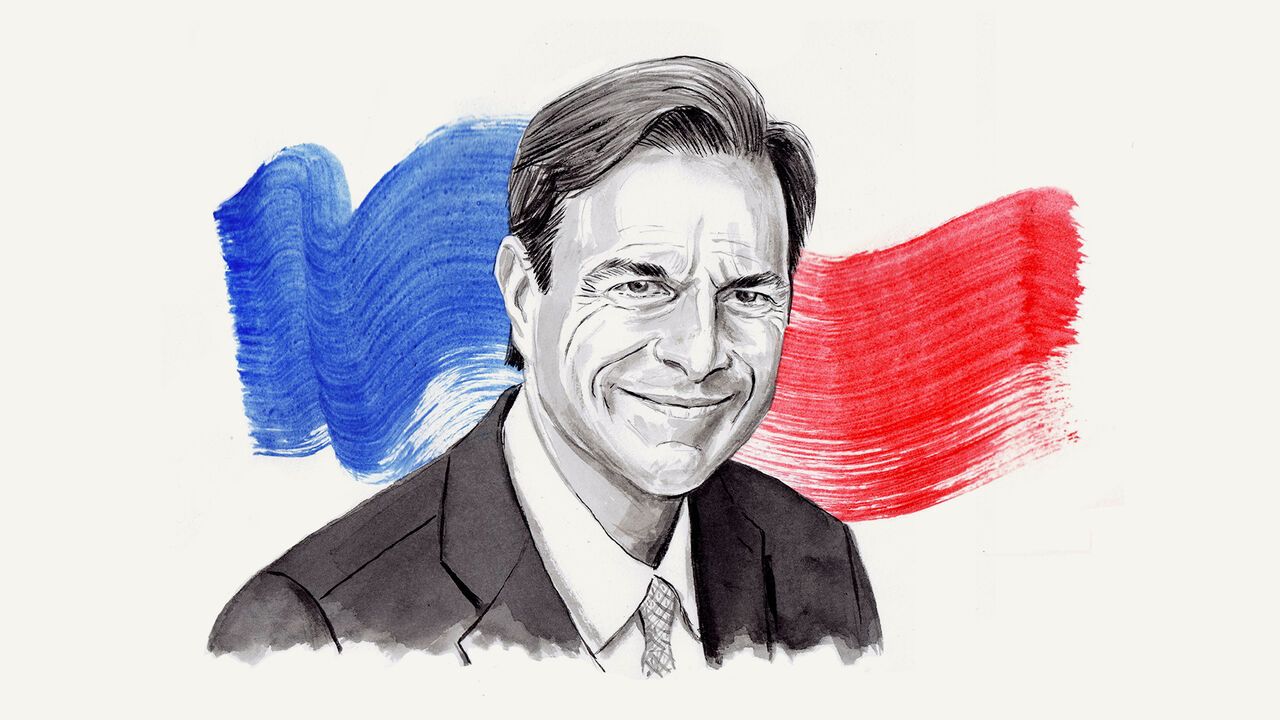
LAST MONTH I gave the main commencement speech(毕业典礼演讲) at the University of Pennsylvania in Philadelphia, where 250 years ago our founders signed the Declaration of Independence. They were a jubilant(欢欣鼓舞的) and friendly crowd, with one exception I was later told about: when I praised our country’s rule of law a man sprang furiously to his feet, thrust a middle finger at(竖中指) me and stormed out of(愤怒冲出) the arena.
上个月,我在费城宾夕法尼亚大学的毕业典礼上发表了主要演讲,250年前我们的开国先贤正是在这里签署了《独立宣言》。当时听众兴高采烈、友好热情,但后来我得知有一例外:当我赞扬我们国家的法治时,一名男子愤怒地跳起来,向我竖中指,然后冲出了会场。
Such is America in 2026. We are enveloped(被笼罩、包围) by anger, polarisation and fear. Before we get too hyperbolic(夸张的) about our current national predicament(困境、窘境), it is worth noting that America has endured grave(严重的、重大的) crises before. But what has repeatedly sustained it is adherence(坚持、遵守)—however imperfect—to certain shared founding principles.
这就是2026年的美国。我们被愤怒、极化和恐惧所笼罩。在我们对当前国家困境过于夸张之前,值得指出的是,美国之前也曾经历过严重危机。但一再支撑它的是对某些共同建国原则的坚持——尽管并不完美。
During his inaugural address(就职演说) in 1933, at the nadir(最低点、低谷) of the Great Depression, Franklin Roosevelt said of the nation’s troubles: “They concern, thank God, only material things.” It is painful to note that, in contrast, today’s society suffers not only from inequality in “material things” but from declining faith in some of the most basic tenet(信条、原则)s that the founders exalted(推崇、赞扬) in their debates over the constitution. For much of America’s history, its citizens accepted these so widely that they were almost boilerplate(陈词滥调、标准文本). But some of the earliest, most sacred ideas are almost radioactive(有辐射性的;敏感的、危险的) in America now.
1933年,在大萧条最低谷时期,富兰克林·罗斯福在他的就职演说中谈及国家困境时说:“谢天谢地,它们只涉及物质方面。”令人痛心的是,相比之下,当今社会不仅在“物质方面”存在不平等,而且对开国先贤在制宪辩论中所推崇的一些最基本信条也日益丧失信仰。在美国历史的大部分时期,公民对这些信条的接受程度如此广泛,以至于它们几乎成了陈词滥调。但现在,一些最早、最神圣的理念在美国几乎变成了敏感话题。