WAR LEAVES behind economic wreckage.(战争留下经济残骸。) Over the past four months it has caused $600bn-worth of damage to Iran, according to the IMF(国际货币基金组织), and up to 7% of the workforce have lost their jobs. The economies of Iran’s richer Gulf neighbours have shrunk and the conflict may knock two percentage points off GDP(国内生产总值) growth in the broader Middle East this year.
战争留下经济残骸。据国际货币基金组织称,过去四个月给伊朗造成了价值6000亿美元的损失,高达7%的劳动力失业。伊朗较富裕的海湾邻国的经济萎缩,冲突可能使今年整个中东地区的GDP增长率降低两个百分点。
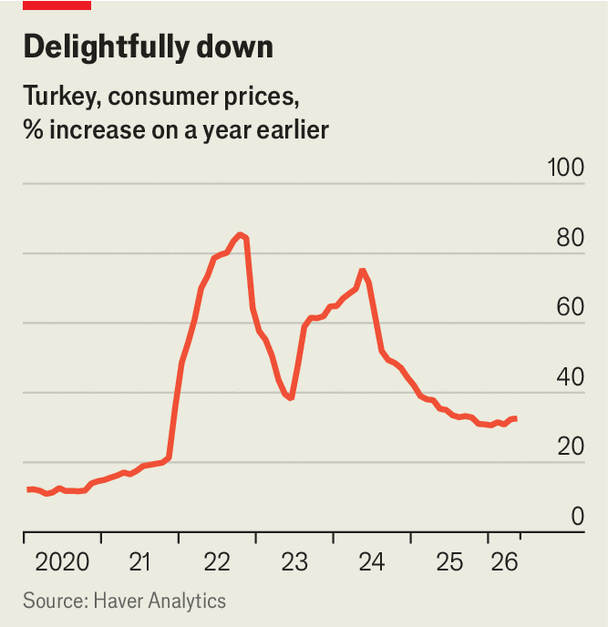
For Turkey, a large economy perched(位于,栖息) between the volatile(动荡的,易变的) region and Europe, the fighting in the Gulf has been a mixed blessing(祸福兼有之事). Soaring oil prices pushed monthly inflation above 4% in April for only the second time in a year. The central bank burned through(迅速消耗) more than half of foreign reserves propping up the lira(里拉(土耳其货币)). Yet trouble next door is also an opportunity. “The Gulf has lost a lot of business in the past few months,” says a finance-ministry official, “and we think we could take some of it.”
对于土耳其这个坐落在动荡地区与欧洲之间的大型经济体来说,海湾战争是福祸兼有之物。飙升的油价使4月份月度通胀率超过4%,仅一年内的第二次。央行消耗了超过一半的外汇储备来支撑里拉。然而,邻国的麻烦也是机遇。“海湾在过去几个月失去了大量业务,”一位财政部官员说,“我们认为我们可以接管其中一部分。”
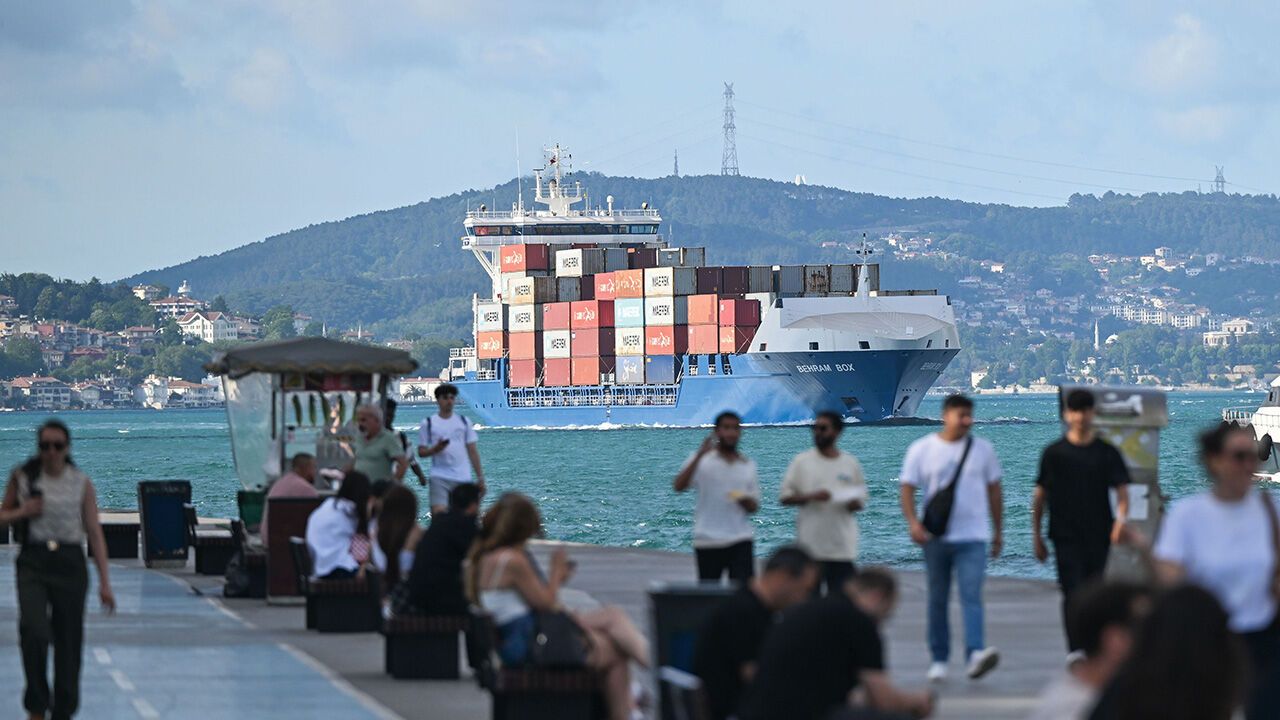
Istanbul, and Turkey more broadly, is already becoming a commercial roundabout(环形交叉口;枢纽) for business between Central Asia, the Middle East and Europe—shabbier(更破旧的) than the Gulf’s, but bustling(热闹繁忙的). Some shoppers browsing the boutiques in the city’s posh Nisantasi neighbourhood say they would be in Dubai were it not for the war.(一些在该市高档尼桑塔西街区逛精品店的购物者说,如果不是因为战争,他们本来会在迪拜。)
伊斯坦布尔,乃至整个土耳其,正成为中亚、中东和欧洲之间的商业枢纽——比海湾地区破旧,但热闹非凡。一些在该市高档尼桑塔西街区逛精品店的购物者说,如果不是因为战争,他们本来会在迪拜。