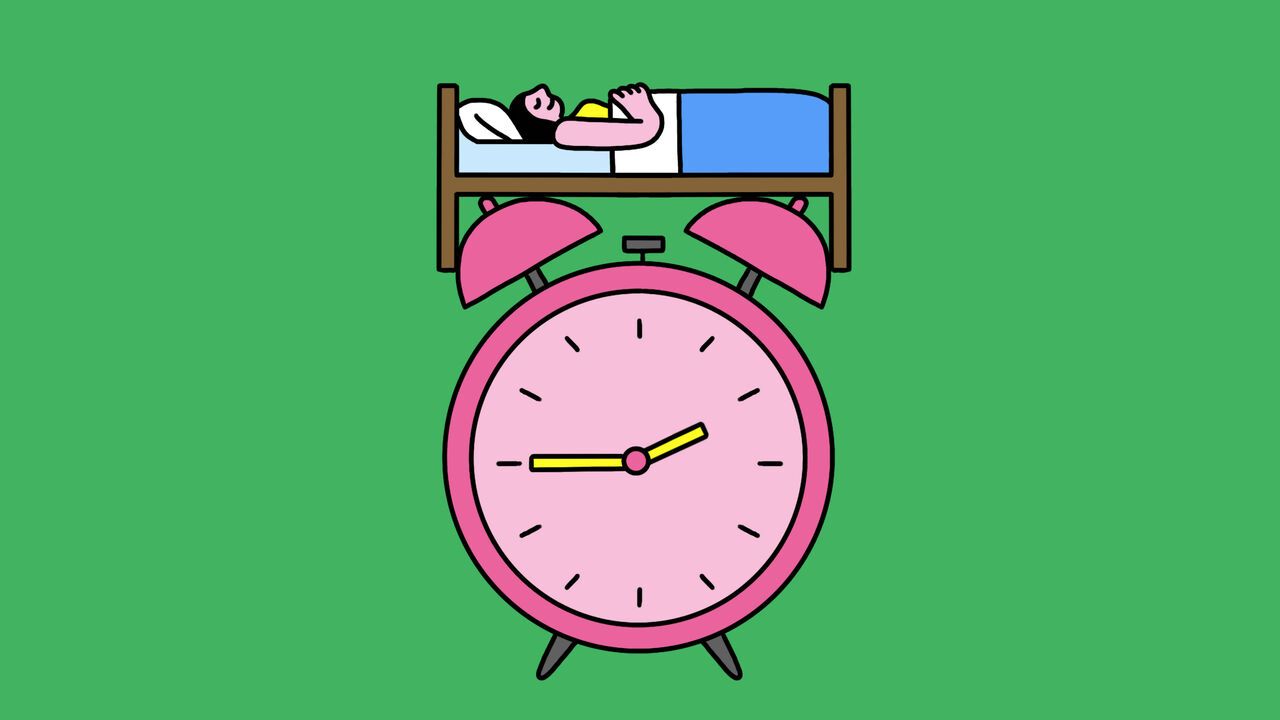
“EIGHT HOURS labour, eight hours recreation, eight hours rest,” said Robert Owen(罗伯特·欧文,社会改革家), a Welsh textile-maker, in 1817. His aim was a fairer(更公平的) work week, but the idea that sleeping eight hours a night is best has since become the received wisdom(公认的观点). Is it right?(这是正确的吗?)
“八小时劳动,八小时娱乐,八小时休息,”威尔士纺织制造商罗伯特·欧文在1817年这样说道。他的目标是更公平的工作周,但每晚睡八小时最好的观点从此成了公认的智慧。这正确吗?
Not getting enough kip(睡眠(口语)) can certainly be a problem. A bad night’s sleep can lead to a drop in cognitive abilities(认知能力), increased stress and general grumpiness(暴躁,坏脾气) the following day. Chronic sleep deprivation is associated with cognitive decline, psychiatric disorders and even an early death. But too much sleep may also be bad for you. The evidence suggests a U-shaped relationship(U型关系) between health and sleep duration, with both insufficient and excessive slumber(睡眠(较正式)) being worse than an optimal middle range(最佳中间范围).
睡眠不足当然会是个问题。一夜糟糕的睡眠会导致第二天认知能力下降、压力增加和普遍的暴躁情绪。慢性睡眠剥夺与认知衰退、精神疾病甚至早逝有关。但睡太多也可能对你有害。证据表明健康与睡眠时长之间存在U型关系,睡眠不足和睡眠过多都比最佳中间范围更糟。
In 2015 two big studies tried to work out(找出,确定) exactly where that range lies. The first, published in Sleep Health, assessed(评估,审查) 575 studies published between 2004 and 2014. For those aged 18-64, the recommended amount was between seven and nine hours a night, but that fell to(下降到) just seven or eight hours for those over 65. The second, published in Sleep, analysed 311 studies. It concluded that around seven hours of shut-eye(睡眠(口语)) was the best target(最佳目标), but noted uncertainty(不确定性) about the negative effects of regularly sleeping longer than nine hours.
2015年,两项大型研究试图精确找到那个范围。第一项发表在《睡眠健康》上,评估了2004年至2014年间发表的575项研究。对于18-64岁的人,建议量为每晚7到9小时,但对65岁以上的人则降至仅7或8小时。第二项发表在《睡眠》上,分析了311项研究。它得出结论说大约七小时的闭眼时间是最佳目标,但指出对于经常睡超过九小时的负面影响存在不确定性。