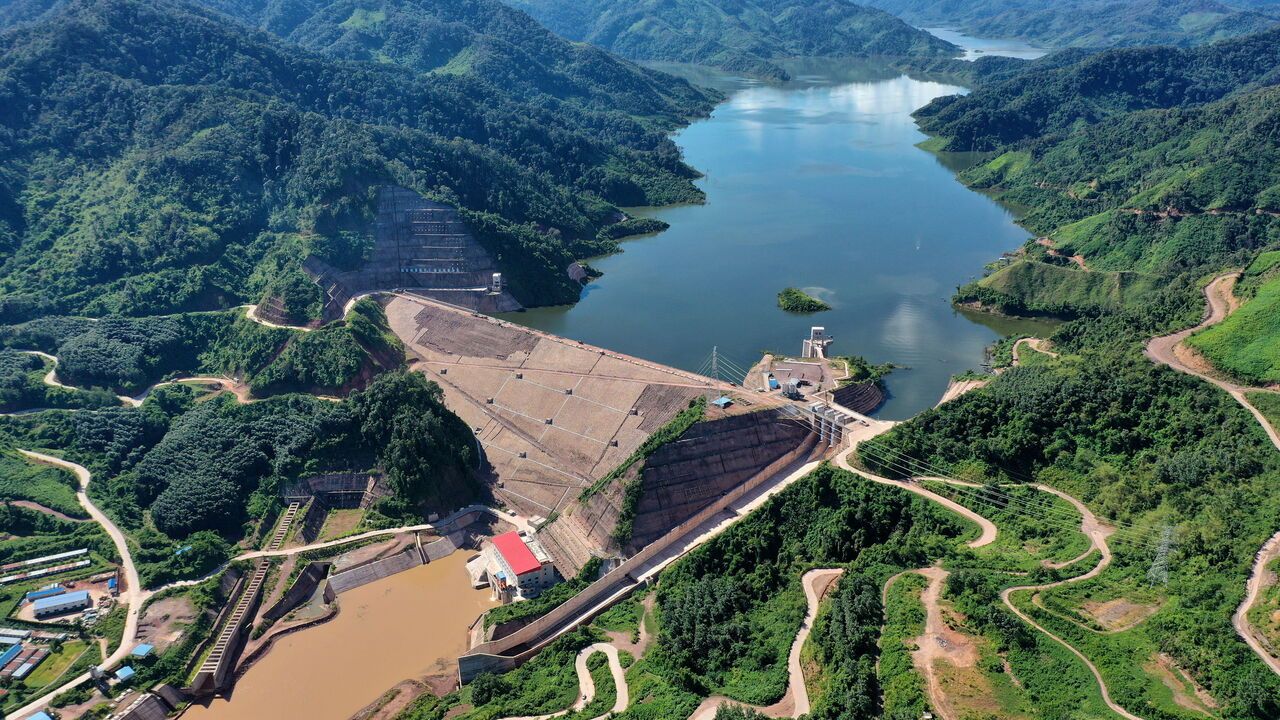
WITH ITS large ambitions for data centres and factories, South-East Asia needs energy. Last month the International Energy Agency estimated that the region would account for(占(比例)) a fifth of the increase in global power demand between now and 2035; only India is expected to contribute more. Yet as the war in Iran has painfully illustrated, secure supplies cannot be taken for granted(视为理所当然). Where could the juice(电力(口语)) come from?
东南亚对数据中心和工厂抱有雄心,需要大量能源。上月,国际能源署估计,从现在到2035年,该地区将贡献全球电力需求增长的五分之一;只有印度的预期贡献更大。然而,伊朗战争痛苦地表明,能源供应安全并非理所当然。那么,电力从何而来?
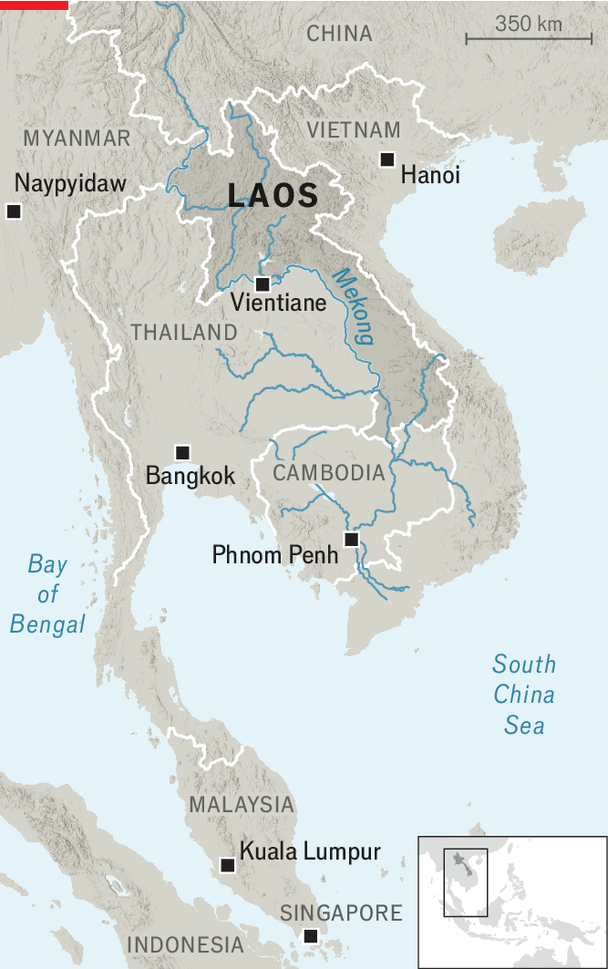
Laos believes that it could be part of the answer. Coming from officials belonging to a landlocked country of around 8m people and an income per person of only $2,400, that sounds audacious.(出自一个内陆国官员之口……听起来很大胆。) But Laos is rich in one respect: water. The Mekong, South-East Asia’s longest river, and its tributaries(支流) tumble(奔流而下) through the country’s mountains. Harnessing all that falling water offers an abundant source of clean energy. Laos wants to use it to become the “battery of South-East Asia”, as enthusiasts term it, and the core of a regional grid.
老挝认为它可以成为答案的一部分。这一想法出自一个内陆国官员之口,该国人口约800万,人均收入仅2400美元,听起来很大胆。但老挝在一方面很富有:水。湄公河是东南亚最长的河流,其支流奔流于该国群山之中。利用这些落水提供了丰富的清洁能源。老挝希望借此成为“东南亚的电池”,正如热衷者所言,并成为区域电网的核心。
The idea of such a South-East Asian network was first dreamt up(构想出) as long ago as the late 1990s, though Laos had been exporting power long before that. It first sold hydro-generated electricity to Thailand, with which it shares a long border, in 1971.(它在1971年首次向与之共享漫长边境的泰国出售水电。) Since then it has built more than 80 hydro plants, with a total capacity(容量,装机容量) of more than 12GW, enough to meet Singapore’s peak demand(峰值需求), and accounting for(占(比例)) around 70% of Laos’s own supply. By 2030 it hopes to be operating 100 dams and to have lifted capacity above 15GW. Electricity is already the country’s biggest export. In 2024 Laos sold power to six countries, including Singapore (some 2,000km away), raking in(赚得(大量金钱)) $2.4bn, which was nearly a quarter(四分之一) of its total exports.
建设这样一个东南亚电网的想法早在20世纪90年代末就首次被构想出来,尽管老挝在此之前早已出口电力。它在1971年首次向与它共享漫长边境的泰国出售水电。自那以后,它建成了80多座水电站,总装机容量超过12吉瓦,足以满足新加坡的峰值需求,并约占老挝自身供应量的70%。到2030年,它希望运营100座水坝并将容量提升至15吉瓦以上。电力已是该国最大的出口商品。2024年,老挝向包括新加坡(约2000公里远)在内的六个国家出售电力,收入24亿美元,几乎占其出口总额的四分之一。