Young Britons are a gloomy(悲观的,沮丧的) bunch. One poll found that 38% expect to lead worse lives than their parents (only 36% think they will do better). Much of the blame can be laid at the locked door of(归咎于(强调壁垒)) unaffordable housing. In big cities, where the good jobs are, rents are extortionate(过高的,敲诈性的). In London the average is around half of mean earnings. Anger about housing frays(磨损,使紧张) the social contract and leads some to scapegoat(替罪羊,作为替罪羊) vulnerable groups, such as refugees.
英国年轻人是一群悲观的人。一项民调发现,38%的人预计自己将比父母过得更糟(只有36%的人认为会更好)。大部分责任要归咎于高不可攀的住房这道紧锁的大门。在大城市,好工作聚集之地,房租高得离谱。在伦敦,平均房租约为收入中位数的一半。对住房问题的愤怒侵蚀了社会契约,导致一些人将弱势群体(如难民)当作替罪羊。
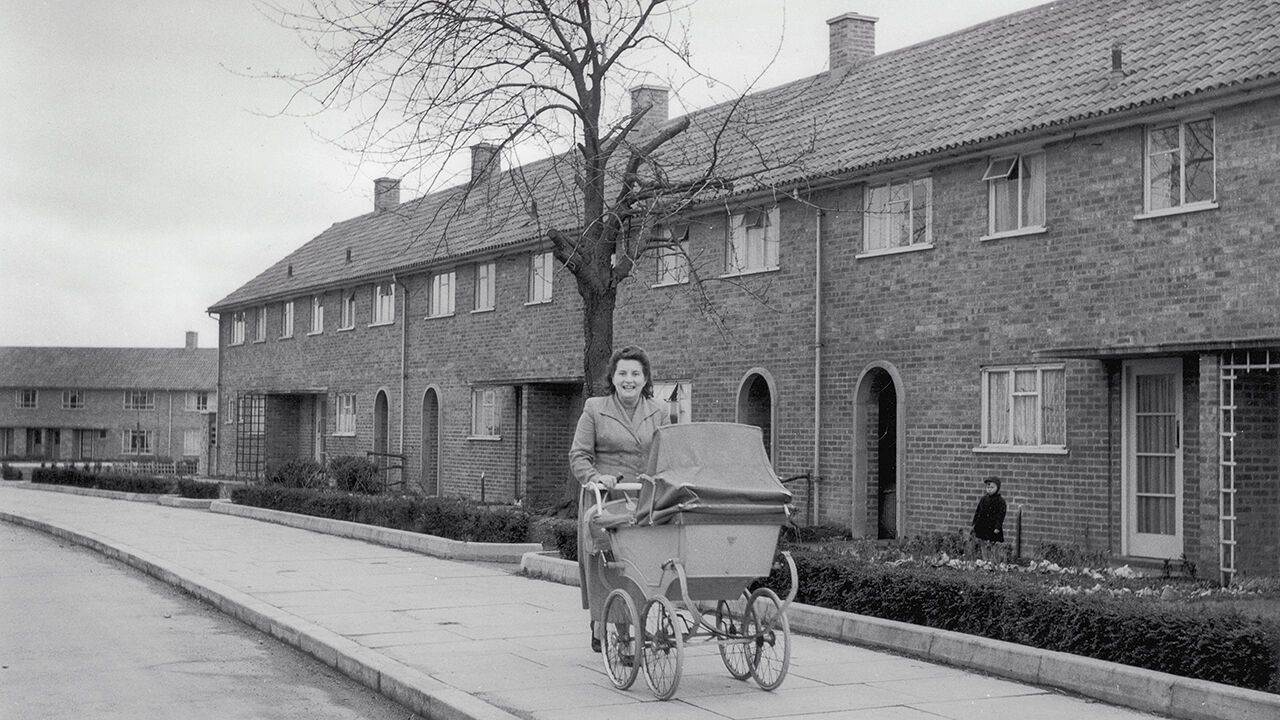
Andy Burnham, the man almost certain to be(几乎确定会成为) the next prime minister, has an answer. He has promised “the biggest council-housebuilding(市政住房建设) programme since the post-war period(自战后时期以来)”. This policy is popular: 72% of the public support more social housing(社会住房), which in England means homes owned by councils or charities and let at below-market rents(低于市场水平的租金). Over 1.3m households are on waiting lists for such homes.
几乎笃定成为下任首相的安迪·伯纳姆给出了一个答案。他承诺推出“自战后时期以来最大的市政住房建设计划”。这项政策很受欢迎:72%的公众支持增加社会住房——在英格兰,这指由市政当局或慈善机构拥有、以低于市场租金出租的房屋。超过130万户家庭正在等待这样的住房。
Yet Mr Burnham’s plan would be like adding a floor on top of a crumbling(摇摇欲坠的,崩溃的) tower block. England does not have too little social housing. It has too much: at 16% of the total stock((住房)存量), more than any other G7(七国集团) country. In some London boroughs((伦敦的)行政区) nearly 40% of homes are social housing. And far from being(远非,绝非) “the foundation for everything”, as Mr Burnham says, the council-housing system is wasteful, unfair and a barrier to growth(增长的障碍).
然而,伯纳姆先生的计划就像在摇摇欲坠的塔楼顶上再加一层。英格兰并不缺少社会住房,而是太多了:占总存量的16%,超过任何其他七国集团国家。在伦敦的一些行政区,近40%的住房都是社会住房。伯纳姆先生称市政住房是“一切的基础”,但事实远非如此,这套系统浪费、不公,并且阻碍增长。
Antisocial housing
反社会住房