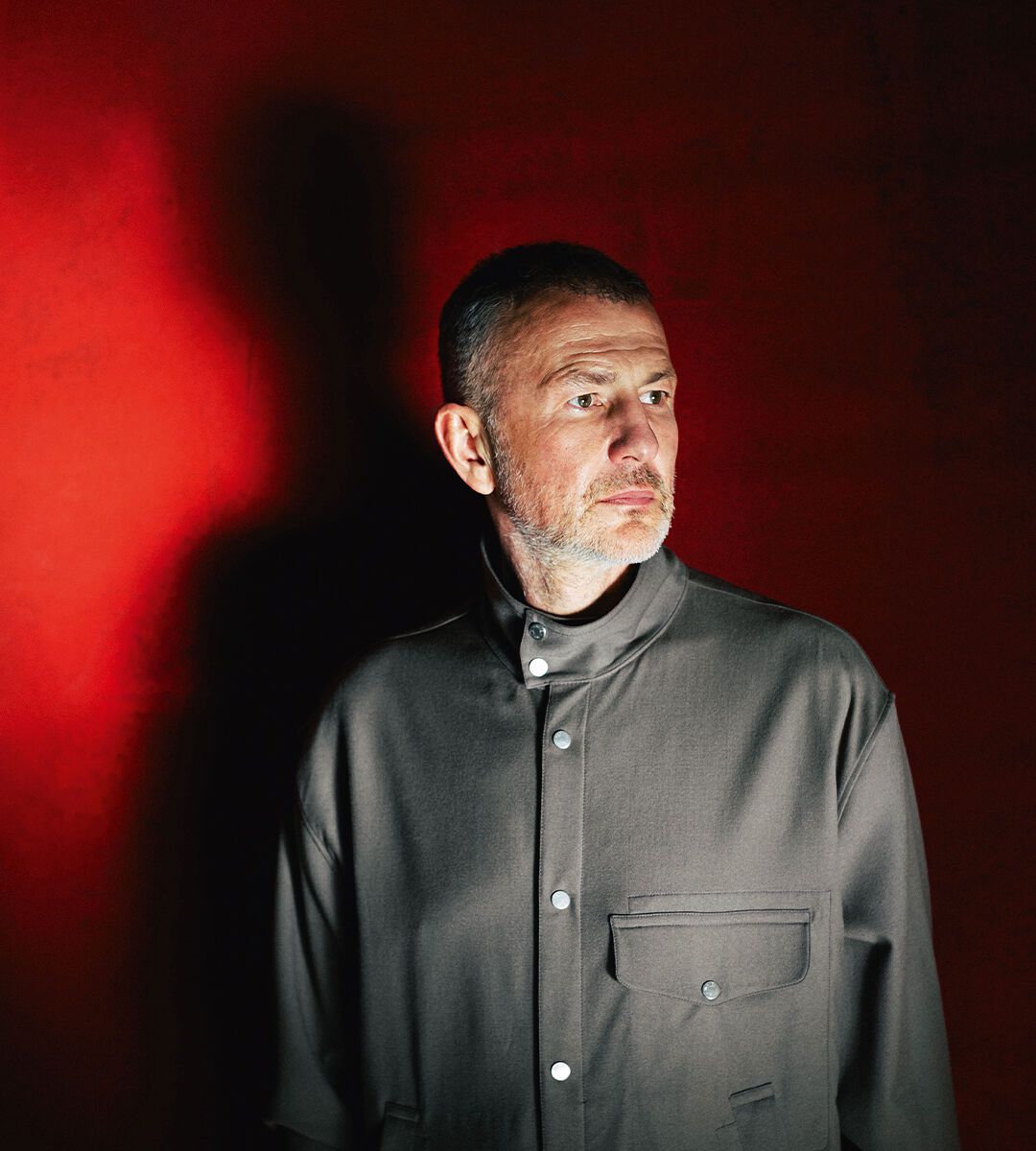
WHEN ENOUGH Russians feel the endless fighting in Ukraine is futile(无效的,无用的) and that they are paying the price, their president, Vladimir Putin, will be forced to do something spectacular to break the deadlock(打破僵局). This is why it pays to(做……是有益的) watch Russia for warnings of fatigue or discontent. Our cover this week features the most stunning(令人震惊的,极好的) such warning so far.
当足够多的俄罗斯人感到乌克兰无休止的战斗是徒劳的,并且自己在付出代价时,他们的总统弗拉基米尔·普京将被迫采取某种引人注目的行动来打破僵局。因此,关注俄罗斯发出的疲惫或不满信号是值得的。本周的封面报道介绍了迄今为止最为惊人的此类警告。
It comes from Andrey Melnichenko, the world’s fertiliser(化肥) king and Russia’s biggest industrialist. Mr Melnichenko is hardly a member of the anti-Putin opposition. Far from(远非,不仅不) criticising the invasion, he is an insider whose factories have supported the war economy. Nor is he being high-minded(高尚的,清高的). Having run his companies outside Russia, Mr Melnichenko returned in 2023 as the scope for global business shrank. Like most oligarchs, he has lived by Mr Putin’s rules—make money, but keep your nose out of(不过问,不插手) politics. He is talking now because he and his fellow tycoons(大亨,巨头) can no longer afford to ignore the rot(腐烂,腐朽) in a country they watched descend into tyranny(暴政,专制).
这一警告来自安德烈·梅尔尼琴科,世界化肥大王、俄罗斯最大的实业家。梅尔尼琴科绝不属于反普京反对派。他不仅没有批评入侵,反而是一位内部人士,其工厂一直在支持战争经济。他也并非在唱高调。在海外经营公司后,由于全球商业空间收缩,他于2023年返回俄罗斯。与大多数寡头一样,他一直遵守普京的规则——赚钱,但不过问政治。他现在发声,是因为他和他的寡头同行们再也无法无视他们亲眼目睹的、这个国家堕入暴政的腐朽。
Mr Melnichenko issued his warning over nearly 60 hours of interviews with The Economist and more guardedly(谨慎地,有保留地) in an essay we are publishing online. It is the first time an oligarch in Russia has spoken out at such length(如此详尽地). We are giving him space not because we agree with all his views or because he is a champion of democracy and human rights. Instead, he is a pragmatist(实用主义者) who wants his firms to thrive. That is why his call could resonate(产生共鸣,回响) in a country where wars gone wrong(失利的战争), including the defeat to Japan in 1905, have led to campaigns by industrialists for political change.
梅尔尼琴科先生通过近60小时的《经济学人》采访以及在我们将在线发表的一篇更为谨慎的文章中发出了警告。这是俄罗斯寡头首次如此详尽地公开发声。我们给予他篇幅,并非因为我们同意他所有的观点,也并非因为他是民主和人权的捍卫者。相反,他是一个希望自己公司繁荣的务实主义者。这就是为什么他的呼吁能在一个因战争失利(包括1905年对日战败)而曾引发实业家推动政治变革的国家产生共鸣。