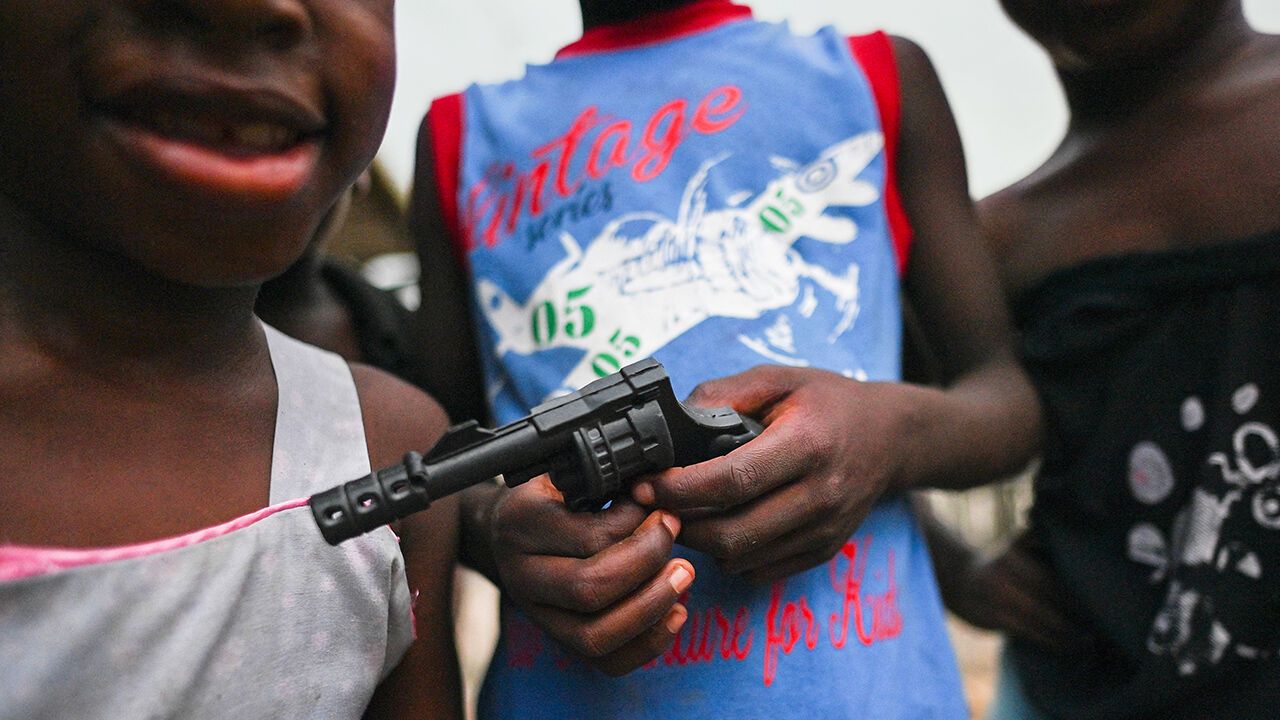
HOW DO YOU judge whether children are responsible for their actions? The answer often depends on age. Given how slowly human character develops, most countries do not hold the youngest to be criminally responsible, even if they commit heinous(极其邪恶的,令人发指的) acts. In the eyes of the law the least mature, who cannot grasp the consequences of what they do, are reckon(认为,把……看作)ed to be doli incapax(拉丁语法律术语:无犯罪能力的)—incapable of evil.
你如何判断儿童是否对自己的行为负责?答案往往取决于年龄。鉴于人类性格发展缓慢,大多数国家不认定最年幼者承担刑事责任,即使他们犯下滔天罪行。在法律眼中,最不成熟的儿童——他们无法理解自己行为的后果——被视为“doli incapax”,即无作恶能力。
Yet that raises a second question: how old is old enough to count? Countries answer this in wildly different ways, as they wrestle with(努力解决,与……搏斗) the task of defining the age of criminal responsibility. Now, regrettably, lawmakers in many places are pushing it downwards. In February Argentina lowered its age from 16 to 14. Others, from the Maldives to South Korea, may do something similar. Gangs have been a scourge(祸害,灾难) in Sweden for many years. It now plans to reduce the age of responsibility for the most serious crimes. Last month Northern Ireland blocked a motion(提案,动议) that would have raised the age from just ten—the joint-lowest(并列最低的) in Europe—to 14.
然而,这引出了第二个问题:多大才够大?各国在回答这个问题时方式迥异,因为它们都在艰难地定义刑事责任年龄。遗憾的是,如今许多地方的立法者正在降低这一年龄。今年二月,阿根廷将其从16岁降至14岁。从马尔代夫到韩国,其他国家也可能效仿。黑帮在瑞典肆虐多年,该国现计划降低最严重犯罪的刑事责任年龄。上个月,北爱尔兰否决了一项将年龄从仅10岁(欧洲最低之一)提高至14岁的提案。
Politicians are listening to voters angry about dramatic and well-publicised(广为人知的,被大肆宣传的) crimes—and you can understand why. Indonesians were horrified(惊恐的,震惊的) when a 12-year-old stabbed her mother 26 times, killing her. In Colombia a 15-year-old boy last year shot and killed a senator campaigning(进行竞选活动的) to be president. In Sweden and elsewhere, gangs use children to attack(利用儿童进行攻击) properties or people.
政客们正在倾听对轰动且广为人知的罪行感到愤怒的选民——这情有可原。印尼人曾震惊地发现一名12岁女孩刺伤母亲26刀致其死亡。在哥伦比亚,一名15岁男孩去年枪杀了一名正在竞选总统的参议员。在瑞典等地,黑帮利用儿童攻击财产或人员。