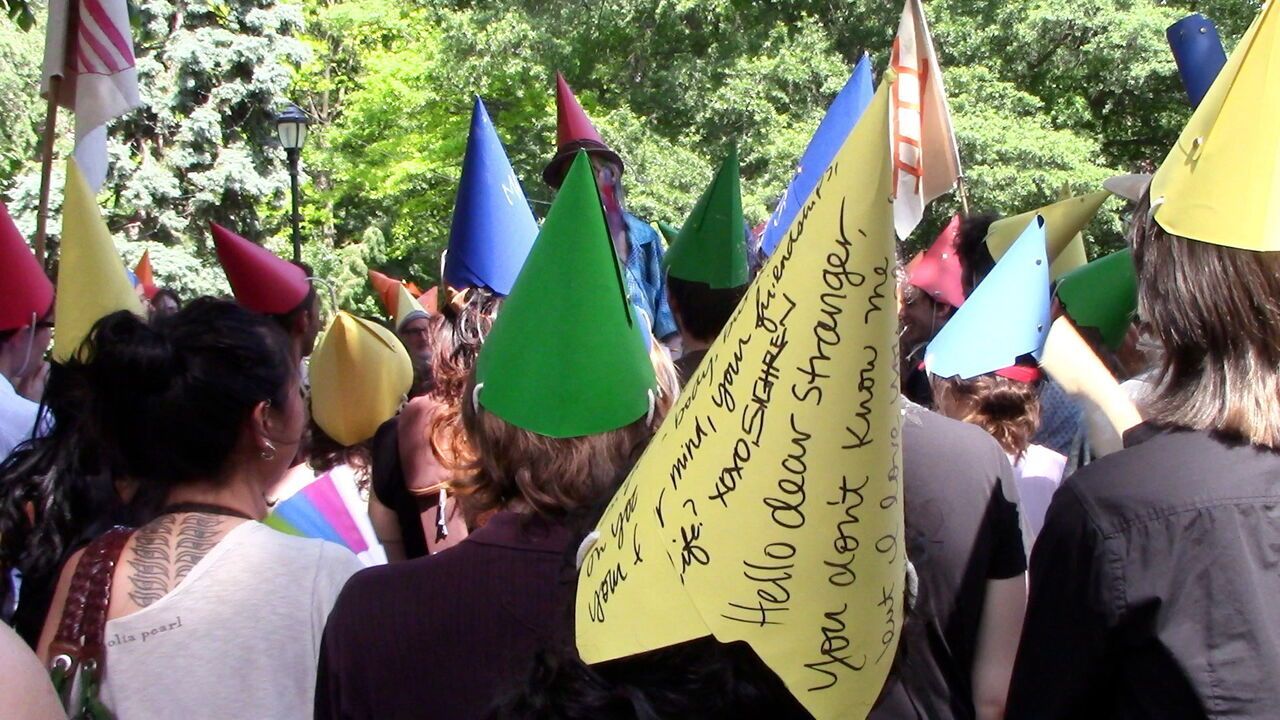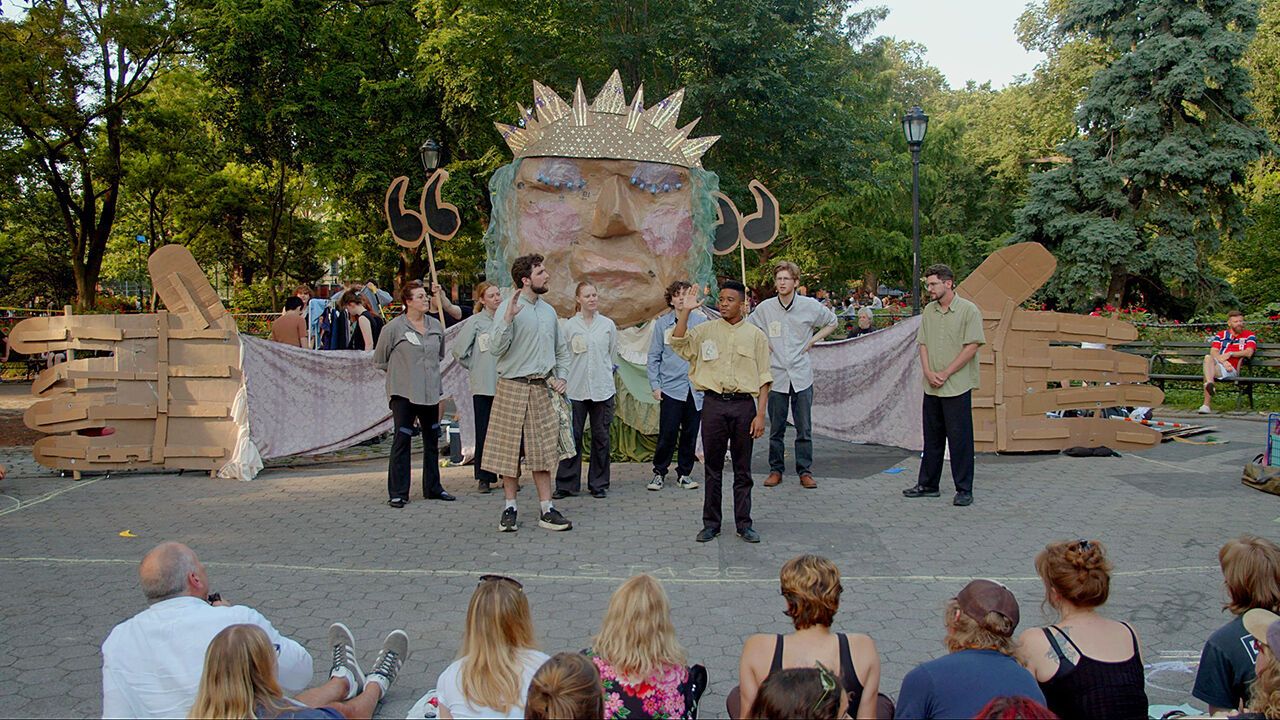
“We will free the iPad babies(指从小接触iPad的年轻一代),” went one chant(口号,呼喊) at the Summer of Ludd. “No Gemini, no GPT, no Grok, no Claude,” went another. The festival for big-tech sceptics, held in New York from June 28th to July 5th, stayed mostly true to its principles. Phones were banned. The event had no social-media presence. Organisers relied on posters and word of mouth(口口相传) to publicise the festival. Perhaps as a result, the crowds were small. Yet those who came, most of them in their 20s, reflect an ambivalence(矛盾心理) about technology that is increasingly common among Generation Z.
“我们将解放iPad宝宝,”卢德之夏音乐节上响起这样的口号。“不要Gemini,不要GPT,不要Grok,不要Claude,”另一句口号喊道。这个面向大型科技公司怀疑者的音乐节于6月28日至7月5日在纽约举行,基本贯彻了其原则:禁止手机、没有社交媒体账号、组织者仅靠海报和口口相传进行宣传。也许因此,到场人数不多。然而,这些参与者大多二十多岁,反映出Z世代日益普遍的对科技的矛盾心理。
Members of this cohort(群体,一批人) are the first to have grown up entirely in the age of the smartphone. Now many are reflecting on what it has cost them. In 2024 nearly a quarter of Gen Z-ers told Harris, a pollster, that they wished smartphones had never been invented.(2024年近四分之一的Z世代告诉民调机构哈里斯,他们希望智能手机从未被发明。) More recent polling by Pew found that over half support banning under-16s(16岁以下青少年) from social media. Many are trying to reduce their own screen time, deleting apps or setting limits. Others, like the self-described Luddites in Manhattan, go further(更进一步). At one point during the festival, devices were “executed” after standing trial.
这一群体是第一批完全在智能手机时代成长起来的人。如今许多人正在反思这让他们付出了什么代价。2024年,近四分之一的Z世代告诉民调机构哈里斯,他们希望智能手机从未被发明。皮尤更近期的民调发现,超过半数的人支持禁止16岁以下青少年使用社交媒体。许多人正试图减少自己的屏幕时间,删除应用程序或设置限制。其他人,比如曼哈顿那些自称卢德分子的人,则走得更远。在音乐节期间,设备在经历“审判”后被“处决”。
The original Luddites(卢德分子,反对新技术的人) were 19th-century textile workers who resented(憎恨,厌恶) the mechanisation(机械化) of their industry. They were not opposed to all technology, but feared for(为…担心) their livelihoods. Today’s young Luddites do not shun(避开,回避) the digital world entirely, but object to tracking tools, invasive(侵入性的,干扰的) algorithms and devices’ effect on their social lives. Artificial intelligence has added another fear: 70% of Gen Z think AI will have a negative impact on jobs, according to Marist.(人工智能又增添了一层恐惧:根据马瑞斯特的民调,70%的Z世代认为AI将对就业产生负面影响。)
最初的卢德分子是19世纪的纺织工人,他们憎恨自己行业的机械化。他们并非反对所有技术,而是担忧生计。今天的年轻卢德分子并非完全避开数字世界,而是反对追踪工具、侵入性算法以及设备对他们社交生活的影响。人工智能又增添了一层恐惧:根据马瑞斯特的民调,70%的Z世代认为AI将对就业产生负面影响。