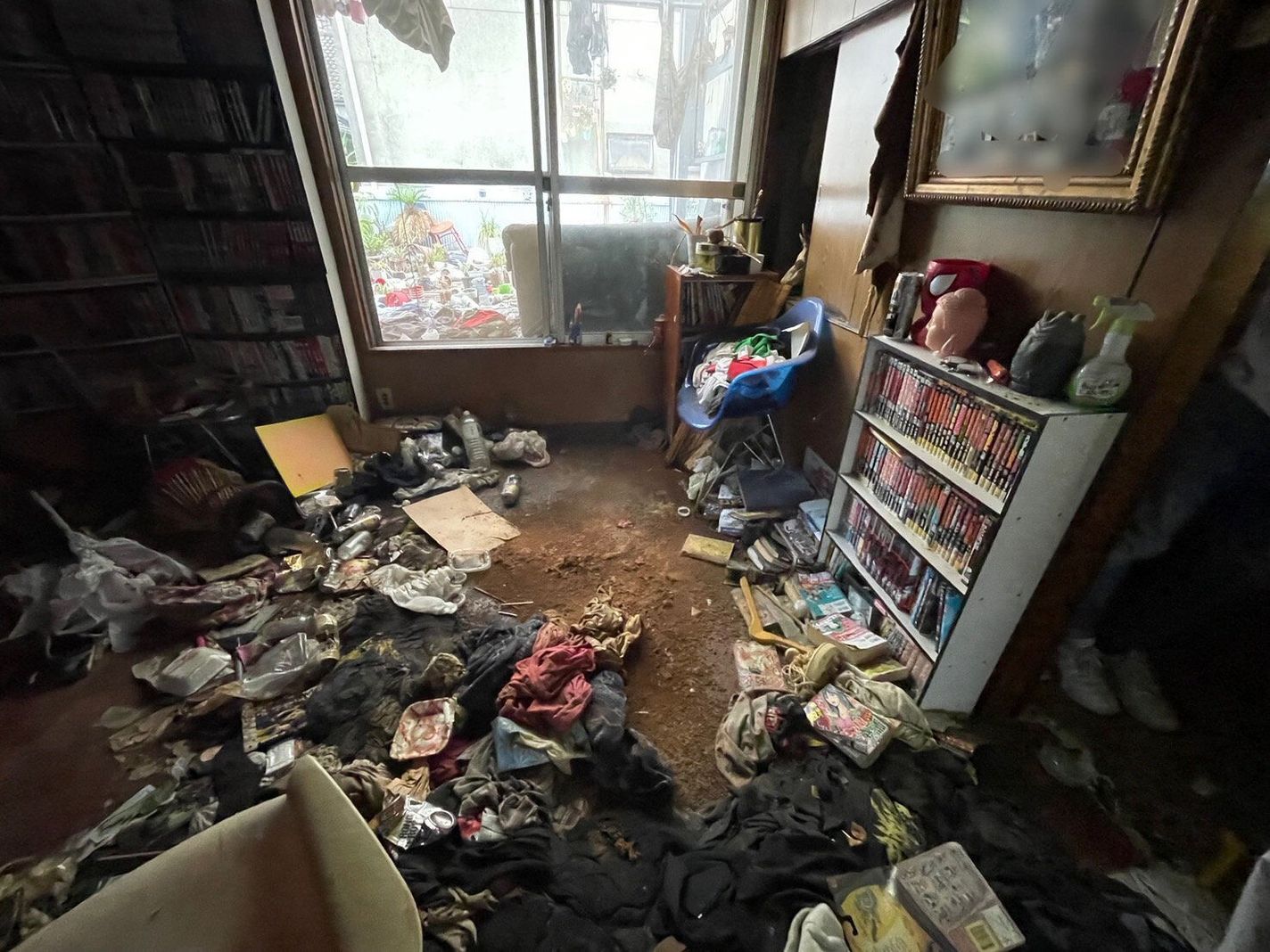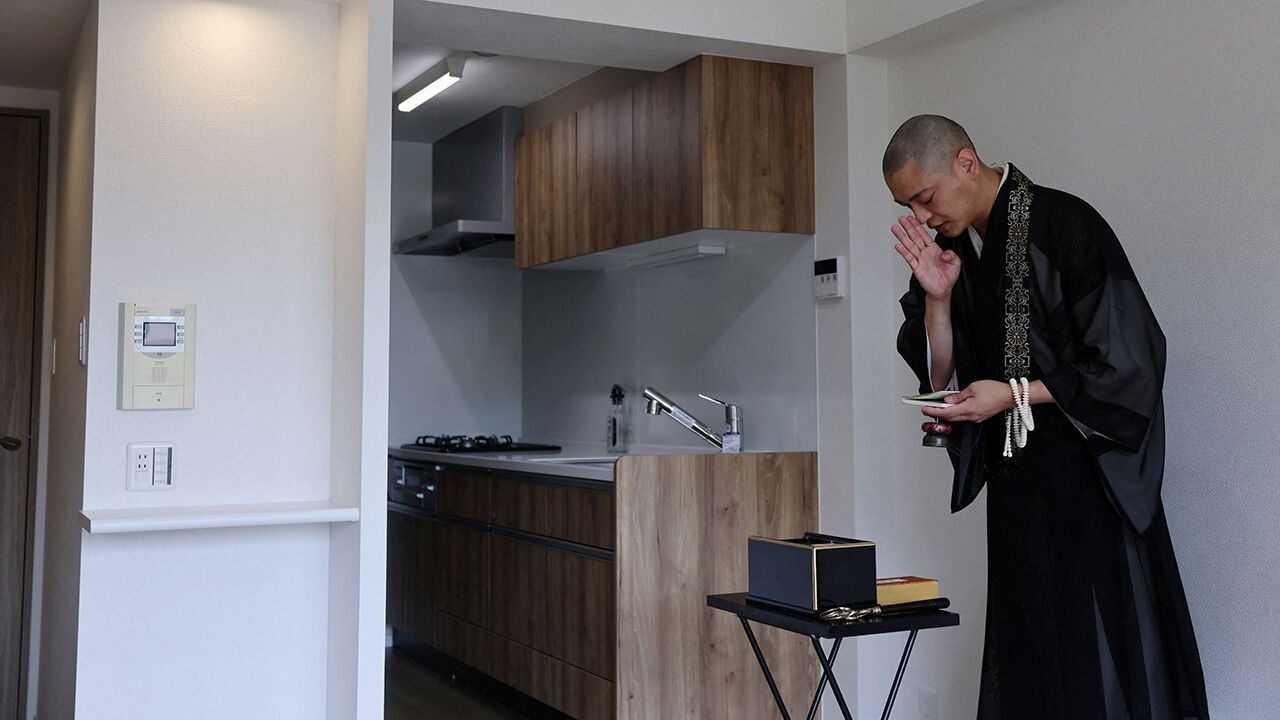
For more than a decade, Matsubara Tanishi, a Japanese comedian, has lived in houses where others met gruesome ends(遭遇可怕结局). One tenant murdered his brother. Another hanged herself. In a third an old man died alone and lay undiscovered for two years. “I used to think I might get cursed(被诅咒的),” he says.
十多年来,日本喜剧演员松原大西一直住在别人惨死的房子里。一名租客谋杀了自己的兄弟,另一名上吊自尽,第三处则是一位老人孤独死去,两年后才被发现。“我以前觉得自己可能会被诅咒,”他说。
In Japan such unfortunate houses are known as jiko bukken, or “incident properties”. Though many recoil(退缩;畏缩) at the thought of living in one, they have long fascinated the public. Mr Matsubara has built a career from inhabiting(居住;占据) dozens of them; his memoirs have become best-sellers and inspired films. Now rising housing costs are making these properties look less unappealing(看起来不那么令人反感) to the wider public.
在日本,这种不幸的房子被称为“jiko bukken”,即“事故物件”。虽然很多人一想到住在其中就退避三舍,但它们长期令公众着迷。松原先生以入住数十套此类房子为生,他的回忆录成为畅销书并被改编成电影。如今不断上涨的住房成本正让这些房产对大众显得不那么令人反感。
Incident properties are priced anywhere from 10% to 50% below market value, depending on the grisliness(恐怖;令人毛骨悚然) of the previous occupant’s demise(死亡;终止). Such discounts of course exist elsewhere, but Japan’s culture around them is unusually elaborate(精心的;复杂的). Oshima Teru, a property investor, runs a popular website mapping jiko bukken across the country, marking each with a fire icon and a description of the death. “It frightens me, but I can’t stop checking it,” says Kobayashi Yoko, a housekeeper in Tokyo. If she discovers that a client’s house is on the map, she invents an excuse not to go.(如果她发现客户家在地图上,就编借口不去。)
事故物件的定价通常低于市场价10%至50%,具体取决于前任住户死亡的恐怖程度。这种折扣当然在其他地方也存在,但日本围绕它们的文化格外精致。房产投资者大岛輝运营着一个受欢迎的网站,绘制全国的事故物件地图,每个地点标有火焰图标和死亡描述。“这让我害怕,但我忍不住去查,”东京保洁员小林洋子说。如果她发现客户的房子在地图上,就会编个借口不去。