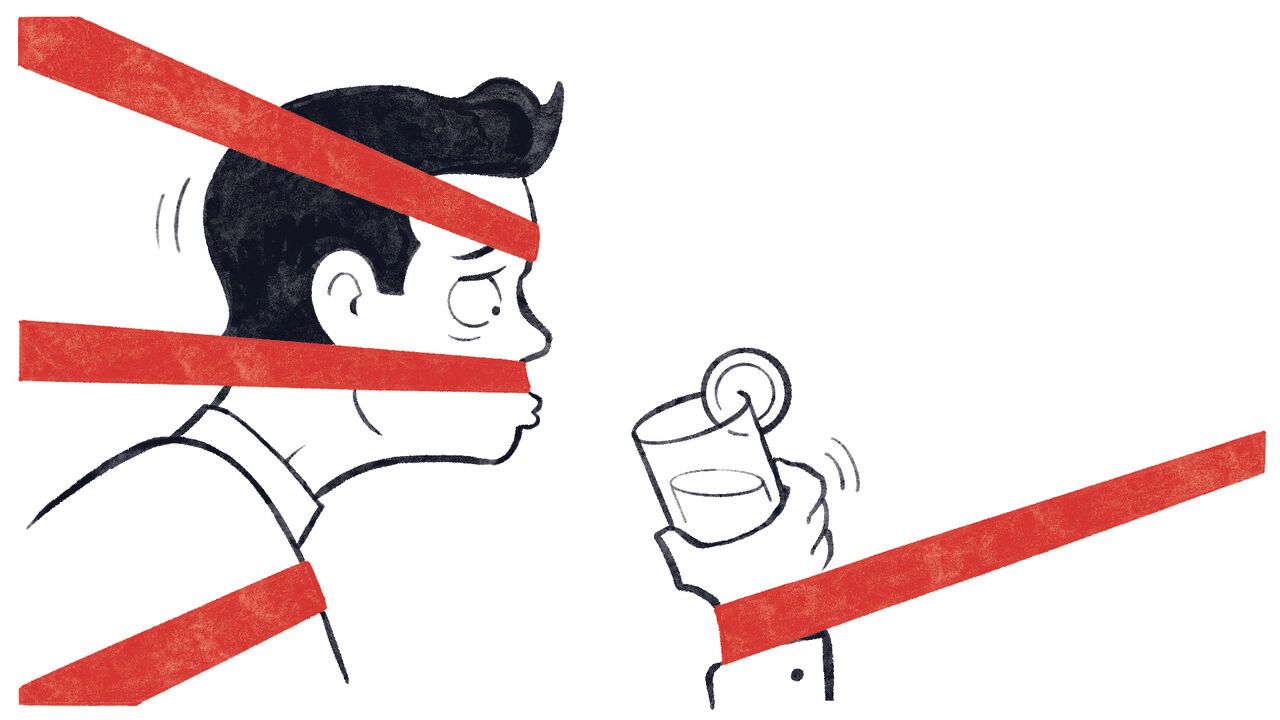
In 1660 the laws of the Puritan Massachusetts Bay Colony(清教徒马萨诸塞湾殖民地) declared that its nascent(初生的,新生的) watchmen should “examine all night walkers after ten of the clock at night”. This year Boston’s largest police union offered up(提出,提供) a modern equivalent, opposing the extension of bar hours to 3am on the grounds that(以……为理由): “Truth be told, not a lot of good happens after midnight.” For a country that prides itself on defending individual liberty, America has long been surprisingly prissy about nightlife and the boozy, exuberant and sometimes disorderly fun that comes with it.(对于一个以捍卫个人自由为荣的国家,美国长期以来对夜生活表现出令人惊讶的拘谨。) It should learn to lighten up(放松,别太严肃).
1660年,清教徒马萨诸塞湾殖民地的法律宣布,其初出茅庐的守夜人应“在晚上十点之后检查所有夜行”。今年,波士顿最大的警察工会提出了一个现代版本,反对将酒吧营业时间延长至凌晨3点,理由是:“说实话,午夜之后发生的好事并不多。”对于一个以捍卫个人自由为荣的国家,美国长期以来对夜生活以及随之而来的饮酒、狂欢,有时甚至混乱的乐趣,表现出令人惊讶的拘谨。它应该学会放松。
Rules about alcohol are often to blame(是原因,应受责备). When Prohibition(禁酒令(美国历史)) ended in 1933 a patchwork of laws(拼凑而成的法律) emerged in its place, from caps(上限,限额) on the number of liquor licences for pubs and restaurants to state monopolies over wholesale(批发的) liquor distribution.
有关酒精的规定常常是罪魁祸首。1933年禁酒令结束后,取而代之的是一套拼凑而成的法律,包括对酒吧和餐馆酒类许可证数量的限制,以及州政府对酒类批发分销的垄断。
Over the next decades zoning laws(分区法, zoning), neighbourhood review boards and other municipal(市政的,市的) restrictions layered on(层层叠加,增加) additional limits for venues that serve alcohol. This bureaucracy was partly motivated(受……驱使,有动机的) by understandable fears(可以理解的担忧) over crime and public health. Cities are not just places for drinking and revelry(狂欢,喧闹的娱乐), but also for growing families and people who want safe streets and a good night’s sleep. Drinking too much causes disease, accidents and crime.
在接下来的几十年里,分区法、邻里审查委员会和其他市政限制对提供酒精的场所层层加码。这种官僚体制部分源于对犯罪和公共卫生的担忧,这是可以理解的。城市不仅是饮酒狂欢的地方,也是成长中的家庭和那些想要安全街道和良好睡眠的人的家园。饮酒过量会导致疾病、事故和犯罪。