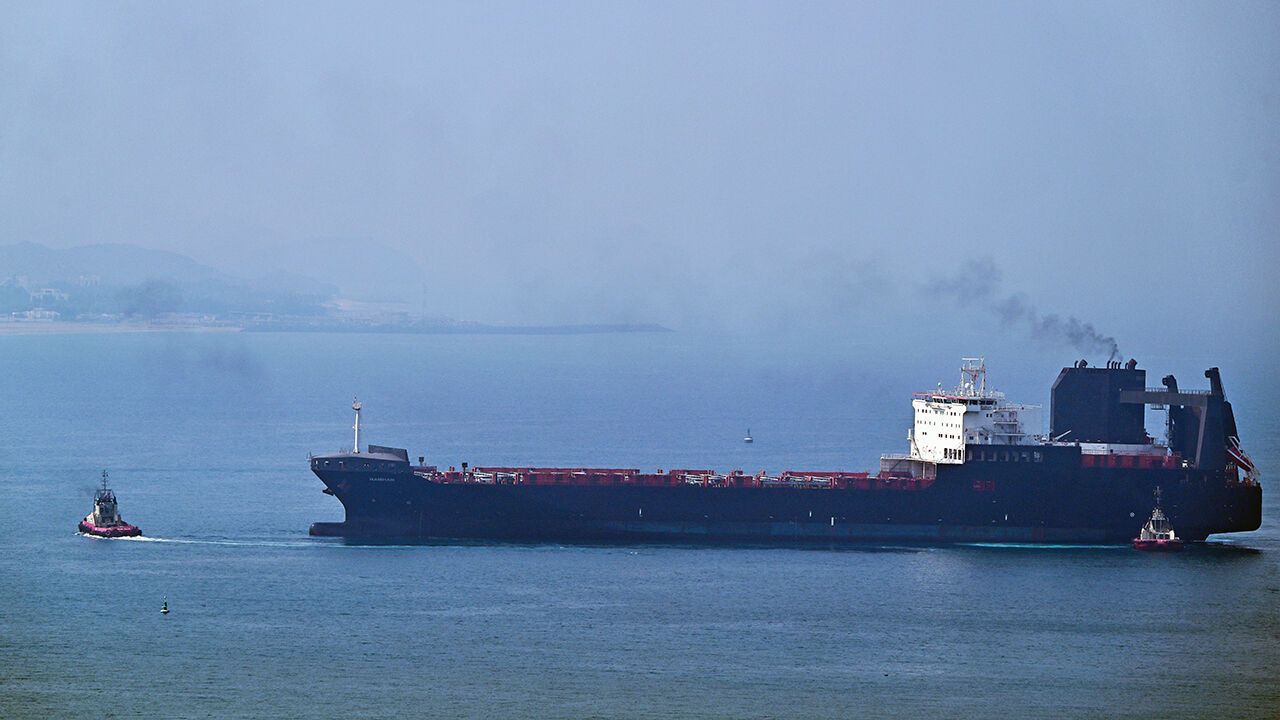
WHEN DONALD TRUMP proposed peace with Iran, he could hardly have offered better terms. In return for Iran opening the Strait of Hormuz and forswearing all ambitions for a nuclear bomb, America held out the prospect of hundreds of billions of dollars of income and investment in an economy ravaged by sanctions and war.(伊朗开放海峡并放弃核武,美国承诺巨额经济回报) The horrified reaction of Iran hawks(伊朗鹰派,主张对伊强硬的人) in America and Israel tells you that no other American leader would have surrendered so much.
当唐纳德·特朗普提出与伊朗和平时,他几乎无法给出更好的条件了。作为对伊朗开放霍尔木兹海峡并放弃所有核武器野心的回报,美国承诺向这个被制裁和战争摧残的经济体提供数千亿美元的收入和投资。美国和以色列的伊朗鹰派对此的骇然反应表明,没有其他美国领导人会做出如此大的让步。
The bleak message from the upsurge(激增,急剧上升) in fighting over the past week is that, for Iran, money alone is not enough. The hardliners(强硬派,持极端立场的人) are in charge. They want something more, and it cannot be good—be it(无论是...还是...(列举)) revenge, control over the strait, regional dominance or a nuclear programme. America must not yield(让步,屈服).
过去一周战斗升级所传达的阴郁信息是,对伊朗而言,金钱本身是不够的。强硬派掌权。他们想要更多,而且这不可能是好事——无论是报复、控制海峡、地区主导地位还是核计划。美国绝不能让步。
The memorandum of understanding(谅解备忘录,非正式协议) (MoU), signed a month ago, allows 60 days to bring peace. Halfway through, it has itself become the focus of conflict. It asks Iran to “make arrangements to ensure the safe passage of commercial vessels free of charge(免费地) for 60 days”. Iran takes that to imply(暗示,意味着) it is in charge; for America it means that Iran must not restrict sea traffic.
谅解备忘录(MoU)签署于一个月前,给予60天时间来实现和平。时间过半,它本身已成为冲突的焦点。它要求伊朗“做出安排,确保商船在60天内免费安全通行”。伊朗认为这意味着它掌控海峡;而美国则认为这意味着伊朗不得限制海上交通。