IT feels AS if the world is accelerating. Remarkable artificial-intelligence models are released by the month. Medicine offers tantalising(诱人的,令人心痒的) breakthroughs in everything from cancer to the common cold. And Britain, where self-driving taxis now prowl the streets in one of the first trials in Europe, is poised to reap the fruits of this revolution, so long as it remains open to the world and is quick to embrace change.(英国作为欧洲首批试点之一,自动驾驶出租车已上街巡游,只要保持开放并拥抱变革,就有望收获这场革命的果实。)
世界仿佛在加速运转。每月都有令人瞩目的人工智能模型发布。医学领域从癌症到普通感冒都取得了诱人的突破。而英国,作为欧洲首批试点之一,自动驾驶出租车已开始在街头巡游,只要它保持对世界开放并迅速拥抱变革,就有望收获这场革命的果实。
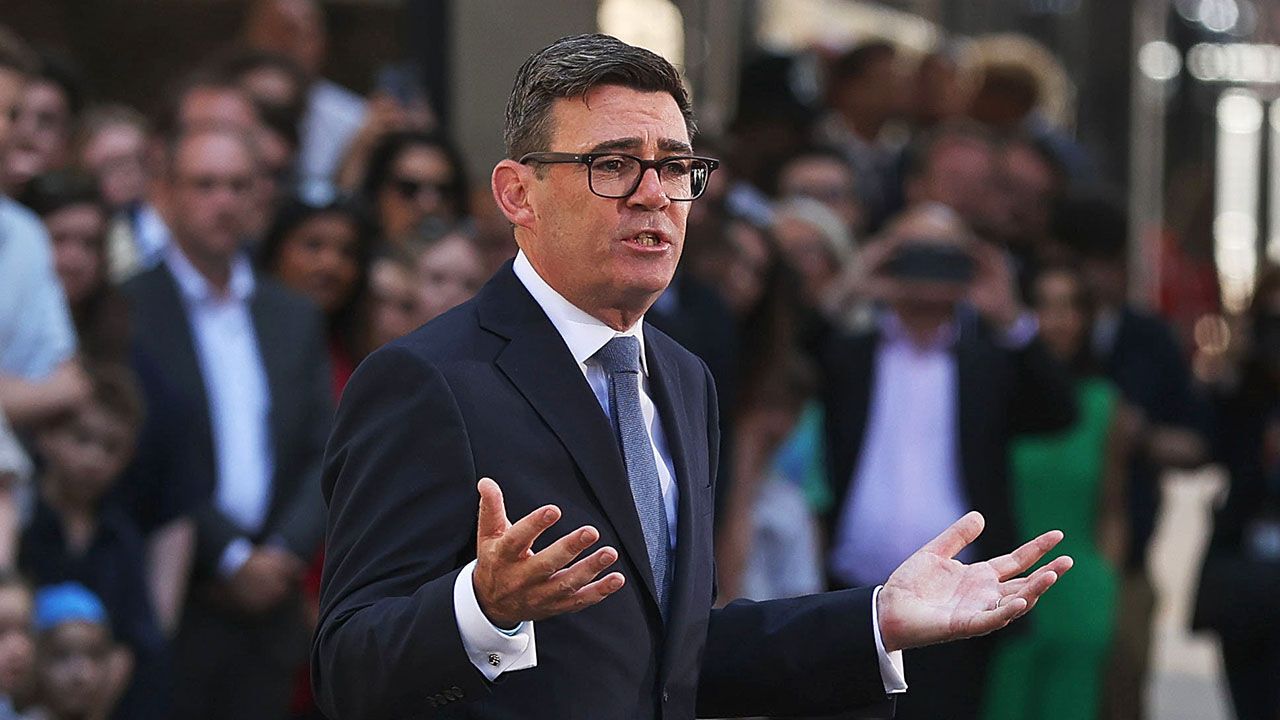
Yet Britain’s new leader wants to wind back the clock(让时钟倒转,回到过去). Andy Burnham became prime minister on July 20th after winning the endorsement of 94% of Labour MPs. As he spoke from Downing Street, it was clear why they are now optimistic after Sir Keir Starmer’s inert(惰性的,迟钝的) era. The new man was folksy(平易近人的,有乡土气的), and brimmed(充满,洋溢) with the belief that he can get stuff done(办成事,完成事情). But a prime minister’s first address is the moment to tell voters the truth about the hard choices that a sunnier future demands. Mr Burnham used his to hawk(兜售,叫卖) a soothing mix of nostalgia and giveaways(赠品,免费发放物).
然而,英国的新领导人却想让时钟倒转。安迪·伯纳姆在赢得94%的工党议员支持后,于7月20日成为首相。当他从唐宁街发表讲话时,人们清楚地看到,为什么在基尔·斯塔默爵士沉闷的时代之后,他们现在如此乐观。这位新领导人平易近人,充满自信,相信自己能办成事。但首相的首次演讲本应是告诉选民真相的时刻——关于更光明的未来所需要的艰难抉择。伯纳姆先生却利用这次演讲兜售一种由怀旧和施舍构成的安慰剂。
In Mr Burnham’s telling, everything went wrong with Margaret Thatcher(玛格丽特·撒切尔,英国前首相,新自由主义代表人物) and “four decades of neoliberalism”. He bemoans(哀叹,惋惜) privatisation and laments(痛惜,哀悼) the disappearance of steelworks and textile mills. He promises to “reindustrialise(再工业化)” the heartlands by gearing state procurement to(使国家采购向……倾斜) British firms.
在伯纳姆的叙述中,一切问题都始于玛格丽特·撒切尔和“四十年的新自由主义”。他哀叹私有化,痛惜钢铁厂和纺织厂的消失。他承诺通过将国家采购转向英国企业来实现“再工业化”。