WHEN AMERICA first made a nuclear co-operation deal with the United Arab Emirates (UAE) in 2009, it insisted on strict conditions. The Emiratis had to forgo(放弃,弃绝) domestic uranium enrichment(浓缩(铀)) and reprocessing(后处理(核燃料)) and sign up to the Additional Protocol(《附加议定书》——强化核保障监督), a follow-on to the nuclear Non-Proliferation Treaty (NPT), which provides for tough inspections. The UAE agreed and now has four reactors supplying 25% of its electricity. American officials called it a “gold standard(黄金标准,最高标准)” agreement.
2009年,美国首次与阿联酋达成核合作协议时,坚持了严格的条件。阿联酋必须放弃国内铀浓缩和后处理能力,并签署《不扩散核武器条约》的后续文件——《附加议定书》,该议定书规定了严格的核查措施。阿联酋同意了这些条件,如今拥有四座反应堆,为其提供25%的电力。美国官员曾称其为“黄金标准”协议。
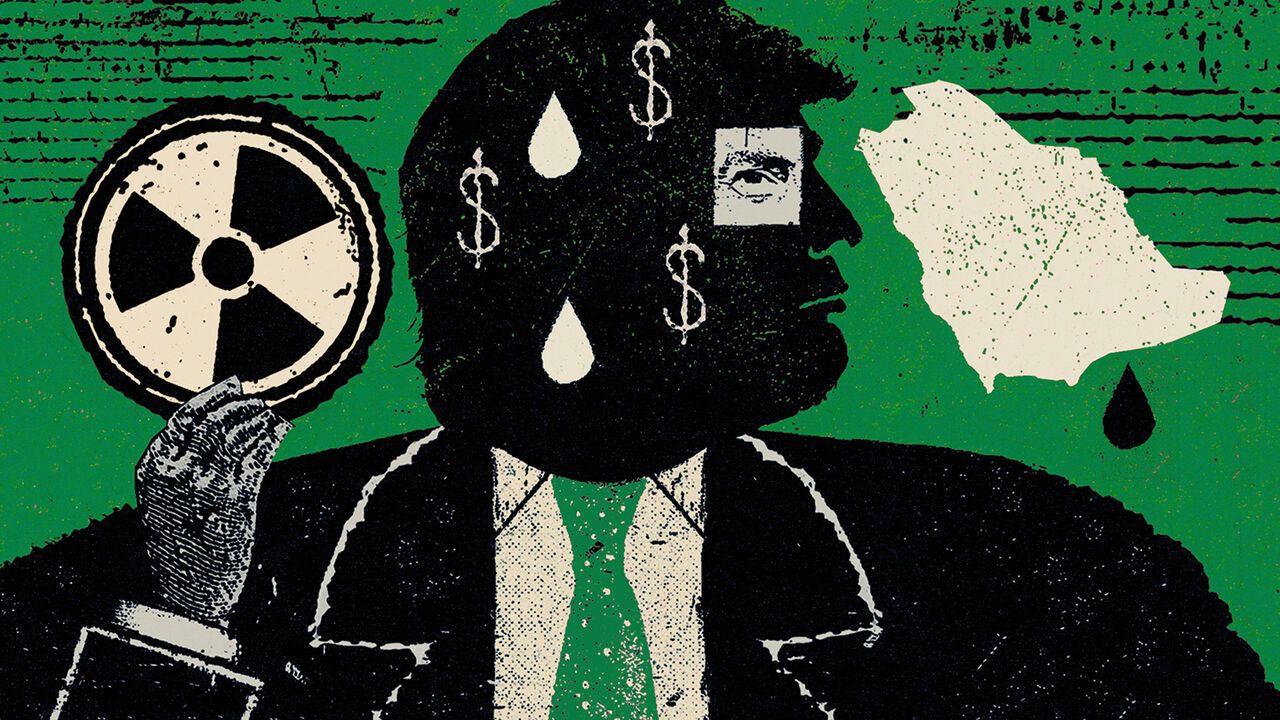
The deal with Saudi Arabia that President Donald Trump announced on July 22nd would not even qualify as bronze(连铜牌都算不上,极差). The text has yet to be published, but if leaks are accurate, it will firm up America’s twitchy(紧张的,不安的) relations with the kingdom and be lucrative(利润丰厚的,赚钱的) for American companies. But it risks undermining(逐渐削弱,破坏) the NPT—with bad consequences far beyond the Middle East.
唐纳德·特朗普总统7月22日宣布的与沙特的协议,甚至连“铜牌”都算不上。协议文本尚未公布,但如果泄露内容属实,它将巩固美国与沙特之间紧张的关系,并使美国公司获利。但它有可能破坏《不扩散核武器条约》,其恶劣影响将远超中东地区。
The agreement, which Congress must review, will not require Saudi Arabia to swear off(发誓放弃,戒除) enrichment. Instead, the countries will together conduct a two-year study on whether the kingdom needs such a capability. If yes, America could build an enrichment facility(设施,工厂) on Saudi soil; otherwise, the kingdom would agree not to pursue one for ten years. The Trump administration promises that any Saudi nuclear programme would be subject to(受制于,须经) rigorous inspections. But the kingdom would not have to join the Additional Protocol. Congress could block the deal but would need a two-thirds majority to overcome a presidential veto(否决权,否决).
该协议需经国会审议,但不会要求沙特放弃铀浓缩。相反,两国将共同进行一项为期两年的研究,以确定沙特是否需要这种能力。如果需要,美国可在沙特境内建造浓缩设施;否则,沙特将同意十年内不寻求建造。特朗普政府承诺,任何沙特核计划都将接受严格核查。但沙特不必加入《附加议定书》。国会可以阻止该协议,但需要三分之二多数才能推翻总统否决。