KOSHIYAMA RYOTARO, a 33-year-old in Hokkaido, northern Japan, used to pay little heed to(很少关注) politics. But a few years ago he discovered a reformist(改革派的) mayor in western Japan who live-streamed(直播) his council meetings on YouTube. Mr Koshiyama learnt video-editing and posted clips(片段) of parliamentary debates and rallies, hoping “to show people how interesting politics is”.
33岁的KOSHIYAMA RYOTARO住在日本北部的北海道,过去对政治漠不关心。但几年前,他发现日本西部一位改革派市长在YouTube上直播议会会议。Koshiyama学会了视频剪辑,并上传了议会辩论和集会的片段,希望“向人们展示政治有多有趣”。
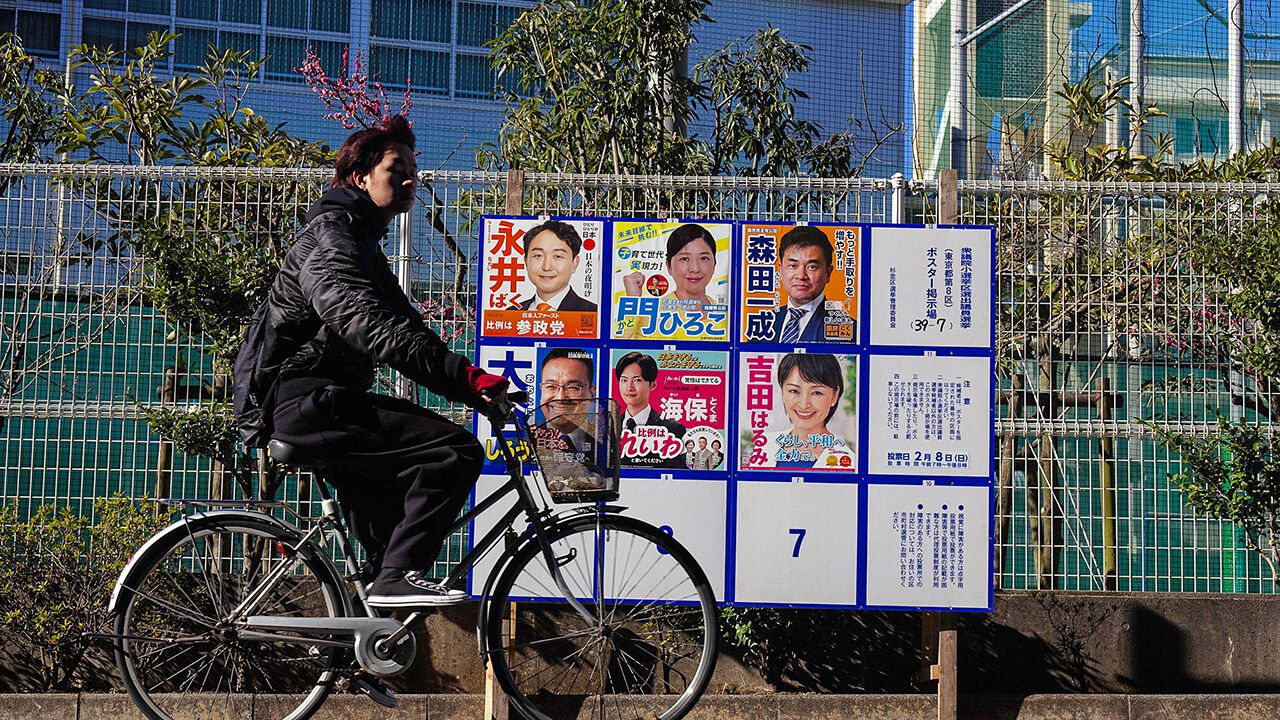
Mr Koshiyama is part of a broader shift. Thanks to younger, social-media-savvy(精通社交媒体的) politicians, disengaged(不参与的) younger Japanese are taking more interest in politics. In last year’s upper-house election—when upstart(新贵/暴发户) parties of various stripes(各种类型的) made striking gains—turnout(投票率) among 18- and 19-year-olds rose from 35% in 2022 to 45%; among those in their 20s and 30s, it jumped by more than ten percentage points; the trend continued at the lower-house election in February. The Liberal Democratic Party (LDP) still dominates. But the young are transforming politics, making it more volatile(动荡的) and more competitive.
Koshiyama先生是更广泛转变的一部分。得益于更年轻、精通社交媒体的政治家,过去不关心政治的日本年轻人开始对政治产生更多兴趣。在去年的参议院选举中——各种新兴政党取得了显著进展——18岁和19岁选民的投票率从2022年的35%上升到45%;20多岁和30多岁人群的投票率跃升了十多个百分点;这一趋势在2月份的众议院选举中得以延续。自民党仍占主导地位。但年轻人正在改变政治,使其更加动荡和更具竞争性。
Japan's political system has long seemed ossified(僵化的). Like many other countries, it was shaken by a wave of leftist student demonstrations in the 1960s and 1970s. But then apathy(冷漠) set in(开始/到来). Today, pensioners(退休人员) are more likely to join protests than students are. Voter turnout languishes(低迷) at around 50% across all age groups, and is at 30% or so for those in their 20s.
日本的政治体制长期以来似乎僵化了。与许多其他国家一样,它在20世纪60年代和70年代曾受到左翼学生示威浪潮的冲击。但随后冷漠情绪蔓延开来。如今,退休人员比学生更可能参加抗议活动。所有年龄段的投票率都徘徊在50%左右,而20多岁人群的投票率约为30%。