The god Apollo, his arms wide, beckons(招手示意) five scantily clad(衣着单薄的) muses. The mural, which caused a stir when it first appeared in Basel’s Barfüsserplatz in 1941, is best admired from a McDonald’s housed in a quaint(古雅的,别致的) old building on the other side of the tram tracks. It’s a lovely spot in which to enjoy a burger in the sunshine.
阿波罗神张开双臂,向五位衣着单薄的缪斯女神招手。这幅壁画于1941年首次出现在巴塞尔的巴菲瑟广场时曾引起轰动,而欣赏它的最佳位置,是电车道对面一座古雅老建筑里的麦当劳。在阳光下享用汉堡,这里是个惬意的地方。
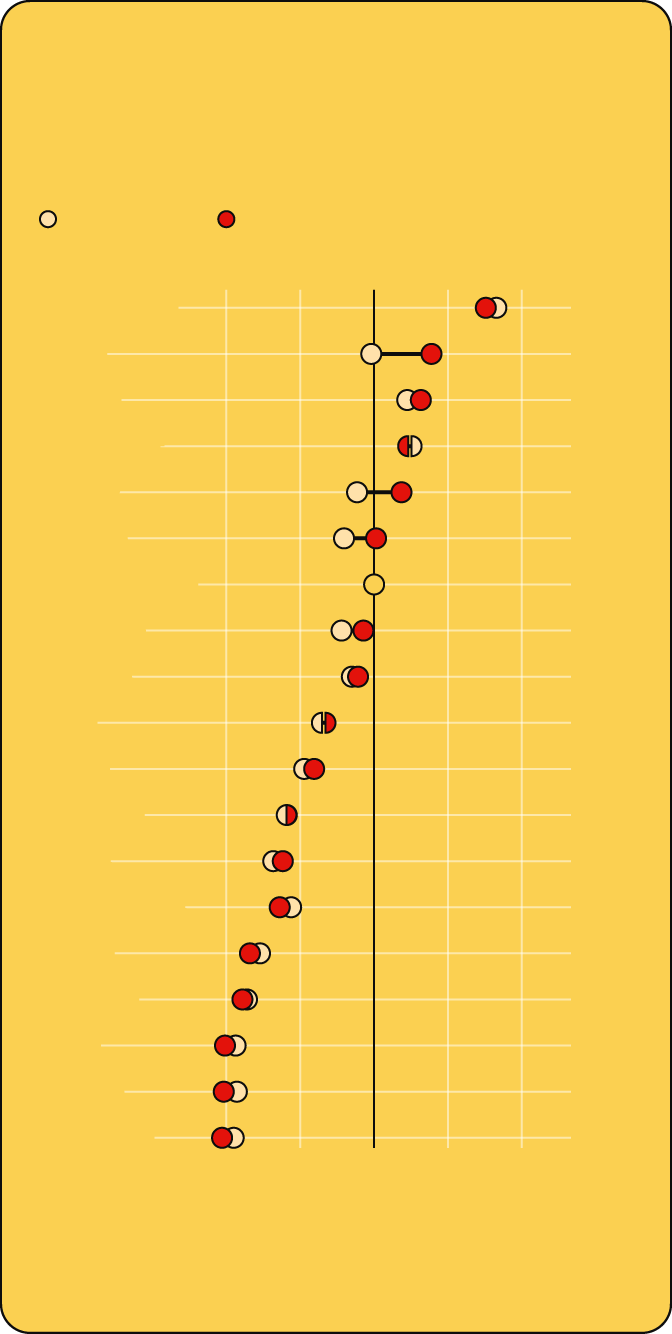
But the experience will set you back(花费,使破费). The difference in the dollar price of a burger in Switzerland ($9.04) and Taiwan ($2.42) reveals something interesting about currencies. This thought struck Pam Woodall, our former economics editor, soon after she began writing for us 40 years ago. It was, she says, a “bathtub moment(浴缸时刻(灵感突现))”. The Big Mac has been our muse(缪斯,灵感源泉) ever since.
但这种体验会让你破费不少。瑞士一个汉堡的美元价格(9.04美元)与台湾(2.42美元)之间的差异,揭示了关于货币的一些有趣现象。这个想法在40年前,我们的前经济编辑帕姆·伍德尔刚开始为我们撰稿后不久就闪现了。她说,那是一个“浴缸时刻”。自那以后,巨无霸就成了我们的缪斯。
The value of a currency should reflect its purchasing power(购买力), its command over goods and services. That is an old idea, formalised(正式化,系统化) by Gustav Cassel, a Swedish economist, around the time of the first world war. The catastrophe had wreaked havoc on(对……造成严重破坏) the gold standard, which had largely fixed exchange rates by pegging(钉住,固定) the value of the main currencies to gold.
一种货币的价值应反映其购买力,即它对商品和服务的支配能力。这是一个古老的观点,由瑞典经济学家古斯塔夫·卡塞尔在第一次世界大战前后正式提出。那场灾难对金本位制造成了严重破坏,而金本位制此前主要通过将主要货币的价值与黄金挂钩来固定汇率。
Lots of cheese (14g)
很多奶酪(14克)