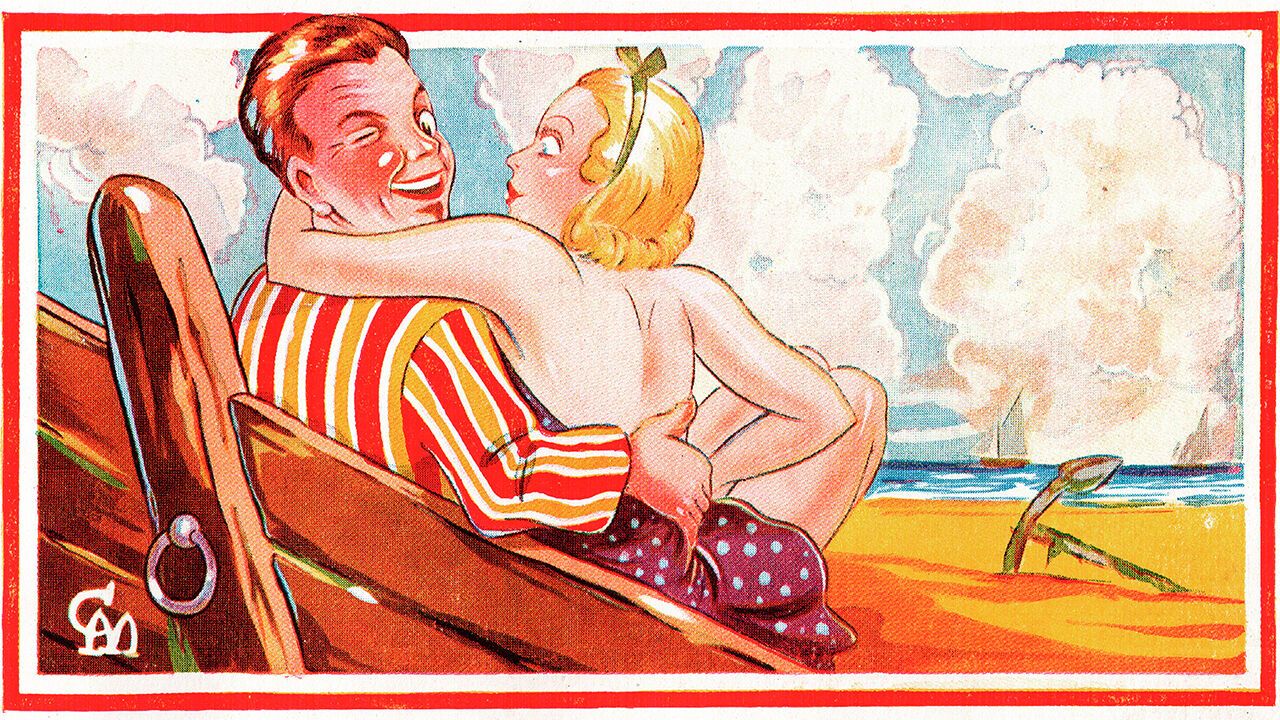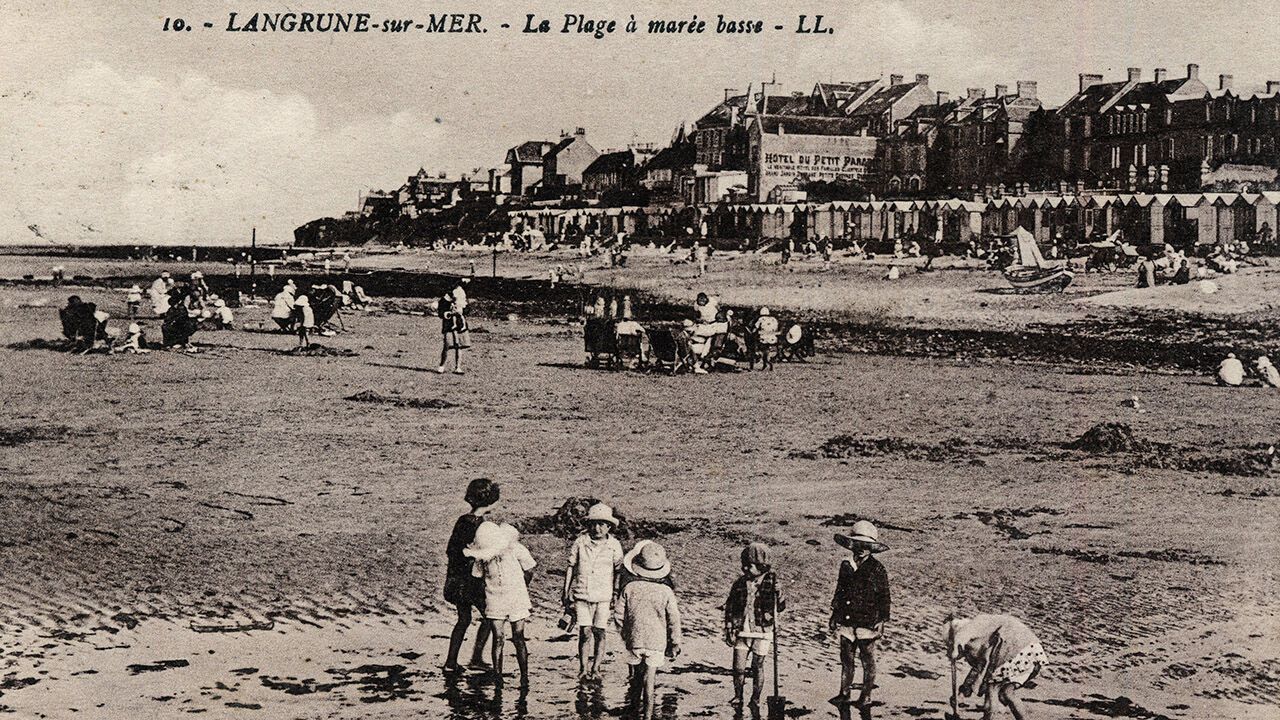
The postcards looked lighthearted(轻松愉快的), frivolous(轻浮的,不严肃的) even. One offered this “Vue” of a French beach; another that “Plage” in Normandy; another a “Rue” in a pretty coastal town. They could not have been more serious(再严肃不过了). It was March 1942. Britain was readying(准备(动词)) itself to fight the Nazis on the beaches and on the landing grounds(登陆场). But they had very little idea what those beaches and landing grounds looked like.
这些明信片看起来轻松愉快,甚至有些轻浮。一张展示着法国海滩的“景色”;另一张是诺曼底的“海滩”;还有一张是美丽海滨小镇的“街道”。但它们再严肃不过了。那是1942年3月,英国正准备在海滩和登陆场与纳粹作战,却对海滩和登陆场的模样知之甚少。
Admiral John Godfrey, the head of British naval intelligence, took to the BBC with a public plea(恳求,呼吁). Your photos and postcards, he said, might look like holiday frivolity but “experts may see a lot more”. He asked people to send them in—and they did. In droves. 10,000 were expected; 10m were received. Then British intelligence started to sort them; not now under words like “rue” or “plage” but under different names: under “Omaha”, “Sword” and “Juno”.(随后英国情报部门开始分类,不再按“街”“滩”等字样,而是按不同的代号:“奥马哈”“宝剑”和“朱诺”。) The preparations for what would become known as “D-Day” had begun.
英国海军情报局局长约翰·戈弗雷上将通过BBC发出公开呼吁。他说,你们的照片和明信片看起来像是假日的轻浮之物,但“专家可能看到更多”。他请求人们寄来这些明信片——人们照做了,而且蜂拥而至。预期收到1万张,结果收到了1000万张。随后英国情报部门开始分类,不再按“街”“滩”等字样,而是按不同的代号:“奥马哈”“宝剑”和“朱诺”。后来被称为“D-Day”的准备工作就此开始。
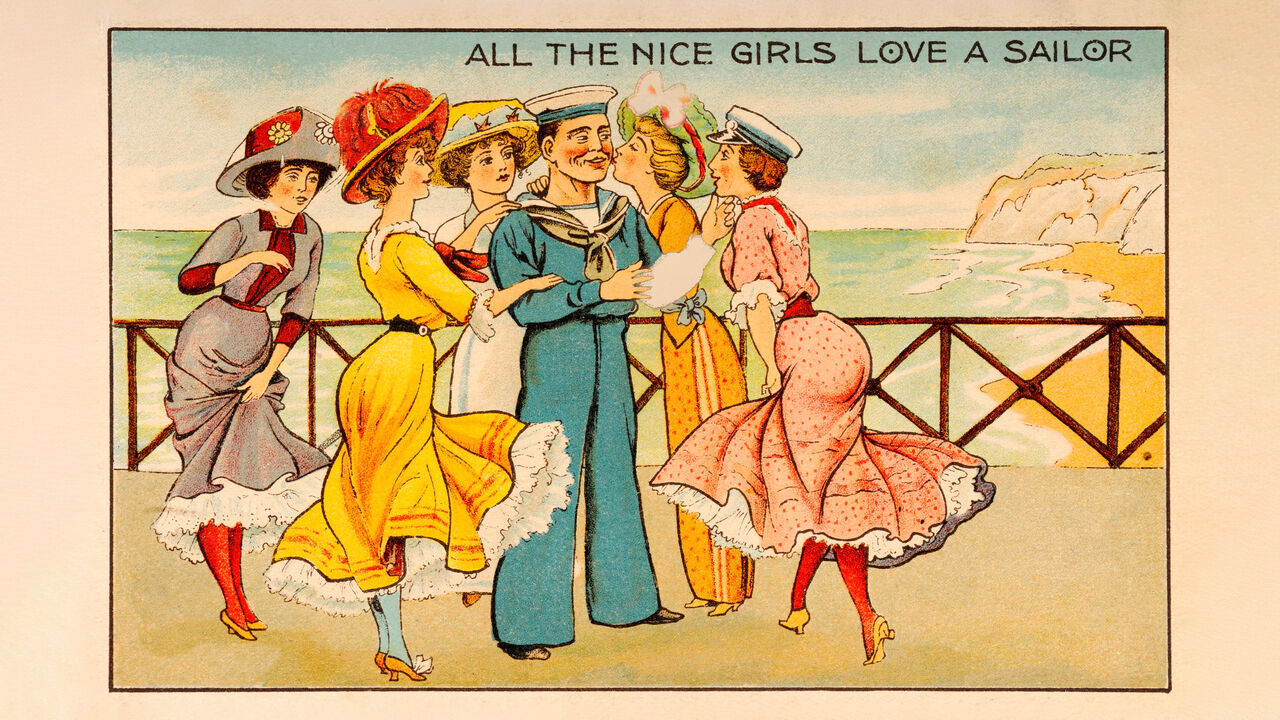
Postcards—cheap, smutty(粗俗的,淫秽的), sometimes saucy(俏皮的,带点色情的)—are often assumed to be silly but their effects have been very serious indeed. They have changed the world. One historian has called them “the largest class of artefacts(最大一类人工制品) humankind has ever exchanged”. An international treaty was signed to enable their travel across borders; wars have been chronicled(记录,记载) with them; battles planned using them. The French philosopher Jacques Derrida(雅克·德里达,法国哲学家) even wrote a book about them, rich in phrases such as “supplementary prosthesis”.
明信片——廉价、粗俗、有时还带点色情——常被认为很愚蠢,但它们的影响确实非常深远。它们改变了世界。一位历史学家称其为“人类交换过的最大一类人工制品”。一项国际条约的签署使它们得以跨境流通;战争因它们而被记录;战役借助它们来策划。法国哲学家雅克·德里达甚至写了一本关于它们的书,书中充斥着“补充性假体”之类的短语。