A CYNIC MIGHT say that ceasefires between Iran and America hold well between attacks. In the past fortnight a pattern has become familiar. A pause in fighting is declared; one party breaches it; tit-for-tat(以牙还牙的) strikes and superlative threats ensue; détente((国际关系)缓和) is announced once again.
愤世嫉俗者可能会说,伊朗与美国之间的停火在两次攻击之间维持得还不错。过去两周,一种模式已变得熟悉:宣布战斗暂停;一方违反停火;报复性打击和夸张威胁接踵而至;缓和再次被宣布。
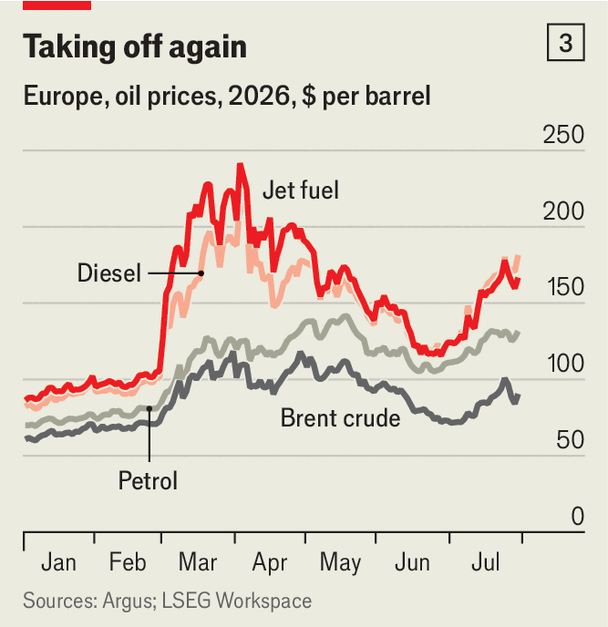
This cycle changes little of the reality on the ground(在实地;在现实中): traffic through the Strait of Hormuz remains anaemic(贫血的;无力的) and the global energy system is under strain. Talks have not progressed and Iran insists it wants sole control of the strait. Yet oil markets remain optimistic that a lasting truce is around the corner. At $90-odd a barrel, Brent crude, the global benchmark(基准;标杆), is well short of(远低于;远未达到) its $102 intraday peak on July 23rd.
这种循环几乎改变不了地面现实:霍尔木兹海峡的交通依然疲弱,全球能源系统承受压力。谈判没有进展,伊朗坚持要单独控制海峡。然而,石油市场仍然乐观,认为持久休战即将到来。每桶90多美元的布伦特原油(全球基准)远低于7月23日每桶102美元的盘中高点。
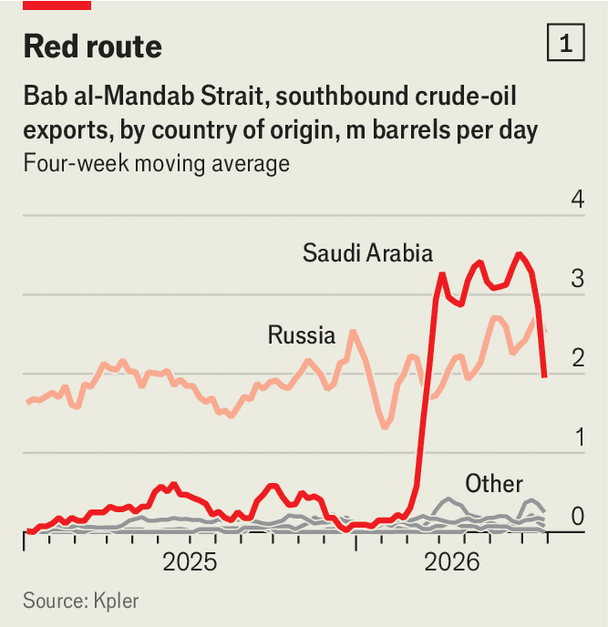
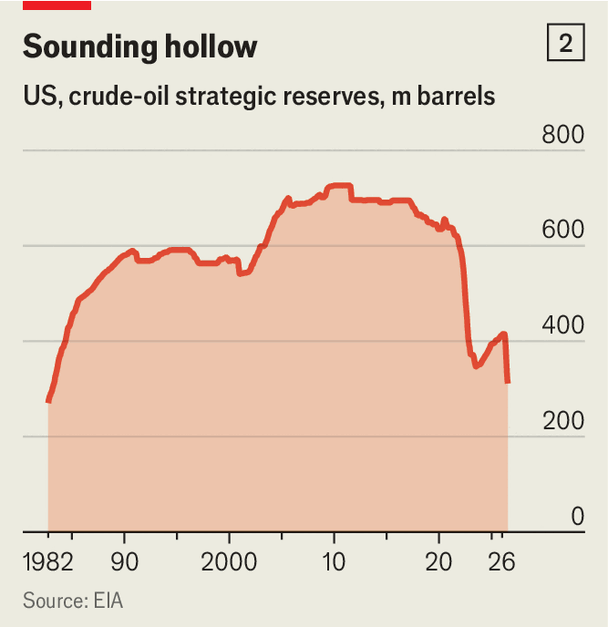
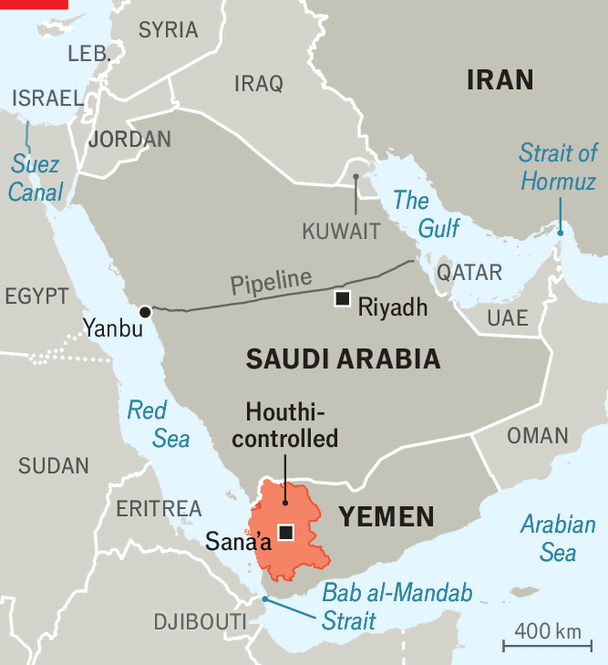
How big is the ongoing risk to the oil price? Five months of war have failed to propel(推动;驱使) Brent futures to, say, $150 a barrel. But today oil markets are more fragile than in March, for three reasons: the Hormuz problem has grown more intractable(棘手的;难处理的); new threats have emerged; and protective buffers have worn thin.
当前油价面临的风险有多大?五个月的战争未能将布伦特期货推高至每桶150美元。但如今的石油市场比三月份更加脆弱,原因有三:霍尔木兹问题变得更加棘手;新的威胁出现;保护性缓冲已经耗尽。