THE POTENTIAL of AI to slash(大幅削减) the cost of the state has left the British government giddy(兴奋的,眩晕的). Last year officials identified over 140 possible uses, from sifting(筛选,细查) diplomatic cables to culling(精简,剔除) call centres. Top civil servants were given a box of labour-saving(节省劳力的) tools, called “Humphrey(英国电视剧中的官僚角色)”. Peter Kyle, then technology secretary, foresaw a “£45bn jackpot(意外之财,大奖)” in annual savings ($61bn, as much as 7% of public-sector spending).
人工智能削减国家开支的潜力让英国政府兴奋不已。去年,官员们确定了140多种可能的用途,从筛选外交电报到精简呼叫中心。高级公务员获得了一套节省劳动力的工具,名为“汉弗莱”。时任科技大臣的彼得·凯尔预测,每年可节省“450亿英镑的意外之财”(约合610亿美元,相当于公共部门支出的7%)。
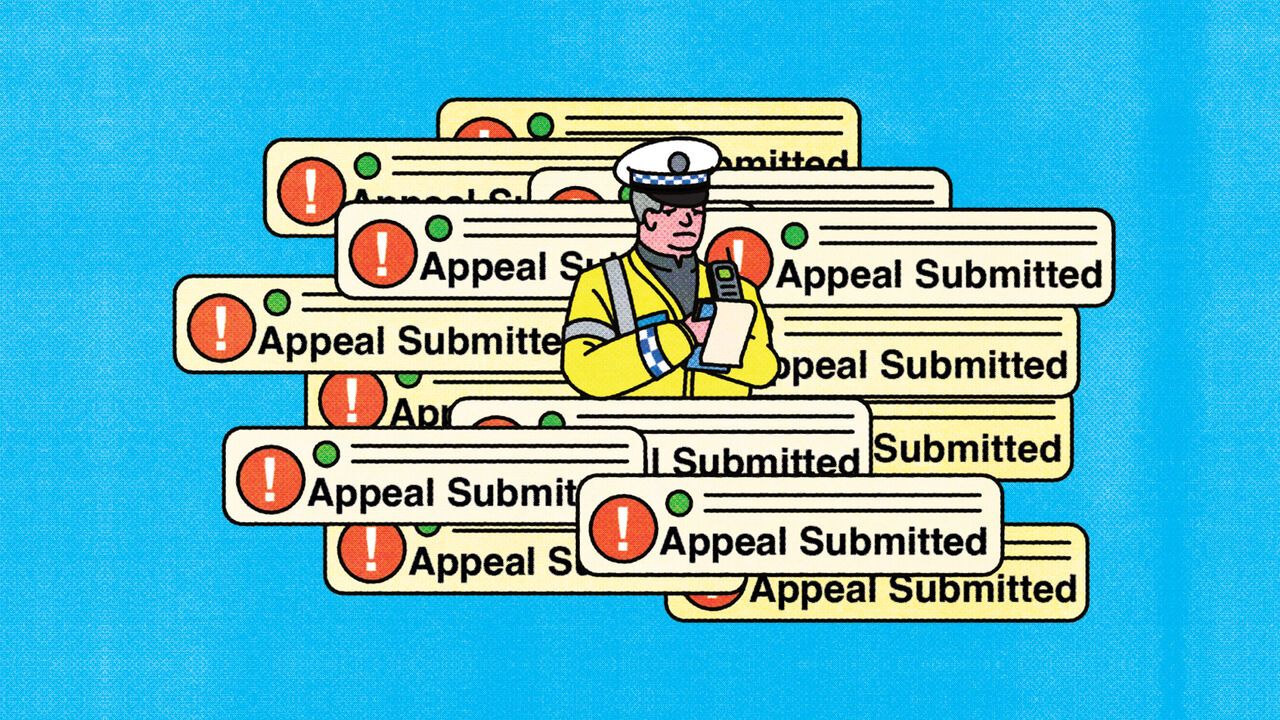
In reality, the savings may be more modest—or perhaps wiped out(彻底消除,消灭) entirely. That is not only because Whitehall may fail to live up to Mr Kyle’s heroic rhetoric.(这不仅是因为白厅可能辜负了凯尔先生的豪言壮语。) The bigger challenge is that the public are adopting(采用,采纳) AI tools rapidly too. They are using AI tools to handle their daily interactions with the state, and place growing demands on it. In effect(实际上,事实上), an AI arms race(军备竞赛) has begun between the state and citizens, and it is not clear that the state will win.
实际上,节省可能更为有限——甚至可能完全化为乌有。这不仅是因为白厅可能辜负了凯尔先生的豪言壮语。更大的挑战在于,公众也在迅速采用人工智能工具。他们正在使用人工智能工具处理与国家的日常互动,并对其提出越来越多的要求。实际上,一场人工智能军备竞赛已经在国家与公民之间展开,而国家能否获胜尚不明朗。
Take planning(以规划为例). Officials have developed tools to speed up(加速) housing approvals by giving an initial verdict(裁决,判断) on whether a plan is compliant with(符合,遵守) the law. Yet local authorities report a surge(激增) in AI-generated objections to proposed developments. They are often more effective: AI-aided submissions will cite planning codes and legal precedents chapter and verse(详尽地,精确地). For £45, Objector AI, a platform, will scan a wodge(大量,一叠) of planning documents, draw up(起草,拟定) the legal grounds for opposition and write a speech to read out at a public meeting.
以规划为例。官员们开发了工具,通过初步判断规划是否符合法律来加快住房审批。然而,地方当局报告称,针对拟议开发项目的AI生成反对意见激增。这些意见往往更有效:借助AI的提交材料会逐条引用规划法规和法律先例。只需45英镑,平台Objector AI就能扫描大量规划文件,起草反对的法律依据,并撰写一份在公开会议上宣读的演讲稿。