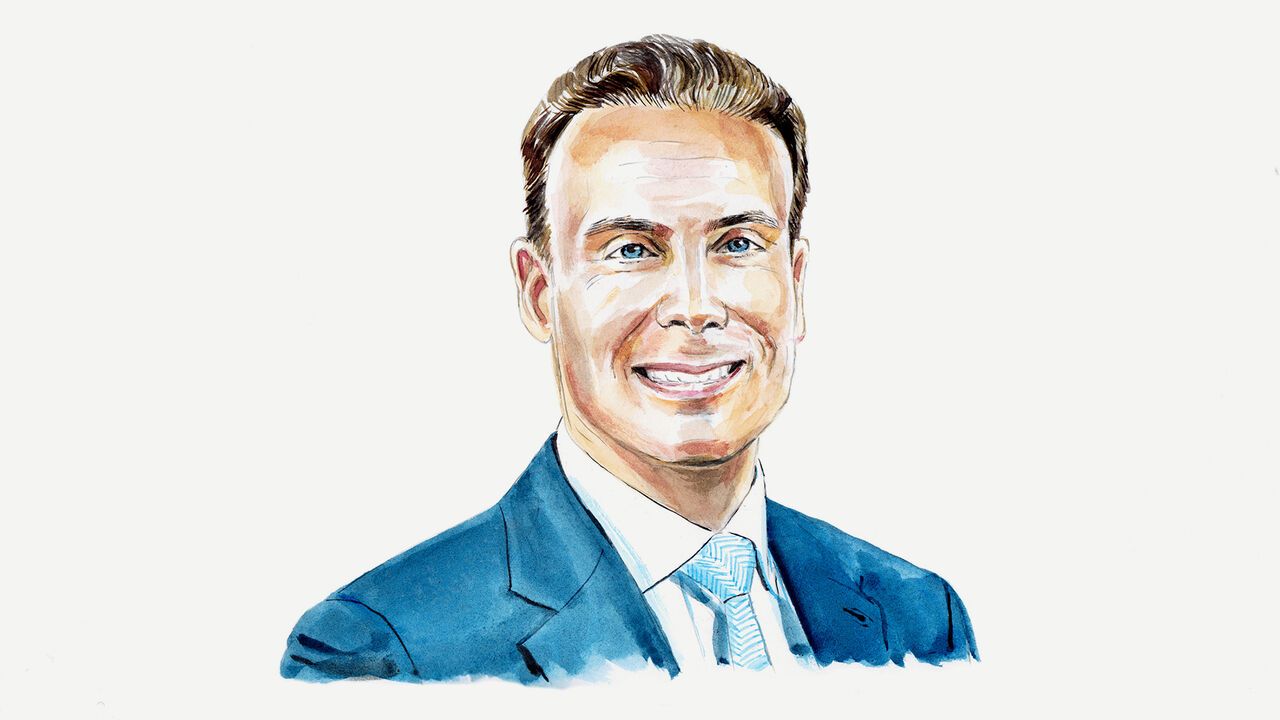
The GLOBAL derivatives(衍生品) market has entered a new era, and the United States is leading it. For decades, derivatives—financial contracts such as futures, options and swaps, whose value is based on the price or performance of an underlying asset—have served as a tool for businesses, farmers, investors and financial institutions to manage risk and allocate capital efficiently. What was once a niche financial tool now underpins(支撑,巩固) a market with over $1.2 quadrillion (million billion) in notional(名义的,概念上的) value. Nearly half of that market falls under the jurisdiction(管辖权,司法权) of the Commodity Futures Trading Commission (CFTC), which I have led since December.
全球衍生品市场已进入新时代,而美国正引领这一时代。几十年来,衍生品——即期货、期权和掉期等金融合约,其价值基于标的资产的价格或表现——一直是企业、农民、投资者和金融机构管理风险、高效配置资本的工具。曾经的小众金融工具如今支撑着一个名义价值超过1200万亿美元(即百万亿)的市场。该市场近一半处于商品期货交易委员会(CFTC)的管辖之下,而我自去年12月以来一直领导该机构。
American leadership in derivatives was built over generations through competitive markets, strong institutions, sound regulation and a willingness to embrace innovation. In many market segments, gone are the days(……的日子一去不复返) of traders shouting in pits in New York and Chicago, or even the screen-based trading of the 2000s. Derivatives markets have evolved into increasingly autonomous(自主的,自治的) ecosystems driven by automated trading, artificial intelligence, algorithmic execution and real-time decision-making, reacting to(对……作出反应) information thousands of times faster than any human could.
美国在衍生品领域的领导地位是几代人通过竞争性市场、强大的机构、健全的监管和拥抱创新的意愿建立起来的。在许多细分市场,交易员在纽约和芝加哥交易大厅喊价的日子,甚至21世纪初的屏幕交易时代,都已一去不复返。衍生品市场已演变成日益自主的生态系统,由自动化交易、人工智能、算法执行和实时决策驱动,对信息的反应速度比任何人类都快数千倍。
For many years, international financial regulation has operated under an assumption that regulatory priorities would emerge through broad consensus(共识,一致意见) among global institutions and regulators from different countries. Although international co-operation remains important, America is not in the business of importing regulatory trends designed by agencies that are considering yesterday’s markets built around limited trading hours, single exchanges and screen-based trading.(尽管国际合作仍然重要,但美国不会引进那些由考虑昨日市场的机构所设计的监管潮流。)
多年来,国际金融监管一直基于这样一种假设:监管优先事项将通过全球机构和各国监管机构之间的广泛共识产生。尽管国际合作仍然重要,但美国不会引进那些由考虑昨日市场的机构所设计的监管潮流,这些市场围绕有限的交易时间、单一交易所和屏幕交易而建。