The gulf states are caught in(陷入,被卷入) a mess of Donald Trump’s making(由特朗普造成的). After more than five months of war, the Strait of Hormuz is still mostly closed. A familiar pattern has emerged. When talks between America and Iran fail to yield progress, the two sides return to fighting; when bombs fail to break the deadlock, negotiations resume.(当美伊谈判未能取得进展时,双方重新开战;当炸弹无法打破僵局时,谈判又恢复。) In recent days Mr Trump has once again both talked up(吹捧,鼓吹) a deal on Hormuz and threatened to hit Iran “really hard”. He gave Iran “one last chance” to reopen the strait. Once again.
海湾国家陷入了唐纳德·特朗普制造的烂摊子。经过五个多月的战争,霍尔木兹海峡仍基本处于关闭状态。一种熟悉的模式已经出现:当美伊谈判未能取得进展时,双方重新开战;当炸弹无法打破僵局时,谈判又恢复。近日,特朗普先生再次既鼓吹就霍尔木兹海峡达成协议,又威胁要“狠狠地”打击伊朗。他给了伊朗“最后一次机会”重新开放海峡。又是如此。
Iran, however, still insists on near-total control of the waterway. Its exasperated(恼怒的,被激怒的) neighbours seem to hold out little hope(不抱什么希望) that it will soften its stance(立场,态度)—or be forced to do so. Even a new regime in Tehran, supposing one sprung up, may be unwilling to surrender(放弃,投降) its new prize.
然而,伊朗仍坚持对这条水道拥有近乎完全的控制权。其恼怒的邻国似乎对伊朗软化立场——或被逼软化立场——不抱什么希望。即使德黑兰出现新政权,假设如此,也可能不愿放弃其新获得的战利品。
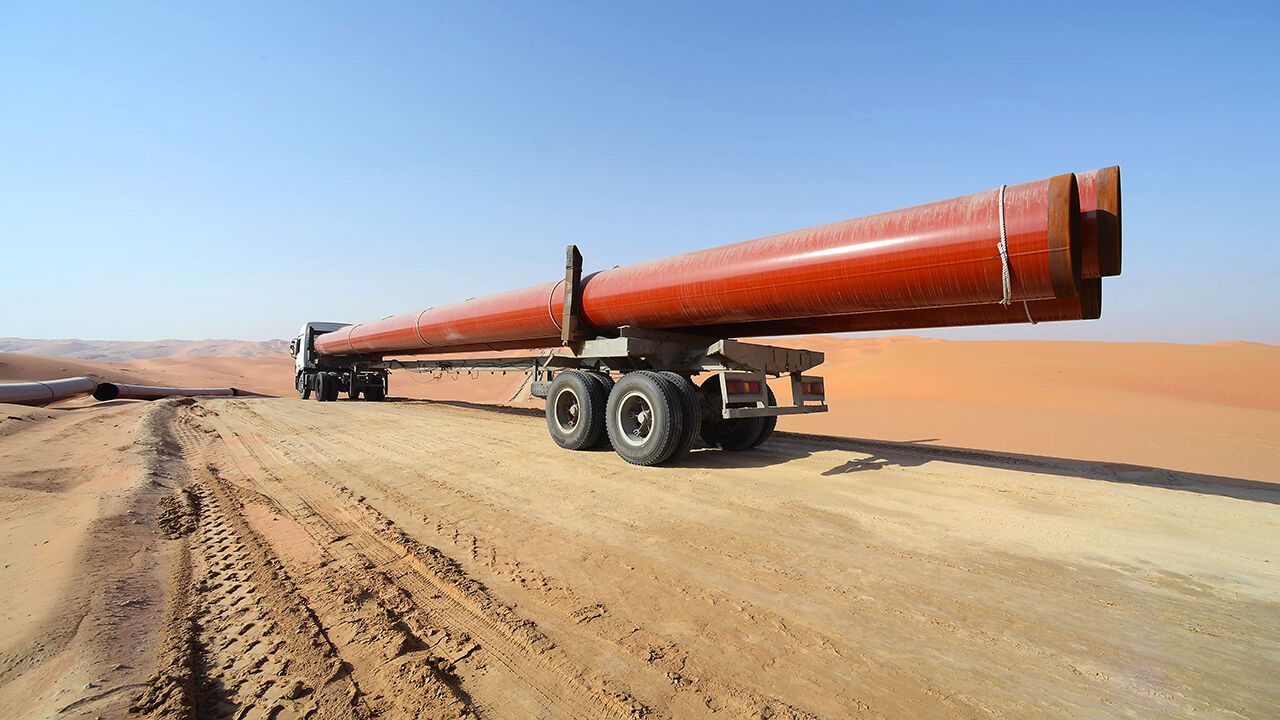
Instead, Gulf countries are racing to make the Strait of Hormuz obsolete(过时的,淘汰的). Saudi Arabia and the United Arab Emirates are both building or expanding oil pipelines to bypass(绕过,避开) the strait; Iraq plans to divert(转移,改道) its barrels north. American and Saudi investors are considering a giant refinery outside the strait. Such workaround(变通办法,替代方案)s will help. But, as our “Hormuz dependency dashboard” shows, this quest for resilience(韧性,恢复力) unfortunately has its limits(有其局限).
相反,海湾国家正竞相让霍尔木兹海峡变得过时。沙特阿拉伯和阿联酋都在建设或扩建绕过海峡的石油管道;伊拉克计划将其石油改道向北。美国和沙特投资者正在考虑在海峡外建一座大型炼油厂。这些变通办法会有所帮助。但是,正如我们的“霍尔木兹依赖度仪表盘”所示,这种对韧性的追求不幸有其局限。