Letters are welcome via email to letters@economist.com Find out more about how we process your letter
欢迎通过电子邮件发送信件至 letters@economist.com。了解更多关于我们如何处理您的来信的信息。
Policy consequences
政策后果
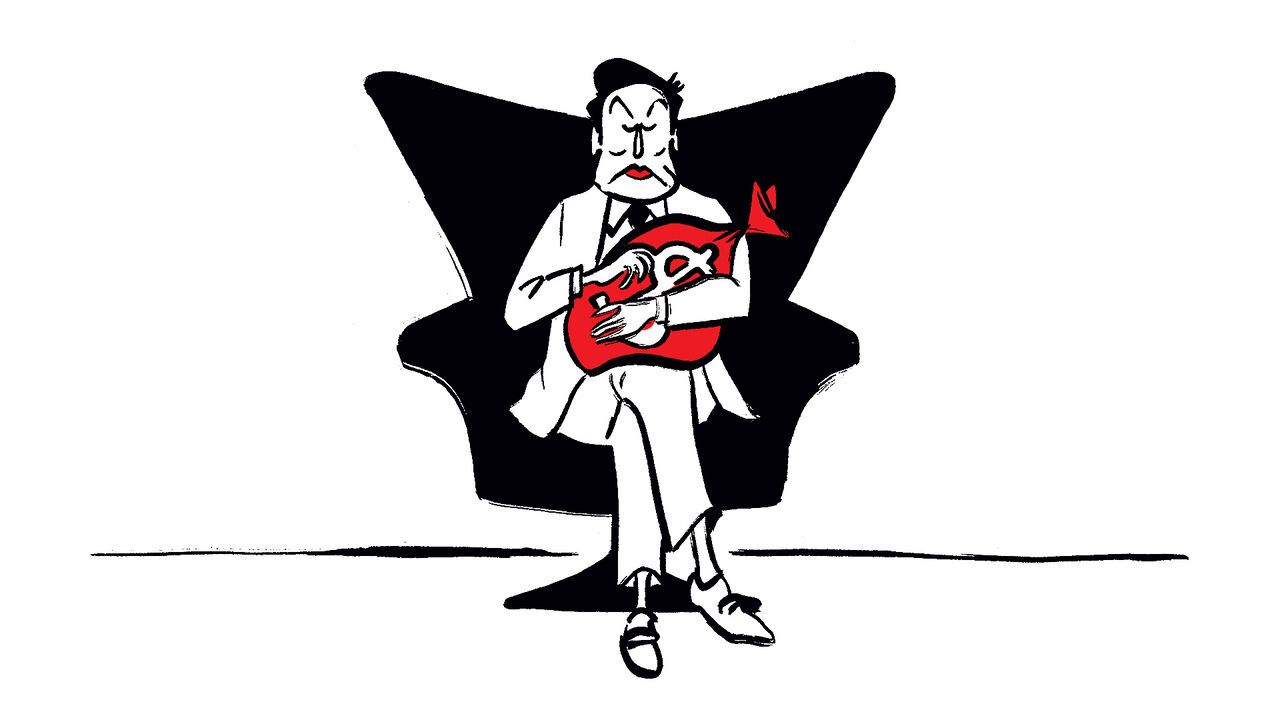
Elon Musk insisted(坚称,坚持说) that “zero” children had died in Africa because of the Trump administration’s cuts to USAID (The Insider interview, July 23rd). Mr Musk argued that other organisations could have stepped in(介入,插手). “They are capable of acting very quickly,” he said, “and if they didn’t, I would say they’re equally responsible.”(“他们有能力迅速行动,”他说,“如果他们不这样做,我会说他们同样负有责任。”)
埃隆·马斯克坚称,由于特朗普政府削减美国国际开发署(USAID)的援助,非洲没有儿童因此死亡(《内部人士》采访,7月23日)。马斯克先生辩称,其他组织本可以介入。“他们有能力迅速采取行动,”他说,“如果他们不这样做,我会说他们同样负有责任。”
The effects of the cuts were in fact visible(可见的,明显的) on the ground(在现场,在实际情况下), but also large enough to see from space. Researchers tracked(追踪,跟踪) satellite night-time lights around 1,374 former USAID project sites in 50 African countries. The places that had depended most on that money dimmed(变暗,变暗淡) relative to(相对于,与…相比) the rest, and the share(份额,比例) of people living in food crises rose.
削减的影响实际上在地面上可见,而且大到足以从太空看到。研究人员追踪了50个非洲国家中1,374个前美国国际开发署项目地点周围的卫星夜间灯光。那些最依赖这笔资金的地方相对于其他地方变暗了,生活在粮食危机中的人口比例上升了。
Household income by sex
按性别划分的家庭收入
Africa’s expanding cities
非洲扩张中的城市
A forgotten heroine
一位被遗忘的女英雄
Down the old rub-a-dub
在老酒吧里
Vox populi
人民之声
Blessed are the false positives
误报有福了