“IT’S A HIVE of activity,” says Alistair Campbell, observing the scene at his blueberry farm 40km outside Harare, the capital of Zimbabwe. Hundreds of workers pick the fruit from the bushes, before carrying the bounty(丰收的果实;慷慨的赠予) to a cold-storage facility. After sorting, the berries are flown to east Asia, where demand is high for the largest globules(小球体;小滴), or shipped to Europe. “We’re flat out(全力以赴;忙得不可开交),” says Mr Campbell, who used to captain Zimbabwe’s cricket team. “We could sell our crop five or six times over.”(“我们的收成可以卖出五六倍。”)
“这里一片繁忙景象,”阿利斯泰尔·坎贝尔看着他在津巴布韦首都哈拉雷外40公里处的蓝莓农场说道。数百名工人从灌木丛中采摘果实,然后将丰收的果实运往冷藏设施。分拣后,这些浆果被空运到东亚——那里对最大颗粒的需求很高——或海运到欧洲。“我们忙得不可开交,”曾担任津巴布韦板球队队长的坎贝尔先生说,“我们的收成可以卖出五六倍。”
For once(这一次;难得一次) the colour associated with a boom in Zimbabwe is blue, not gold. This year Zimbabwean growers expect to export 12,000 tonnes of blueberries, 40 times more than in 2017. “Every man and his dog(每个人;人人) is planting blueberries,” says one of the country’s most prominent(杰出的;重要的) bankers.
这一次,与津巴布韦繁荣相关的颜色是蓝色,而不是金色。今年,津巴布韦种植者预计将出口1.2万吨蓝莓,是2017年的40倍。“每个人都在种蓝莓,”该国最著名的银行家之一说。
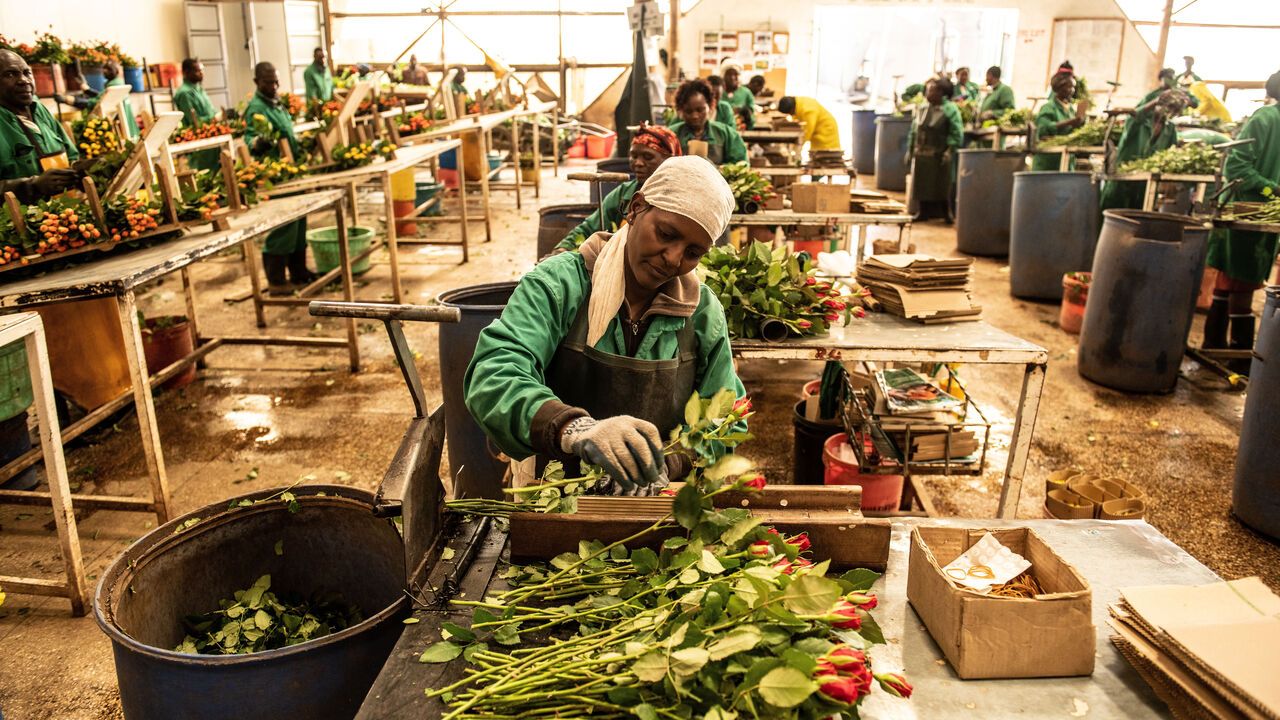
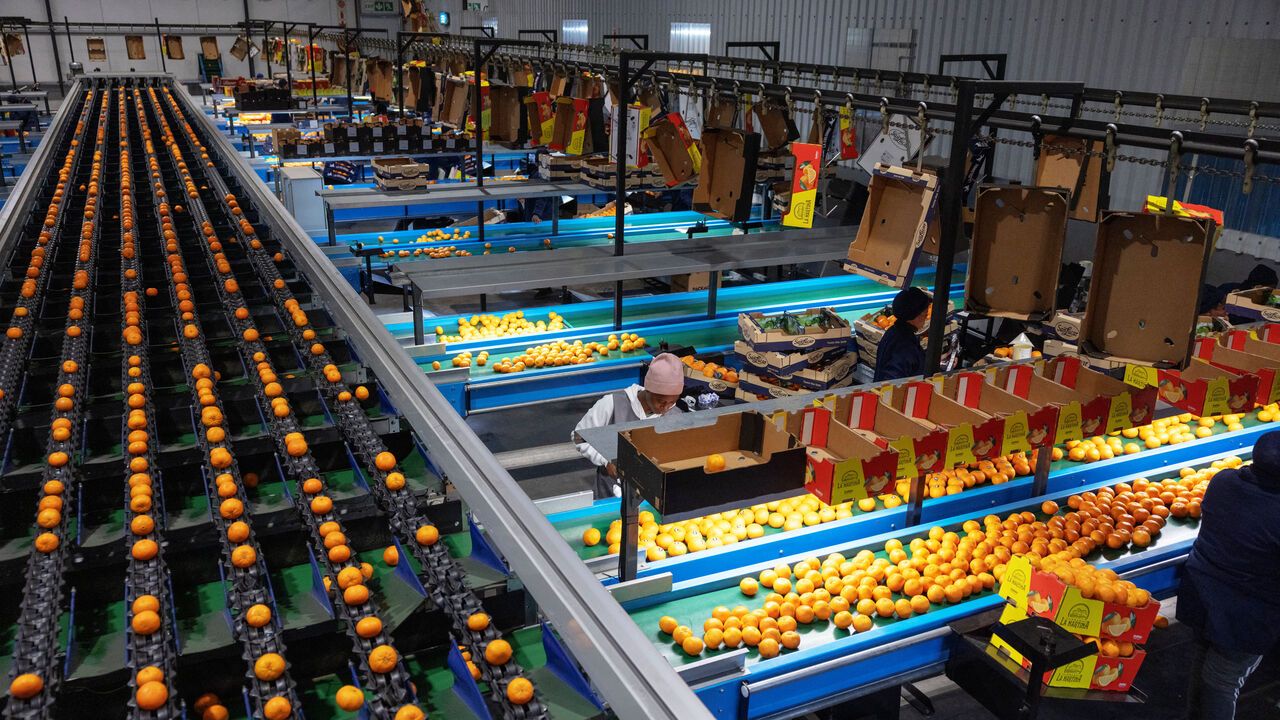
The tiny fruit contains a bigger lesson. Manufacturing has struggled(艰难挣扎;努力奋斗) in sub-Saharan Africa: its share of output has been more or less(或多或少;基本上) flat for 15 years. That worries analysts who think African growth depends on Asian-style, export-oriented(出口导向型的) factories. Yet high-tech farms are in effect(实际上;事实上) mini-factories, labour-intensive(劳动密集型的) and linked to global supply chains. This “industrialisation of freshness”, in the words of Christopher Cramer, an academic, could be a boon for Africa—and force a rethink of what is meant by farming and manufacturing.(用学者克里斯托弗·克雷默的话说,这种“新鲜产业的工业化”可能成为非洲的福音,并促使人们重新思考农业和制造业的含义。)
这种小果实蕴含着更大的教训。制造业在撒哈拉以南非洲一直举步维艰:其产出份额15年来基本持平。这令那些认为非洲增长依赖于亚洲式出口导向型工厂的分析人士感到担忧。然而,高科技农场实际上是迷你工厂,劳动密集且与全球供应链相连。用学者克里斯托弗·克雷默的话说,这种“新鲜产业的工业化”可能成为非洲的福音,并促使人们重新思考农业和制造业的含义。