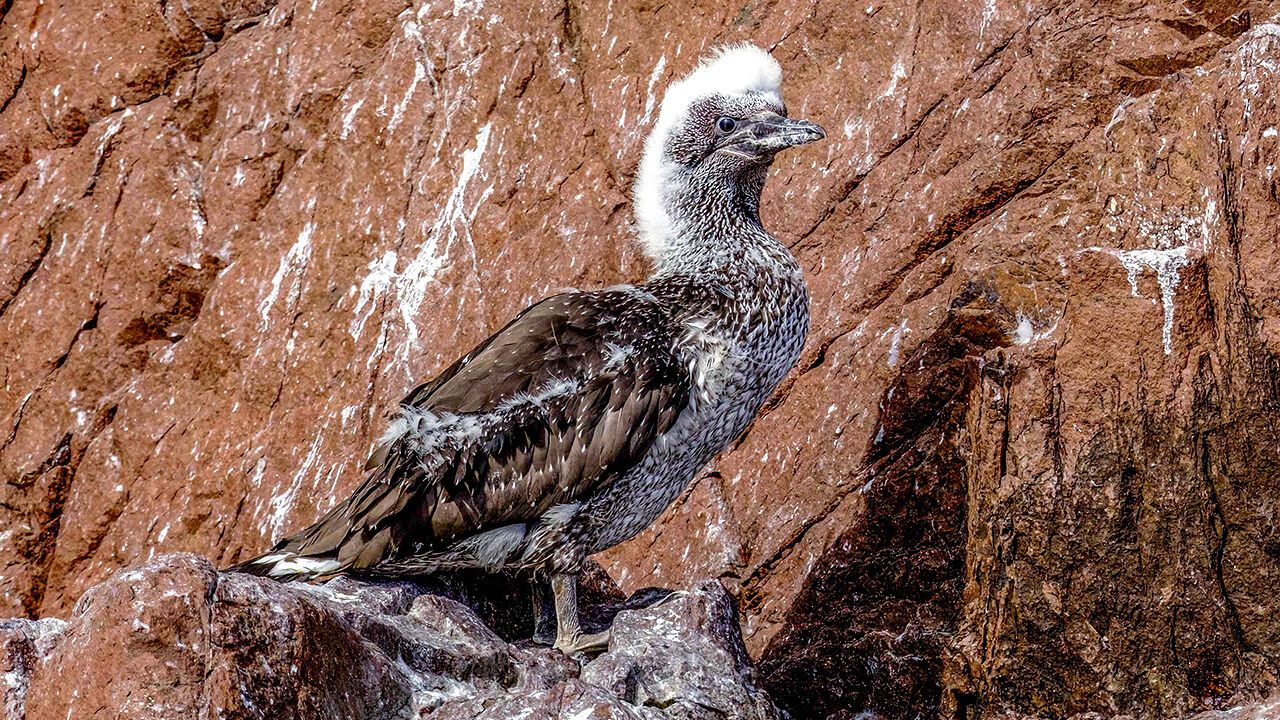
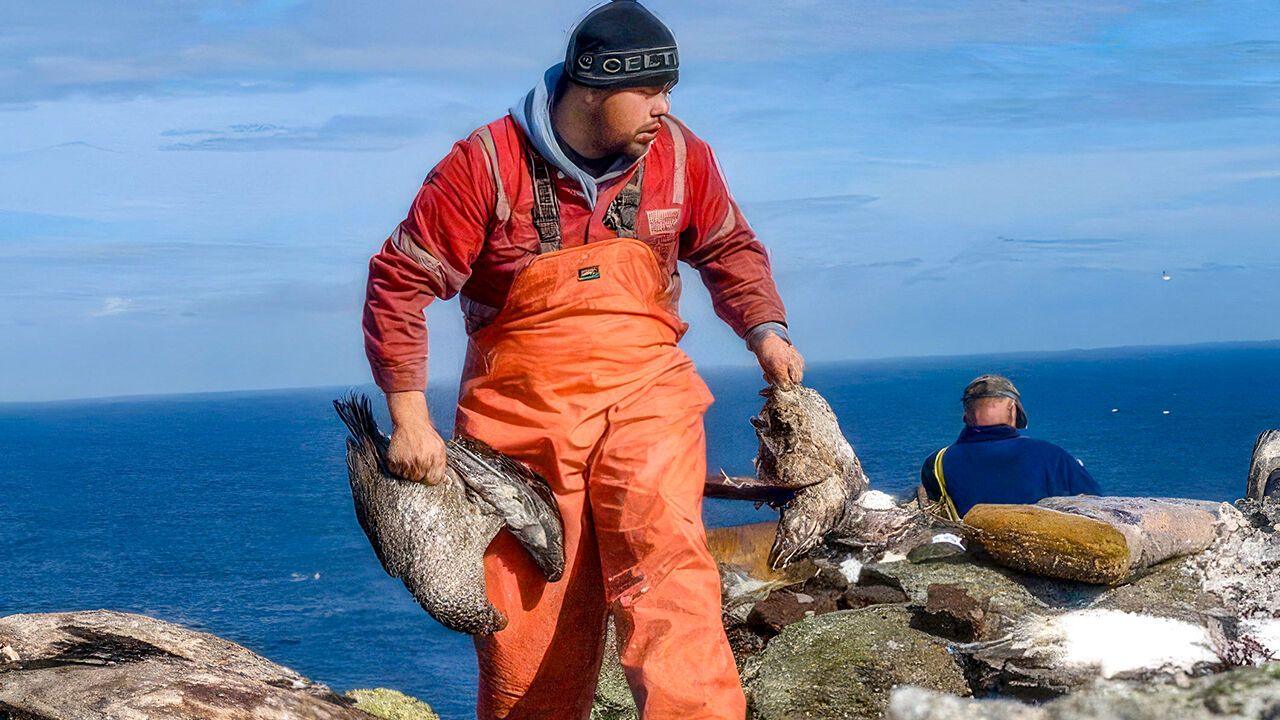
Almost every summer since 1549, a group of men from the Isle of Lewis has sailed to an uninhabited islet(小岛) in the North Atlantic to hunt baby birds. The gugas (Gaelic for gannet chicks) were slain(杀死(slay的过去分词)) with a club before being gutted, salted and preserved in brine(用盐水腌制保存) to be eaten year-round as a local delicacy(美味佳肴).
自1549年以来,几乎每年夏天,一群来自刘易斯岛的男子都会乘船前往北大西洋的一个无人小岛猎杀雏鸟。这些gugas(盖尔语中意为塘鹅雏鸟)被棍棒打死,然后去内脏、加盐并用盐水腌制,以便全年作为当地美食食用。
Yet this year's hunt won’t go ahead(进行,发生). The Scottish National Party’s natural-heritage body refused to grant(授予,批准) it permission. NatureScot cited a study showing that the hunt could dramatically(显著地,剧烈地) harm the islet’s population of gannets. Opponents, including the local Labour MP, say the outcome was “reverse engineered(逆向工程,反向设计)” to appease(安抚,绥靖) animal-rights activists.
然而,今年的狩猎将不会进行。苏格兰民族党的自然遗产机构拒绝批准。NatureScot引用了一项研究,表明狩猎可能严重损害该小岛上的塘鹅种群。反对者,包括当地工党议员,称这一结果是“逆向工程”出来的,目的是安抚动物权利活动人士。
The move exposes(揭露,暴露) a divide within Scottish nationalism. It wants to protect cultural heritage from the British state, but it also seeks to dismantle(拆除,废除) bits—like the guga hunt—that are out of touch with(与……脱节) its progressive(进步的,先进的) sensibility.
此举暴露了苏格兰民族主义内部的分歧。它希望保护文化遗产免受英国国家的影响,但也寻求废除那些与其进步情感脱节的部分——比如guga狩猎。