Andy Burnham’s pronouncement(声明,公告) in July at a train factory in Derby sounded like good common sense: “AI might be able to write an essay, draft a contract or make a slide deck,” the prime minister said. “But it can’t make a train.” Yet it hides dodgy(可疑的,靠不住的) assumptions. The first is that AI, paired with robotics, may well make trains one day. And Britain is not very good at making them now. The Derby factory is a case in point: its flagship £1bn ($1.4bn) order for trains to serve England’s South West was a study in incompetence, running over four years late.(德比工厂就是一个典型例子:其为英格兰西南部服务的旗舰订单价值10亿英镑,却成了无能的典型,延误超过四年。) The plant limps on(勉强维持,蹒跚前行) only because the state insists on building in Britain.
安迪·伯纳姆七月在德比一家火车工厂的讲话听起来像是明智的常识:“人工智能或许能写文章、起草合同或制作幻灯片,”这位首相说,“但它造不出火车。”然而,这掩盖了可疑的假设。首先,人工智能与机器人技术结合,有朝一日很可能造出火车。而英国现在并不擅长造火车。德比工厂就是一个例证:其为英格兰西南部服务的旗舰订单价值10亿英镑(14亿美元),却成了无能的典型,延误超过四年。这家工厂之所以勉强维持,只是因为国家坚持在英国本土制造。
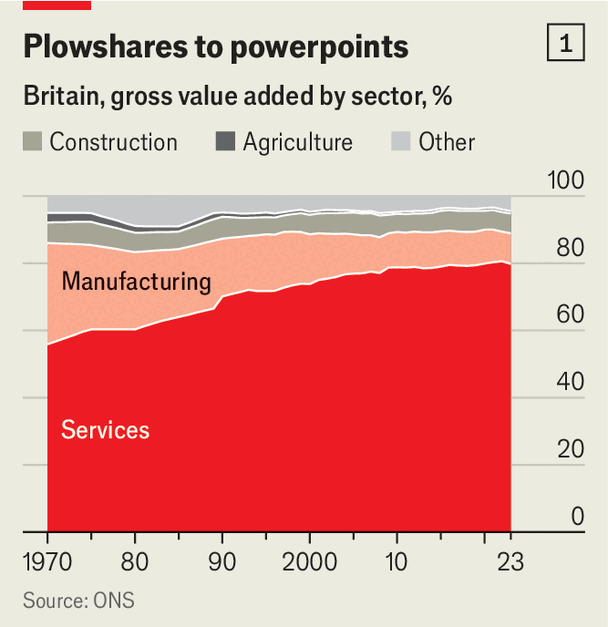
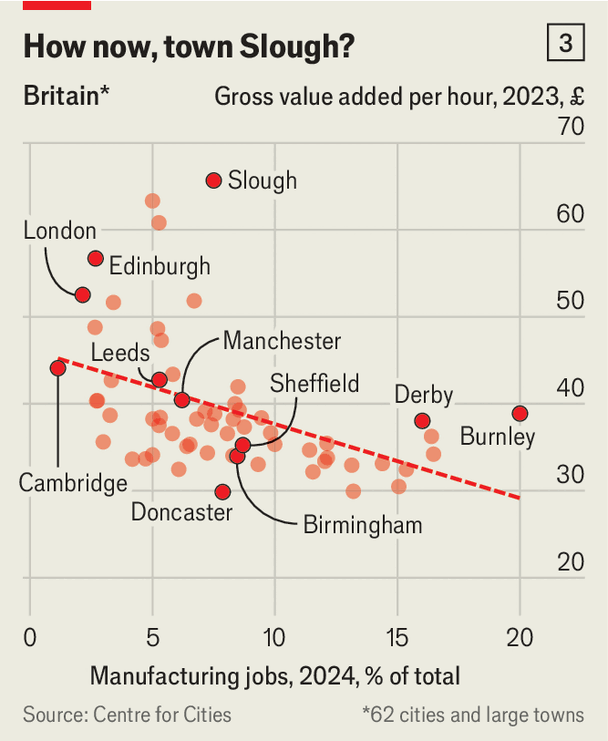
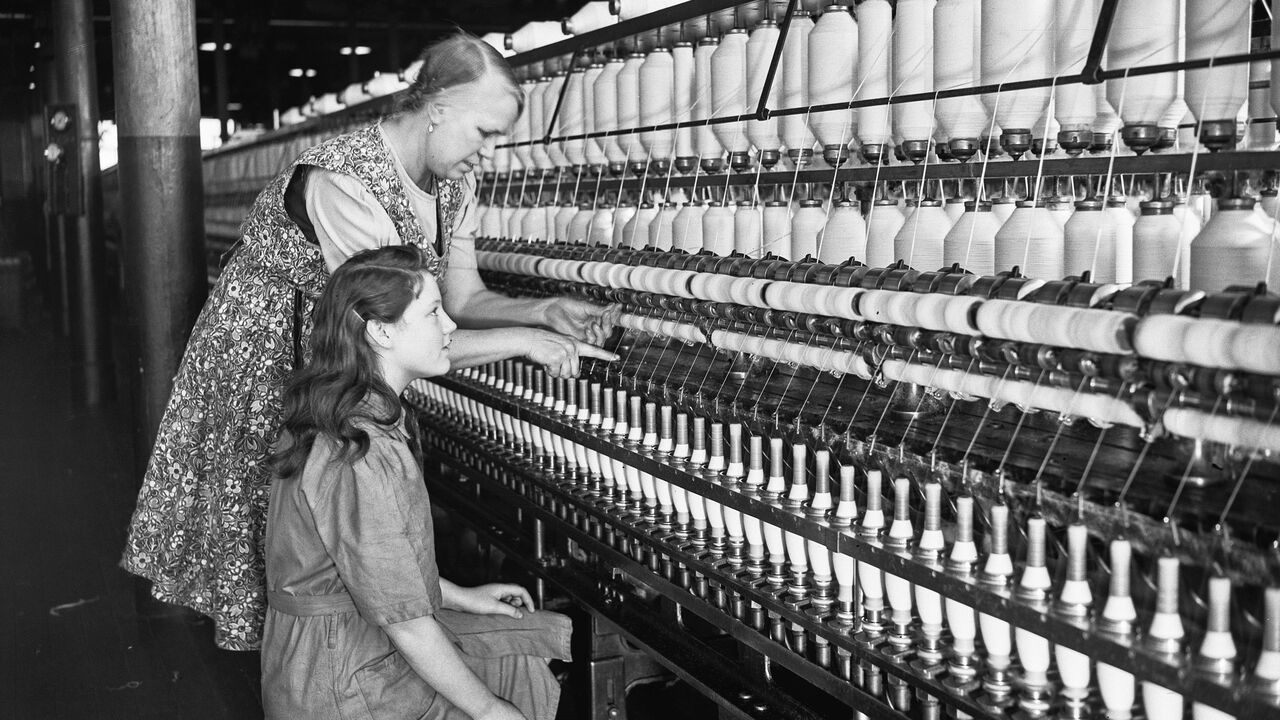
For industrial nostalgists(怀旧者) like Mr Burnham, the decline of British manufacturing has been hard to watch (see chart 1). In 2025 manufacturing made up(占据,构成) only 8% of the economy’s output, down from 17% in 1990. This is the lowest share in the G7 group of large rich countries (Germany’s is 18%). Whereas manufacturing employed 25% of the British workforce in 1979, it now employs only 7%. The job losses were painful—the work was skilled and well-paid in areas with few other opportunities. “The Full Monty(《一脱到底》,1997年英国电影)”, a 1997 film in which former steelworkers in Sheffield turn to stripping in order to make money, captures the anguish(极度痛苦,苦恼) well.
对于像伯纳姆这样的工业怀旧者来说,英国制造业的衰落令人难以直视(见图表1)。2025年,制造业仅占经济产出的8%,低于1990年的17%。这是七国集团(G7)大型富裕国家中最低的份额(德国为18%)。1979年,制造业雇用了英国劳动力的25%,而现在仅占7%。失业是痛苦的——这些工作在缺乏其他机会的地区是技术性强且报酬优厚的。“《一脱到底》”是一部1997年的电影,片中谢菲尔德的钢铁工人为了赚钱而转行跳脱衣舞,很好地捕捉了这种痛苦。
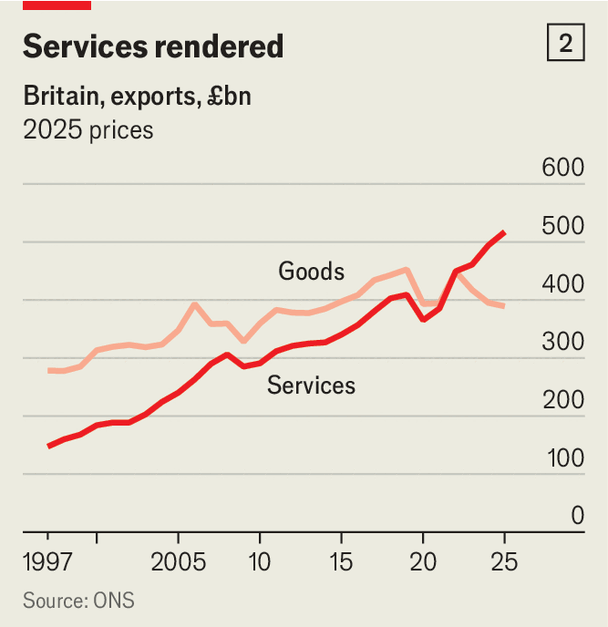
Politicians from across the spectrum(范围,光谱) want to wind back the clock(让时光倒流). Nigel Farage, the populist-right(民粹主义右翼) leader of Reform UK, has called for Britain to “produce all the stuff we need” domestically. He is particularly exercised(担忧的,烦恼的) by steel, an industry that is as totemic(象征性的,图腾般的) as it is unprofitable. Mr Burnham has called for Britain’s “reindustrialisation”. Some optimistically read this as(将此解读为) a desire to strengthen all Britain’s exporting sectors, services included. Yet his wider rhetoric(言论,花言巧语), whether about trains or the need to safeguard “sovereign manufacturing(主权制造业)”, suggests a man mostly focused on machines.
各派政客都希望时光倒流。改革英国党(Reform UK)的民粹主义右翼领袖奈杰尔·法拉奇呼吁英国在国内“生产我们需要的一切”。他尤其对钢铁行业感到不满,这个行业既具有象征意义,又不盈利。伯纳姆呼吁英国“再工业化”。一些人乐观地认为,这是希望加强英国所有出口部门,包括服务业。然而,他更广泛的言论,无论是关于火车还是保护“主权制造业”的必要性,都表明他主要关注机器。