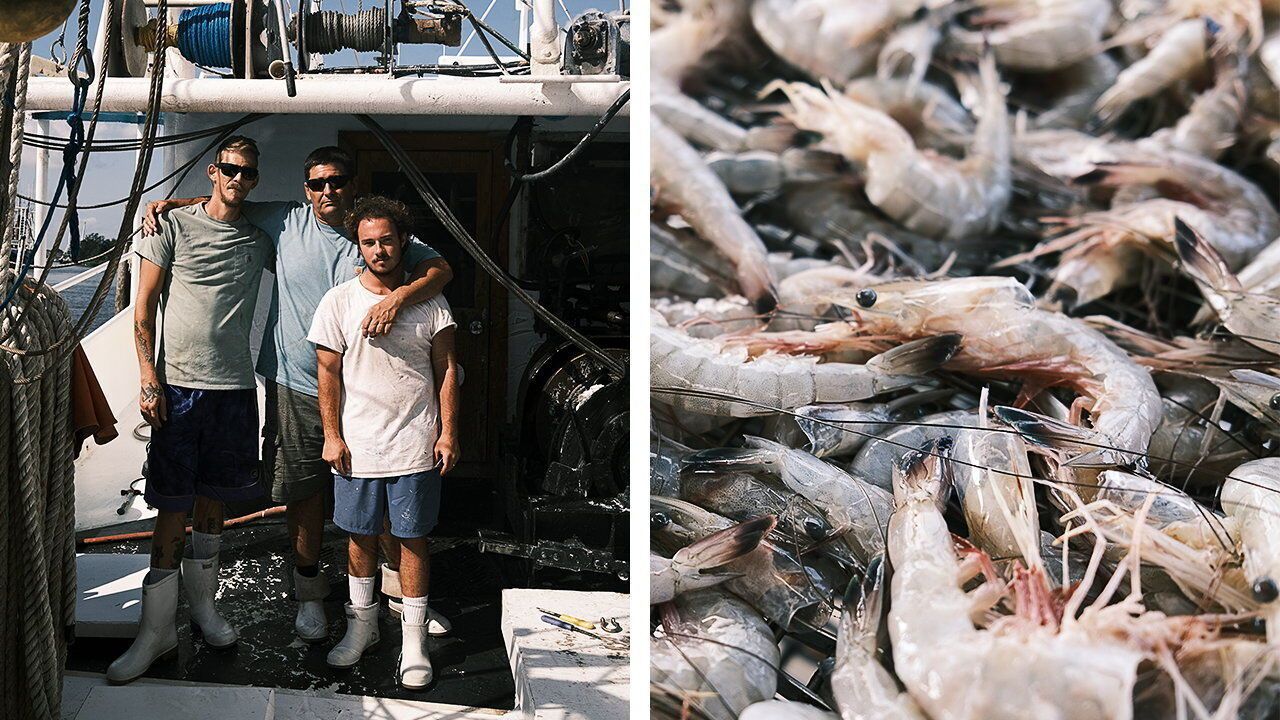
“WE SHOULD BE excited, but we’re not because we got a boatload of shrimp and it’s worth no money,” says Waylon Buras, watching his men unload a 40,000-pound haul onto the docks of the Louisiana bayou.(“我们应该兴奋,但我们没有,因为我们捕了一船虾却一文不值,”韦伦·布拉斯看着工人卸货时说。) The fisherman had just returned home after 13 days at sea, the longest trip of his career. Lifting a fistful(一把(的量)) of iridescent(彩虹色的,闪光的) shrimp to the sun, he notes with frustration how perfect they are: “They look like glass.” In May a pound sold for $2.00, but today he will get just $1.80.
“我们应该感到兴奋,但我们没有,因为我们捕了一船虾,却一文不值,”韦伦·布拉斯(Waylon Buras)看着他的工人们将4万磅的渔获卸到路易斯安那州河口码头上时说。这位渔民在海上待了13天后刚刚回家,这是他职业生涯中最长的一次航行。他抓起一把闪着虹彩的虾举到阳光下,沮丧地注意到它们多么完美:“它们看起来像玻璃。”五月份一磅虾还能卖2美元,但今天他只能得到1.80美元。
Cheap shrimp from abroad keep driving down prices, while high fuel costs wipe away(消除,抹去) any remaining profit. He wants the government to do more. “They can either subsidise us at the end of the year or they need to put a hold on the imports so we can catch our breath,” he says.(“他们要么在年底补贴我们,要么需要暂停进口,让我们喘口气,”他说。) “We’re almost drowning(溺水,淹没).”
来自国外的廉价虾不断压低价格,而高昂的燃料成本则吞噬了剩余利润。他希望政府采取更多措施。“他们要么在年底给我们补贴,要么就需要暂停进口,让我们喘口气,”他说。“我们快淹死了。”
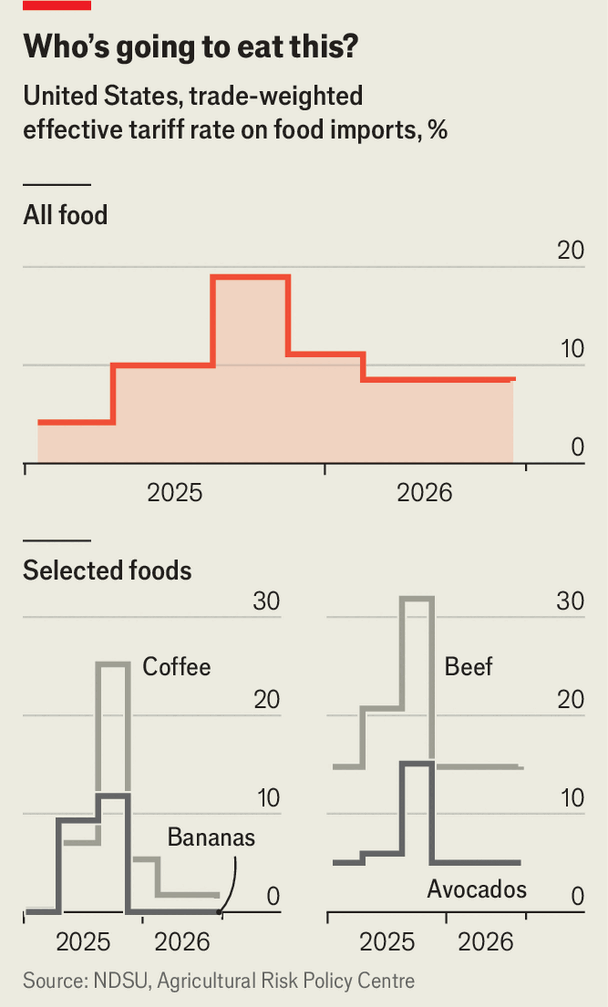
Gulf-coast shrimpers from Alabama to Texas are the latest group hoping to benefit from Donald Trump’s tariffs. Last year taxes on imported food more than quadrupled(翻了两番,变为四倍). Mr Trump has not stopped imports of shrimp, but in July his trade representative announced duties(关税) of at least 10% on a broad swathe of(广泛的,大范围的) goods, including shrimp from countries such as Vietnam and Indonesia. The problem for shrimpers, as for some other American industries, is that tariffs may not be enough to save them, and may in the meantime raise costs for everyone else.(虾农面临的问题,与其他一些美国产业一样,是关税可能不足以拯救他们,同时可能提高其他所有人的成本。)
从阿拉巴马州到得克萨斯州的墨西哥湾沿岸虾农,是希望从唐纳德·特朗普的关税中受益的最新群体。去年,进口食品的税收增加了两倍多。特朗普先生没有停止虾的进口,但在7月,他的贸易代表宣布对包括来自越南和印度尼西亚等国的虾在内的广泛商品征收至少10%的关税。虾农面临的问题,与其他一些美国产业一样,是关税可能不足以拯救他们,同时可能提高其他所有人的成本。
Cajun moon
卡津月亮