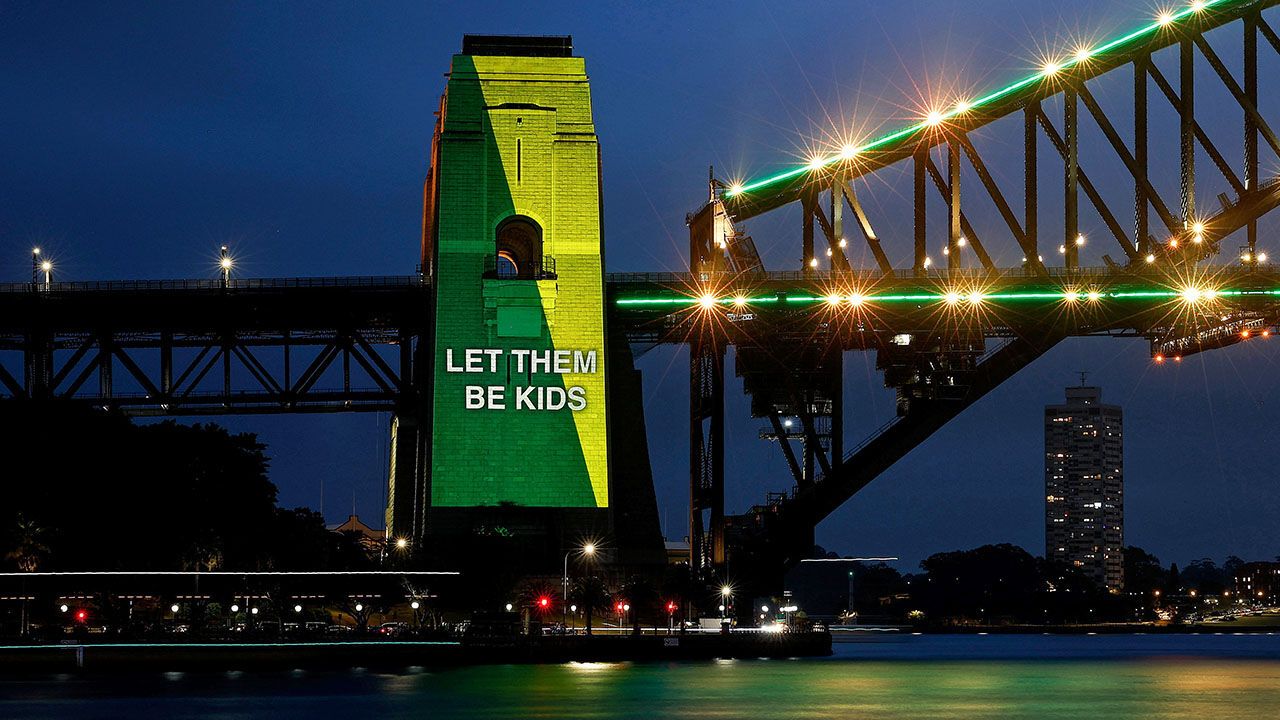
IT SEEMED A parent’s dream. To manage the time her 14-year-old son spent online, Harini Naidu had tried various tactics(策略,战术): from restricting Wi-Fi access to turning the internet off at night. So she was excited when Australia became the first country in the world to ban social-media accounts for under-16s. But the rules, imposed(强制实施,强加) in December, “literally did nothing(实际上毫无作用)”. Her son lost his YouTube account, but can still watch videos without logging in. Ms Naidu’s daughter Ishana was 15, but has kept her accounts on X, Instagram, Snapchat and TikTok. Ishana says: “It’s so underwhelming(令人失望的,平淡无奇的) that people have forgotten there’s a ban.” They do not even have to hide behind(躲在……后面,用……作掩护) virtual private networks.
这看似是家长的梦想。为了管理14岁儿子上网的时间,哈里尼·奈杜尝试了各种办法:从限制Wi-Fi接入到夜间关闭网络。因此,当澳大利亚成为世界上第一个禁止16岁以下未成年人拥有社交媒体账号的国家时,她非常兴奋。但去年12月实施的这些规定“实际上毫无作用”。她的儿子失去了YouTube账号,但仍可在不登录的情况下观看视频。奈杜女士的女儿伊莎娜当时15岁,却保留了她X、Instagram、Snapchat和TikTok上的账号。伊莎娜说:“太令人失望了,人们都忘了还有禁令。”他们甚至不必躲在虚拟专用网络后面。
The experiences of teens like Ishana matter to other countries, too. Since Australia brought in(引入,实施) its curbs(限制,约束), dozens have done the same, or are considering it. On August 24th New Zealand announced a planned ban. Policymakers worry that social media cause various harms(伤害,损害) to the young. They also know that bans are popular with adults. Many cheered on(为……欢呼,鼓励) August 26th when Meta agreed to change its products for under-18s in most American states, including a two-hours-per-day limit on their scrolling, after settling a lawsuit alleging(指控,声称) its platforms harm youngsters.
像伊莎娜这样的青少年的经历对其他国家也很重要。自从澳大利亚实施限制以来,已有数十个国家效仿或正在考虑效仿。8月24日,新西兰宣布计划实施禁令。政策制定者担心社交媒体对年轻人造成各种伤害。他们也清楚禁令在成年人中很受欢迎。8月26日,当Meta同意在美国大多数州改变面向18岁以下用户的产品,包括将每日滚动浏览时间限制在两小时以内,以了结一桩指控其平台伤害年轻人的诉讼时,许多人欢呼雀跃。
Yet so far, Australia’s policy has proved largely ineffective. At first the government was able to tout(吹嘘,兜售) some successes. Social-media platforms had removed, restricted or deactivated almost 5m accounts in the first month. And it may be too early to write off(认为……失败,放弃) the effectiveness of Australia’s new rules. But studies have shown they have so far had minimal(极小的,最低的) impact on usage. One in the British Medical Journal in June found that, three months after restrictions were introduced, 85% of under-16s said they still used banned platforms. Twelve- and 13-year-olds spent the same amount of time on social media as before the ban. Worries that children migrate(迁移,转移) to alternative platforms, with lower safety standards, were mostly unfounded(没有根据的,无端的)—but largely because so many remain on existing ones.
然而到目前为止,澳大利亚的政策在很大程度上已被证明无效。起初,政府还能吹嘘一些成功。社交媒体平台在第一个月内就删除、限制或停用了近500万个账号。现在说澳大利亚新规完全无效可能还为时过早。但研究表明,这些规定迄今对使用量的影响微乎其微。6月发表在《英国医学杂志》上的一项研究发现,在限制实施三个月后,85%的16岁以下青少年表示他们仍在使用被禁平台。12岁和13岁的孩子花在社交媒体上的时间与禁令前相同。担心孩子们会转向安全标准较低的替代平台的担忧大多没有根据——但这主要是因为仍有太多人留在现有平台上。